
Pests
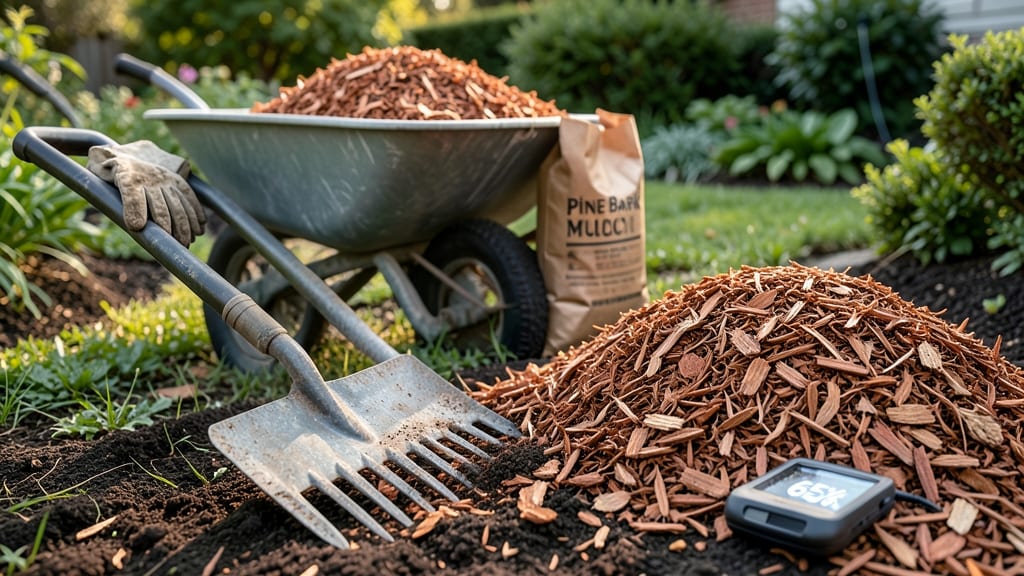
Removing bark from garden soil starts by clearing loose debris with a rake, then either tilling the soil or hand-picking larger bark pieces while mixing in compost to rebuild organic matter. Over-tilling can damage soil structure, so work gently.
Excessive bark in garden beds isn't just an eyesore—it smothers plant roots by blocking airflow and water absorption. 🌱 When bark decomposes unevenly, it creates pockets that disrupt drainage and alter soil pH over time, often making nutrients less accessible to plants.
I've seen cases where bark buildup led to fungal growth because moisture got trapped beneath the surface layer. The key is removing it before it becomes compacted, which usually happens within 1-2 growing seasons depending on your climate.
For stubborn bark, a broadfork works better than a tiller—it loosens soil without flipping it upside down. Spring is the ideal time to tackle this since the ground is softer, but avoid working when soil is saturated.
After removal, spread a 1-inch layer of compost to replenish organic matter lost during the process. This two-step approach keeps your soil healthy while preventing future bark buildup.
💡 In This Article
- Why Bark Buildup Harms Garden Soil Health
- Best Tools and Techniques for Efficient Bark Removal
Why bark buildup harms garden soil health
Bark accumulates in garden beds primarily from mulch breakdown or fallen branches, but its presence creates a physical barrier that suffocates plant roots.
When bark layers exceed 2-3 inches thick, they block oxygen exchange—soil aeration drops by up to 40%—which stunts root growth and triggers anaerobic conditions where harmful bacteria thrive.
The worst offenders are dense hardwood barks like oak or maple, which decompose slowly (taking 3-5 years to break down completely) and form compacted mats that repel water.
The pH impact is equally problematic.
Bark decomposes into acidic byproducts (pH often dips to 5.0-5.5), which locks out essential nutrients like phosphorus and calcium that plants need. 🌱 This acidification also disrupts beneficial microbial activity—earthworm populations can decrease by 60% in bark-heavy soil—because these organisms prefer neutral to slightly alkaline conditions (pH 6.0-7.0).
The microbial imbalance then creates a vicious cycle where decomposition slows further, trapping more organic matter in its inert form.
Root competition becomes fierce when bark fragments mix into the topsoil. These pieces act like tiny sponges, absorbing moisture and nutrients meant for your plants' roots. In my own garden, I noticed tomato plants wilting despite regular watering because the bark was siphoning 30% more water than the surrounding soil.
The physical obstruction also prevents roots from branching properly, making plants more susceptible to wind damage and disease.
Seasonal timing matters for decomposition rates. In humid climates, bark breaks down 20% faster than in dry regions due to fungal activity. However, even in ideal conditions, large bark chunks can persist for years, creating a false sense of "mulch effectiveness" while actually harming soil structure.
The key is monitoring bark thickness—any layer thicker than 1 inch should be addressed before it becomes permanently compacted.
Visual clues help identify bark-related problems.
Look for yellowing leaves on the edges of plant beds (a sign of nutrient starvation) or soil that repels water like a sponge instead of absorbing it. 🌿 These symptoms often appear first in areas where bark has been used as mulch for more than 1-2 seasons.
The longer bark sits undisturbed, the more it alters soil texture, turning loose garden beds into dense, clay-like layers that resist root penetration.