
Pests and Diseases
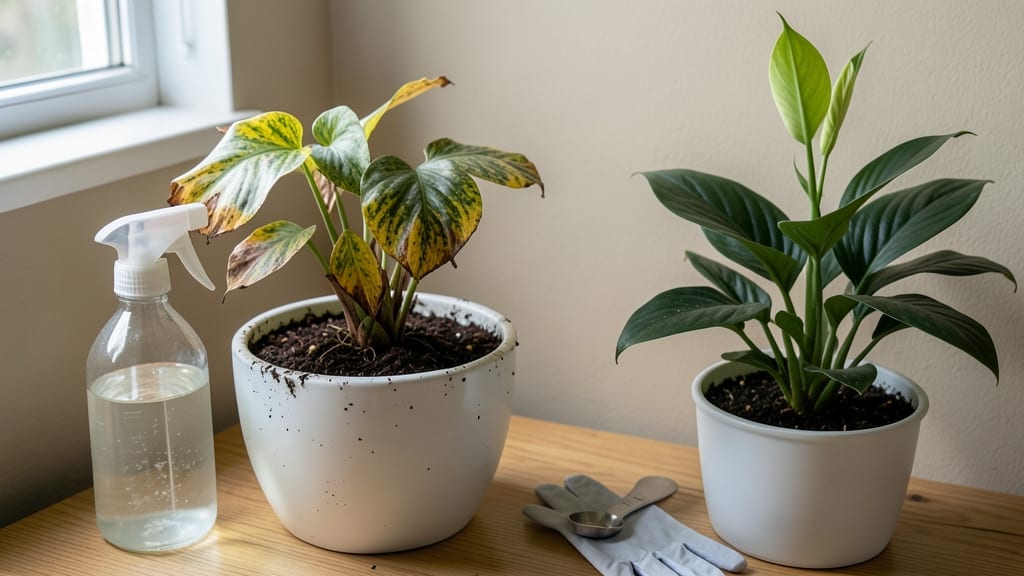
Using aspirin for garden plants works as a natural pest deterrent and growth booster when mixed into a foliar spray, but you must dilute it properly to avoid harming plants or altering soil pH.
This common household medication contains salicylic acid, a compound that triggers natural defense responses in plants. 🌱 When applied as a diluted spray, it strengthens cell walls and stimulates root development, while also repelling common garden pests like aphids and spider mites.
The key is using just 1 crushed aspirin per gallon of water—never more—and applying it during early morning hours when plants are dry.
For best results, target young seedlings or stressed plants that need a growth boost. Avoid spraying during hot afternoons or on flowering plants, as the salicylic acid can interfere with pollination. Always use plain, uncoated aspirin and test on a small leaf area first to check for sensitivity.
💡 In This Article
- How Aspirin Works as a Natural Plant Fertilizer and Pest Repellent
- Safe Aspirin Spray Recipes and Application Tips for Gardens
How aspirin works as a natural plant fertilizer and pest repellent
At its core, aspirin contains salicylic acid, a naturally occurring plant hormone that triggers defensive responses. When plants detect stress—like pest attacks or disease—salicylic acid signals them to produce protective proteins and strengthen cell walls.
This is why a diluted aspirin spray mimics nature's own pest-fighting mechanism. 🌿 For example, studies show that salicylic acid concentrations as low as 0.1-0.5 millimolar can activate these defenses in plants like tomatoes and peppers, creating a barrier that deters chewing insects and sucking pests.
The growth-boosting effects come from how salicylic acid stimulates root development and enhances photosynthesis. When applied as a foliar spray, it enters leaves through stomata and travels to growing points, where it promotes cell division.
This is particularly effective for seedlings or stressed plants—think of it like giving your plants a gentle immune system boost. The key is the 1:10 dilution ratio (1 aspirin tablet per gallon of water), which delivers enough salicylic acid (0.006% concentration) to be effective without causing phytotoxicity.
For pest deterrence, the mechanism is twofold: first, the aspirin spray creates an unpleasant environment for soft-bodied insects like aphids and spider mites, whose delicate exoskeletons can't handle the mild acidity.
Second, the enhanced plant defenses make foliage less appealing to egg-laying pests. 🐞 What's fascinating is how this works differently from chemical pesticides—there's no residual toxicity, and beneficial insects like ladybugs remain unaffected. The effect typically lasts 7-14 days, requiring reapplication during active pest seasons.
However, the chemistry gets more nuanced with overuse. While salicylic acid is naturally occurring, concentrated applications can disrupt plant hormones, leading to stunted growth or leaf curl. The pH drop from aspirin (typically pH 3.0 in solution) can also acidify soil over time, harming beneficial microbes.
This is why organic gardeners recommend using aspirin sprays no more than every 2-3 weeks during growing seasons, with a 30-day gap between applications for maximum safety.
Consider how this compares to commercial plant hormones: synthetic versions often contain 10-100x more active ingredients than what's in aspirin. The beauty of using aspirin is its gentle yet effective balance—similar to how plants naturally produce salicylic acid in response to mild stress.
For instance, when tomato plants are lightly pruned, they produce their own salicylic acid, which is why they develop stronger resistance to early blight in subsequent growth stages.
The most effective application window is early morning when humidity is high but dew has evaporated, allowing the spray to adhere better to leaves.
This timing also minimizes the risk of fungal growth from moisture lingering on foliage. 🌞 What most gardeners don't realize is that the spray works best when applied to the undersides of leaves—this is where many pests hide and where stomata are most concentrated for absorption.