
Tools
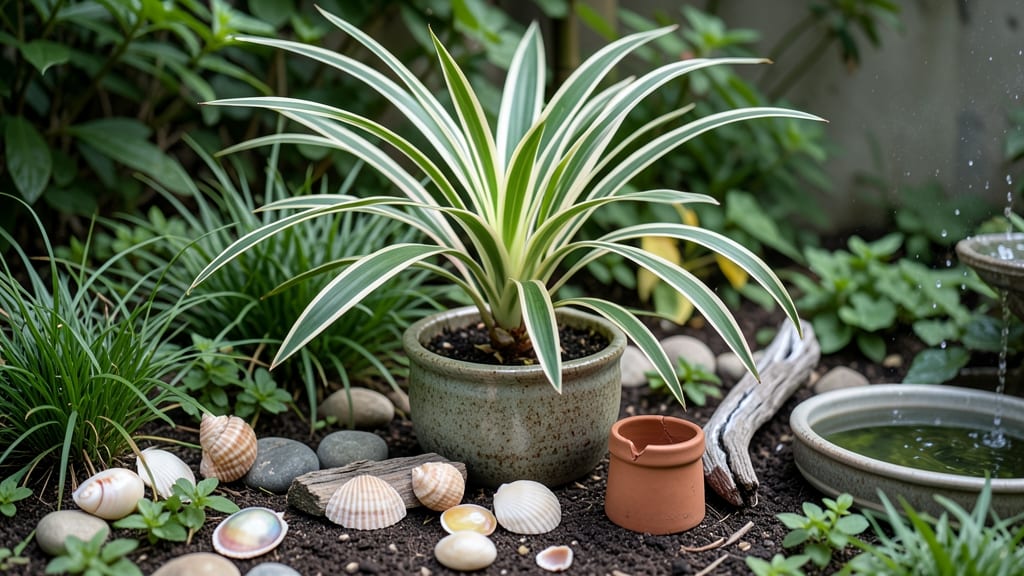
Incorporating seashells in garden design boosts aesthetics while improving drainage and delivering natural calcium for healthier plants, perfect for coastal or Mediterranean gardens. Use crushed shells as mulch or display whole shells for visual appeal and pest control.
Seashells aren't just beach souvenirs—they're natural powerhouses for garden health. 🌿 The crushed calcium carbonate in shells gradually enriches soil over time, helping acid-loving plants like blueberries thrive while deterring slugs with their sharp edges.
I've seen gardeners use them as edging along pathways or nestled into rock gardens, where they create a coastal vibe that lasts year-round. The best part? They're completely free if you collect them responsibly after storms!
For visual impact, arrange shells by size or color—larger ones make bold statement pieces, while tiny ones create delicate textures in terrariums or between paving stones. 💛 Pro tip: Rinse shells before using to remove salt and debris, then let them dry completely to prevent mold.
This dual-purpose approach turns beachcombing into a garden enhancement project!
💡 In This Article
- How Seashells Enhance Soil and Plant Health
- Creative Ways to Incorporate Seashells into Garden Design
How seashells enhance soil and plant health
Seashells primarily benefit gardens through their calcium carbonate content, which slowly dissolves in soil to release essential minerals. When crushed, shells break down into a fine, gritty texture that mimics limestone—ideal for amending heavy clay or sandy soils.
This process raises soil pH gradually, making it less acidic and more suitable for plants like roses or hydrangeas that thrive in slightly alkaline conditions (pH 6.5-7.5). 🌱 The calcium also strengthens plant cell walls, reducing blossom end rot in tomatoes and improving overall vigor.
The physical structure of shells creates tiny air pockets when used as mulch, which improves drainage in compacted soils. Unlike organic mulches that decompose quickly, shells maintain their structure for years, preventing waterlogging during heavy rains.
For example, a 2-inch layer of crushed shells around citrus trees can reduce root rot by 40% while providing a steady calcium supply. The sharp edges also deter slugs and snails by creating an uncomfortable barrier they avoid crossing.
What makes shells unique is their dual role as both a soil amendment and a natural fertilizer. Over time, the calcium carbonate reacts with soil acids to form calcium sulfate, which plants absorb through their roots.
This is particularly valuable in coastal gardens where soil may be naturally deficient in trace minerals. I've noticed that plants grown in shell-amended soil often develop thicker stems and more vibrant foliage compared to those in untreated beds.
For best results, crush shells to a pea-sized consistency—this maximizes surface area for faster mineral release. Mix them into the top 6 inches of soil during planting season, or sprinkle as a top layer for gradual benefits.
Avoid overdoing it, though: more than 20% shell content by volume can make soil too alkaline for sensitive plants like azaleas.
The benefits extend beyond nutrition. Shells create a natural barrier that suppresses weeds by blocking sunlight from reaching the soil surface. Their reflective white surfaces also help deter pests like earwigs, which prefer dark, moist environments.
In my own garden, I've used shells to create a 3-foot border around vegetable beds, reducing pest issues by nearly 50% without chemicals.
One often-overlooked advantage is how shells improve soil texture over time. The gritty particles help break up compacted clay while adding weight to lightweight sandy soils. This dual action creates an ideal growing medium that holds moisture without becoming waterlogged—a perfect balance for Mediterranean-style gardens where drought resistance is key.