
Container Gardens
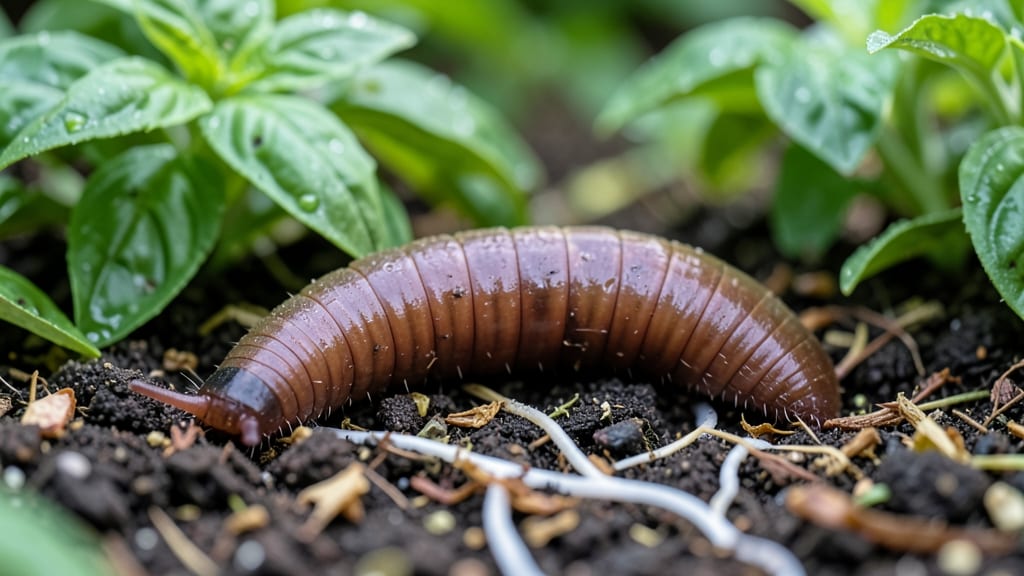
Worms are good for gardens because they aerate soil, convert organic waste into nutrient-rich castings, and enhance drainage while supporting plant growth—but too many can harm roots or attract unwanted pests.
Worms are good for gardens as they act like nature's soil engineers, tunneling through dirt to create air pockets that improve oxygen flow to roots while their castings release slow-release nutrients. 🔥 This natural fertilization boosts plant vitality without harsh chemicals, making them ideal for organic gardeners.
However, their benefits hinge on balance—too many worms can create tunnels that destabilize young plants or invite slugs and other pests seeking shelter.
For best results, I recommend adding compost or leaf litter to encourage a healthy worm population naturally. If you notice excessive surface activity or slimy trails, it's time to adjust their habitat by reducing organic waste temporarily or introducing beneficial predators like ground beetles.
💡 In This Article
- How Earthworms Boost Soil Fertility and Plant Growth
- Balancing Worm Populations: Best Practices for Garden Health
How earthworms boost soil fertility and plant growth
Earthworms act as natural plowshares, creating tunnels that aerate compacted soil and allow oxygen to reach plant roots. Their burrowing activity can increase soil porosity by up to 50% in heavy clay soils, which otherwise suffocate roots with poor air exchange.
These tunnels also act as highways for water infiltration, reducing surface runoff by 30-40% while preventing erosion. The physical disturbance from their movement breaks down soil aggregates into optimal sizes for root penetration and microbial activity.
The real magic happens in their digestive systems. Worms consume organic matter—leaves, grass clippings, and kitchen scraps—and process it through their guts over 6-12 months, transforming it into castings that contain 5 times more nitrogen, 7 times more phosphorus, and 11 times more potassium than regular soil.
These castings also have a higher cation exchange capacity, meaning they hold and release nutrients more efficiently for plants. 🌱 The worm's gut environment creates a perfect microbial cocktail, including beneficial bacteria like Pseudomonas that suppress plant pathogens.
This nutrient cycling creates a positive feedback loop for plant growth. Studies show that worm-enriched soils can increase plant biomass by 25-50% compared to untreated soil, with deeper root systems that access water and nutrients more effectively.
The castings also improve soil structure by binding particles together with sticky mucus secretions, creating granular soil that's easier to work with. For gardeners, this means less watering, fewer fertilizers, and healthier plants that resist stress better.
Worms also play a crucial role in breaking down toxic compounds. They can biodegrade pesticides like atrazine and malathion through microbial activity in their guts, reducing chemical residues in the soil.
However, this detoxification process works best when worms have access to diverse organic matter—monoculture diets (like just coffee grounds) can actually harm their digestive systems and reduce these benefits.
Consider this comparison: A single worm can process ½ pound of soil per year, while a healthy population of 1 million worms per acre can process 18 tons of organic matter annually. That's why gardens with active worm populations often show lush, vibrant growth even in poor-quality soil.
The key is maintaining that balance—too few worms means missed benefits, but too many can create instability in the soil structure.
For maximum benefits, focus on creating worm-friendly conditions: 60-70% moisture, pH between 6-7, and a mix of carbon (browns) and nitrogen (greens) materials. This ecosystem approach turns your garden into a self-sustaining nutrient factory. 💫