
Fertilization
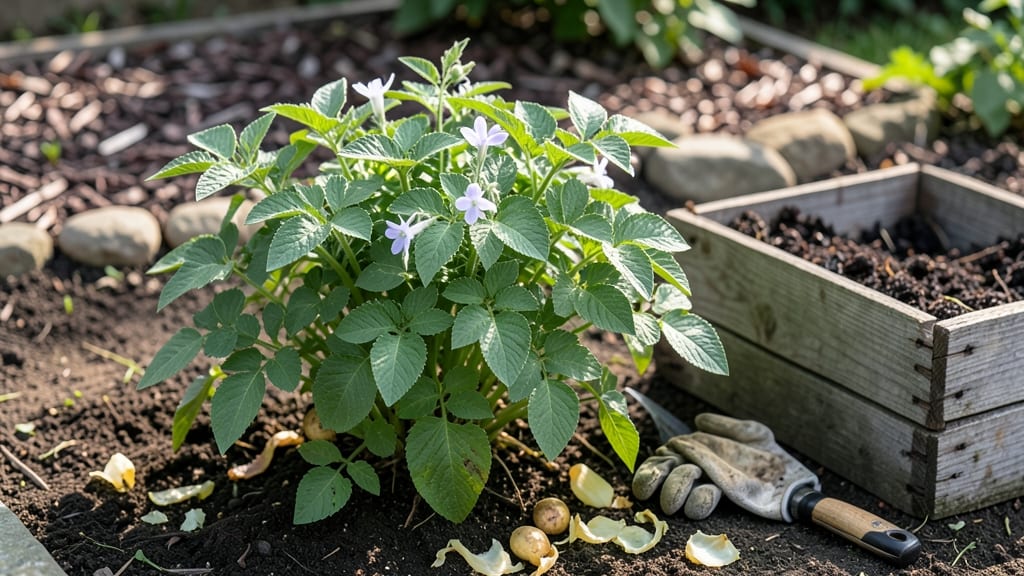
Potato peels are good for the garden when composted properly, enriching soil with nutrients like potassium and nitrogen while breaking down into organic matter. However, avoid tossing them directly into the garden to prevent pests or disease spread.
Potato peels pack a nutrient punch for your garden, especially when you compost them. 🌱 They're rich in potassium—great for root development—and contain nitrogen, which helps plants grow lush and green. The breakdown process also improves soil structure, making it easier for roots to spread and water to drain properly.
Just remember: never toss raw peels directly into your garden bed, as they can attract pests or harbor diseases from the potato itself.
For best results, chop the peels into smaller pieces before composting to speed up decomposition. You can also blend them into a liquid fertilizer by steeping in water for a few days, then straining and diluting before applying to plants.
This method captures their nutrients without the risk of introducing pathogens.
💡 In This Article
- Nutritional Benefits of Potato Peels for Soil Health
- Safe Ways to Use Potato Peels in Your Garden
Nutritional benefits of potato peels for soil health
Potato peels contain a surprisingly rich nutrient profile that makes them valuable for soil health. A 100-gram serving of potato peel contains about 2,000-3,000 milligrams of potassium—a key mineral that supports root development and disease resistance in plants.
This potassium content rivals that of banana peels, another popular compost ingredient, but with the added benefit of nitrogen, which potato peels provide in concentrations of 1.5-2.5% by dry weight. 🌱
The nitrogen in potato peels acts as a natural fertilizer, promoting leafy green growth, while the potassium strengthens cell walls, making plants more resilient to environmental stresses. When composted, these peels also contribute trace minerals like phosphorus and calcium, though in smaller amounts.
The breakdown process releases these nutrients gradually, creating a slow-release fertilizer effect that's ideal for long-term soil enrichment. Compared to other kitchen scraps like coffee grounds (which are high in nitrogen but lack potassium), potato peels offer a more balanced nutrient profile.
Beyond nutrients, potato peels improve soil structure through their fibrous texture. As they decompose, they create air pockets that enhance aeration while also attracting beneficial microorganisms. These microbes break down organic matter further, creating a thriving ecosystem that supports plant roots.
The process also increases soil's water retention capacity, helping plants withstand drought conditions. 💧 What's particularly impressive is how potato peels compare to dedicated compost starters—they provide similar benefits without requiring additional inputs.
However, the benefits only materialize when peels are properly composted. Raw peels left in garden soil can become a breeding ground for pests like slugs and cutworms, attracted by the starches they contain.
The composting process neutralizes these risks by breaking down the starches into simpler compounds that plants can easily absorb. This transformation also eliminates any potential pathogens that might be present on the potato skins, making the nutrients safe for plant uptake.
For gardeners using raised beds or container gardens, potato peels can be especially valuable. Their nutrient density means you need smaller quantities to achieve noticeable soil improvement—typically 1-2 cups of chopped peels per square foot of garden bed when fully composted.
The peels' ability to break down quickly (usually within 4-6 weeks in a well-managed compost pile) makes them ideal for frequent garden maintenance rather than one-time applications. 🌿
One often-overlooked benefit is the peels' impact on soil pH. While not strongly acidic or alkaline, their decomposition helps balance overly acidic soils by introducing slightly alkaline minerals. This makes them particularly useful for gardens with pH levels below 6.0, where many vegetables struggle to thrive.
The gradual pH adjustment occurs naturally through microbial activity during composting, without requiring chemical amendments.