
Pests
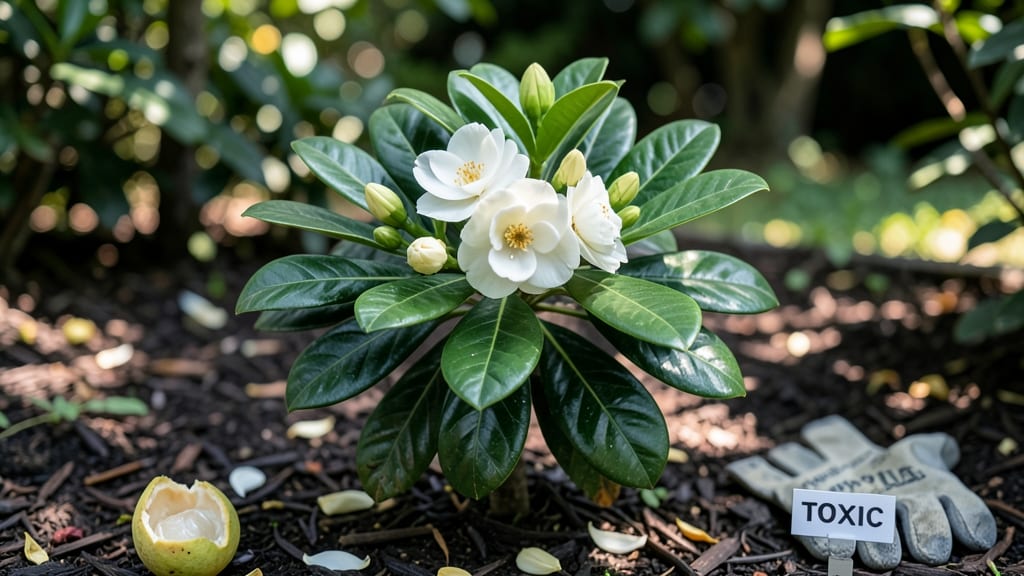
Yes, gardenias are poisonous to humans and pets, containing toxic compounds like saponins and cardiac glycosides that can cause vomiting, diarrhea, or skin irritation upon ingestion or contact. Keep them out of reach of children and animals and wear gloves when handling.
Gardenias contain multiple toxic compounds that affect different body systems. The saponins in leaves and stems create a soapy taste while irritating mucous membranes, while cardiac glycosides disrupt heart rhythms if ingested in large quantities.
Even the fragrant flowers pose risks—chewing petals can cause oral irritation or digestive upset. 🌸 The severity depends on exposure: pets are particularly vulnerable due to their size, while humans typically experience milder reactions unless they handle large amounts without protection.
This toxicity isn't just theoretical—veterinarians frequently treat cases where curious pets nibble gardenia leaves or flowers. The compounds work by interfering with cellular processes: saponins damage cell membranes while cardiac glycosides affect sodium-potassium pumps in nerve and muscle cells.
That's why symptoms range from gastrointestinal upset to more serious neurological effects in extreme cases.
💡 In This Article
- Toxic Compounds in Gardenia Plants and Their Effects
- Safe Gardening Practices for Handling Gardenias
Toxic compounds in gardenia plants and their effects
Gardenias contain two primary toxic compounds that work in different ways to harm humans and animals. The first is saponins, which create a soapy foam when mixed with water and irritate mucous membranes. These compounds disrupt cell membranes, particularly in the digestive tract, causing inflammation and damage when ingested.
The second major toxin is cardiac glycosides, which interfere with the heart's electrical system by inhibiting sodium-potassium pumps in cells. This disruption can lead to abnormal heart rhythms in severe cases.
The toxicity levels vary dramatically between plant parts. Leaves contain the highest concentration of saponins, making them the most dangerous when ingested. Flowers have lower toxicity but can still cause oral irritation and digestive upset if chewed.
Stems contain both compounds but in moderate amounts. 🌿 For example, a single gardenia leaf (about 5-7 inches long) could cause mild gastrointestinal distress in a child, while a pet like a cat might experience more severe symptoms after eating just a small portion due to their smaller body size.
When these compounds enter the body, they trigger a cascade of physiological responses. Saponins create immediate irritation in the mouth and throat, leading to drooling, vomiting, or diarrhea within 30-60 minutes of ingestion.
Cardiac glycosides take longer to affect the nervous system, potentially causing confusion, weakness, or even seizures in extreme cases. The plant's fragrance masks its danger—many people are surprised to learn that something so beautiful can be so harmful.
Skin contact with gardenia sap or crushed leaves can also cause reactions. The oils contain additional irritants that may trigger contact dermatitis, characterized by redness, itching, or blistering. This is why gardeners often report skin irritation after pruning without gloves.
The reaction typically appears within 24-48 hours and can persist for several days without proper treatment. 💛 Inhaling crushed plant material can also irritate respiratory passages, causing coughing or sneezing.
Veterinary cases show that pets are particularly vulnerable. Dogs and cats often experience more severe symptoms because their smaller bodies can't metabolize the toxins as efficiently. A 5-pound cat might show signs of poisoning after eating just one leaf, while a 50-pound dog could experience symptoms after consuming several leaves.
The key difference is body weight—what's a small dose for a human can be lethal for a small animal.
Understanding these mechanisms helps explain why gardenias should never be used in teas or culinary preparations. Even the flowers' sweet scent can be misleading—what looks like a harmless decoration can contain enough toxins to cause serious health issues.
The compounds' persistence in the plant means even dried gardenia leaves retain their toxicity, making proper disposal crucial.