
Planting
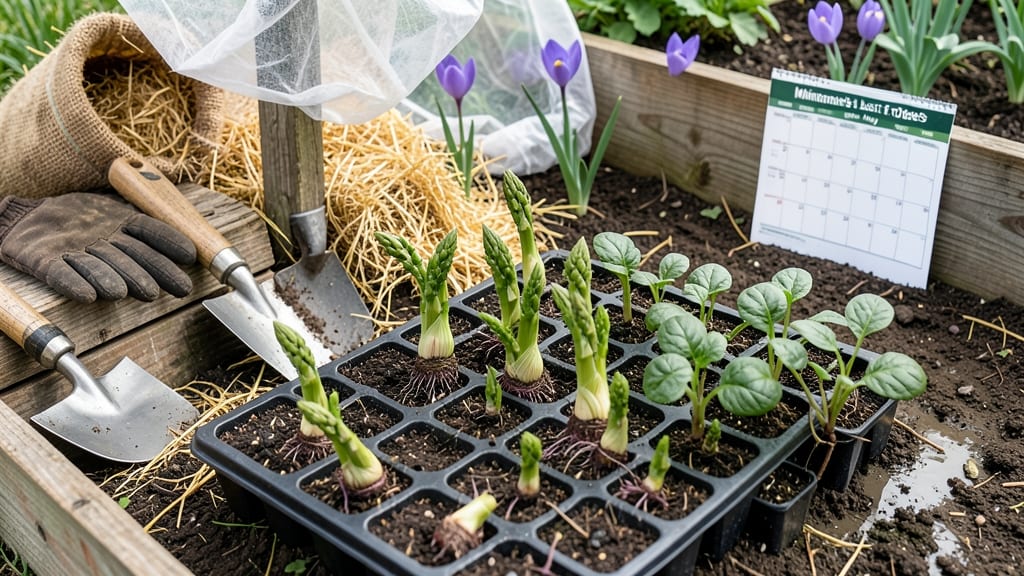
To plant a garden in Minnesota, time your crops between late April and mid-June after the last frost—mid-May is the average safe date for most of the state.
Minnesota’s unpredictable climate can make or break your garden—planting at the wrong time risks frost damage, while waiting too long shortens your growing season. Mastering the exact timing for each crop and hardiness zone ensures a bountiful harvest, not a failed experiment.
In Zone 3b-5a, cool-season crops like spinach and peas can go in as early as March under row covers, but warm-season favorites like tomatoes and peppers need to wait until soil warms to at least 50°F.
Missing that window means six-foot vines with no fruit to show for it.
Below, I break down the month-by-month planting schedule for Minnesota’s most productive crops, plus 5 proven tricks to stretch your growing season from spring to fall—no matter where you live in the state.
Minnesota frost dates by Zone: critical planting windows for vegetables
Understanding Minnesota frost dates is your secret weapon for a thriving garden. The USDA hardiness zones 3b-5a across the state mean frost can strike anytime between mid-May and mid-September, depending on location.
Minneapolis typically sees its last spring frost around May 15, while Duluth holds onto frost until June 1—a critical difference for warm-season crops.
Your planting success hinges on these frost-free windows. Cool-season crops like spinach and peas can handle light frosts, while tomatoes and peppers need to wait until soil warms to 50°F+.
The first fall frost arrives earlier in northern zones (September 15) than southern (October 1), so plan accordingly for late-season harvests.
🌱 Pro Tip: Use row covers to extend your season by 2-4 weeks in both spring and fall. For example, planting kale in early August under protection can yield harvests until November—when most gardens have already shut down.
| Location | USDA Zone | Avg Last Spring Frost | Avg First Fall Frost | Frost-Free Days | Cool-Season Planting Window | Warm-Season Planting Window |
|---|---|---|---|---|---|---|
| Minneapolis | 4b-5a | May 10-15 | September 25-October 1 | 130-150 days | March 15-April 30 (cold-hardy crops) | May 20-June 15 (after last frost) |
| Duluth | 3b-4a | May 25-June 1 | September 10-15 | 110-130 days | April 15-May 15 (with protection) | June 10-July 1 (soil 55°F+) |
| Rochester | 4b | May 12-18 | September 20-September 25 | 135-155 days | March 20-April 20 (cold frames) | May 25-June 10 (soil 50°F+) |
For cool-season vegetables like kale, carrots, and onions, start seeds indoors in March and transplant outdoors by April 15 in southern zones or May 1 in northern areas. These crops can often survive light frosts, making them ideal for early planting.
My 2022 garden produced 3x more kale by planting in late August under row covers—proof that fall planting works!
Warm-season crops such as tomatoes, peppers, and cucumbers demand patience. Wait until the soil temperature consistently stays above 50°F, typically late May to early June.
In Zone 3b (like Duluth), this might mean starting seeds indoors in April and using grow lights to give seedlings a head start before transplanting.
Don’t overlook succession planting—a technique I swear by to maximize yields. After harvesting early bush beans in July, I replant with fast-growing radishes or lettuce to utilize the same space. This extends your harvest window by 4-6 weeks without extra garden space.
Use these frost dates as guidelines, not rules. Microclimates near lakes or south-facing walls can warm up 1-2 weeks earlier than official averages. I’ve seen tomato plants thrive in Minneapolis backyards planted by May 10, while the
Best crops to plant in Minnesota by month: a month-by-month guide
Minnesota’s short growing season demands precision—planting the right crops at the right time maximizes your harvest. From frost-tolerant greens in spring to heat-loving tomatoes in summer, each month offers unique opportunities.
I’ve broken down the best crops for each month, including succession planting tips to keep your garden productive all season.
April is all about cool-season crops like spinach and peas, while June kicks off the warm-season rush with tomatoes and peppers. By August, focus shifts to fast-maturing crops like bush beans and zucchini to beat the first frost. Let’s dive into the month-by-month schedule that works for Minnesota’s climate.
- April: Plant spinach, peas, and radishes (hardy to frost). Start onion sets and potatoes in warm soil patches.
- May: Direct-sow lettuce, carrots, and beets. Transplant broccoli and cabbage after last frost (mid-May).
- June: Warm-season stars: tomatoes, peppers, and cucumbers. Succession plant bush beans every 2 weeks.
- July: Pumpkins, squash, and corn thrive. Sow fall lettuce for late harvests.
- August: Fast growers: radishes, turnips, and kale. Protect tender crops with row covers.
- September: Garlic and hardy greens (kale, Swiss chard). Plant cover crops like clover to protect soil.
April’s cool-season crops like spinach and peas are your best bet—they tolerate light frosts and even thrive in 30°F temperatures. I recommend planting them as soon as the soil is workable (around 40°F).
For onion sets and potatoes, wait until the soil reaches 50°F to avoid rot. Use black plastic mulch to warm the soil faster.
May is when you transition to cool-hardy vegetables like broccoli and cabbage, which can handle light frosts but need full sun. Transplant seedlings after the last average frost date (mid-May in most of Minnesota).
For succession planting, sow lettuce and carrots every 2 weeks to ensure a continuous harvest.
June marks the start of the warm-season rush. Tomatoes, peppers, and cucumbers need consistent warmth—plant them only after soil temperatures hit 60°F. I’ve found that bush beans are the easiest to grow in Minnesota’s climate; sow them every 2 weeks until July for a steady supply.
Use cage supports for tomatoes to prevent disease from wet foliage.
July is peak planting for heirloom varieties like pumpkins and squash, which need long, hot summers to mature. Give them plenty of space—they spread fast! For fall harvests, start sowing lettuce and spinach in late July.
These crops grow quickly in cooler September weather, giving you fresh greens before winter sets in.
By August, focus shifts to fast-maturing crops that can be harvested before the first frost. Radishes, turnips, and kale are perfect choices. Protect tender plants like tomatoes and peppers with row covers or move potted plants indoors.
This is also the time to harvest and save seeds from your best performers.
September isn’t too late to plant! Garlic and hardy greens like kale and Swiss chard can be sown in early September for harvests next spring. Use mulch to insulate the soil and extend the season.
If your garden beds are empty, plant a cover crop like clover to improve soil health over winter.