
Pests
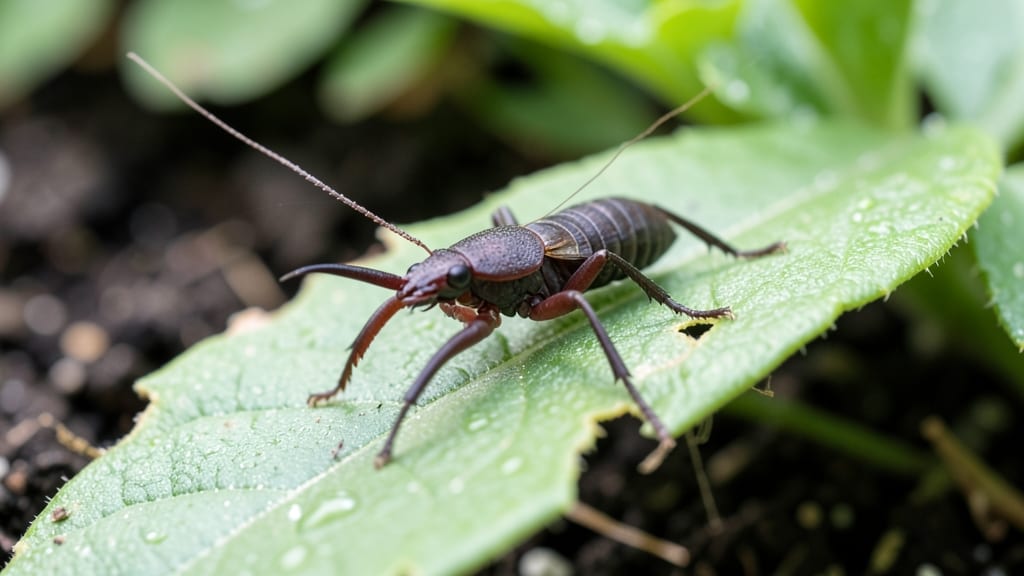
Earwigs aren’t bad for the garden—they mostly feast on decaying leaves, fungi, and small pests like aphids, though they may nibble young plant leaves or petals. These nocturnal critters are beneficial until their numbers grow uncontrollably, at which point they can damage crops and flowers.
Most gardeners don’t panic when they spot earwigs because their diet is mostly beneficial. 🌱 They help break down organic matter and keep insect populations in check, acting like tiny cleanup crews.
The real issue arises when their numbers surge, especially in damp conditions, leading to visible damage on tender plants like lettuce or roses. Unlike slugs, which leave large holes, earwigs create small, irregular bites that can weaken young shoots.
If you notice an earwig invasion, focus on reducing moisture and removing hiding spots like mulch piles or dense foliage. 💫 Natural predators like birds and ground beetles can also help keep populations balanced without harsh chemicals.
💡 In This Article
- What Earwigs Eat: Garden Friends or Foes?
- Natural Earwig Control Methods for Gardens
What earwigs eat: garden friends or foes?
Earwigs are often misunderstood because their diet is a mix of beneficial and problematic behaviors.
About 70-80% of their diet consists of decaying plant matter, fungi, and small insects like aphids, making them natural decomposers and predators. 🌿 Their pincers aren't for attacking plants—they're primarily used to capture prey or defend themselves.
In fact, studies show that earwigs can consume up to 500 aphids per season, acting as a pest-control ally similar to ladybugs.
The real concern arises when their populations grow unchecked, especially in moist environments. Earwigs will then target tender plant parts like lettuce leaves, rose petals, and young vegetable shoots, creating small, irregular holes that can weaken plants.
Unlike slugs, which leave large, smooth-edged bites, earwig damage appears as tiny, jagged tears along leaf edges. This is why gardeners often notice issues during damp summers or after heavy rains, when earwigs seek shelter in garden beds and start feeding more aggressively.
Here's how their feeding compares to other garden pests:
- Slugs: Cause large, irregular holes and leave a silvery slime trail
- Caterpillars: Strip leaves completely, often leaving only the midrib
- Earwigs: Create small, precise bites along leaf margins or flower petals
The key difference is that earwigs are opportunistic rather than specialized feeders.
They won't destroy a healthy plant, but they'll take advantage of stressed or young growth. 🌱 This is why most gardeners only notice problems when earwig populations exceed 5-10 individuals per square yard—a threshold where their natural predation benefits get outweighed by their plant damage.
Interestingly, earwigs have a preference for certain plants. Research shows they're particularly drawn to:
- Lettuce and other leafy greens (especially in late summer)
- Roses and other flowering plants (they'll chew petals)
- Corn and other tender young shoots
- Decaying wood and mulch (their primary food source)
This plant preference explains why some gardeners experience issues while others don't—it's not about the earwigs themselves, but about the specific plants growing in your garden and the moisture levels that attract them. 💫 The good news is that their damage is rarely severe enough to kill plants, making them a low-priority pest compared to slugs or Japanese beetles.