
Fertilization
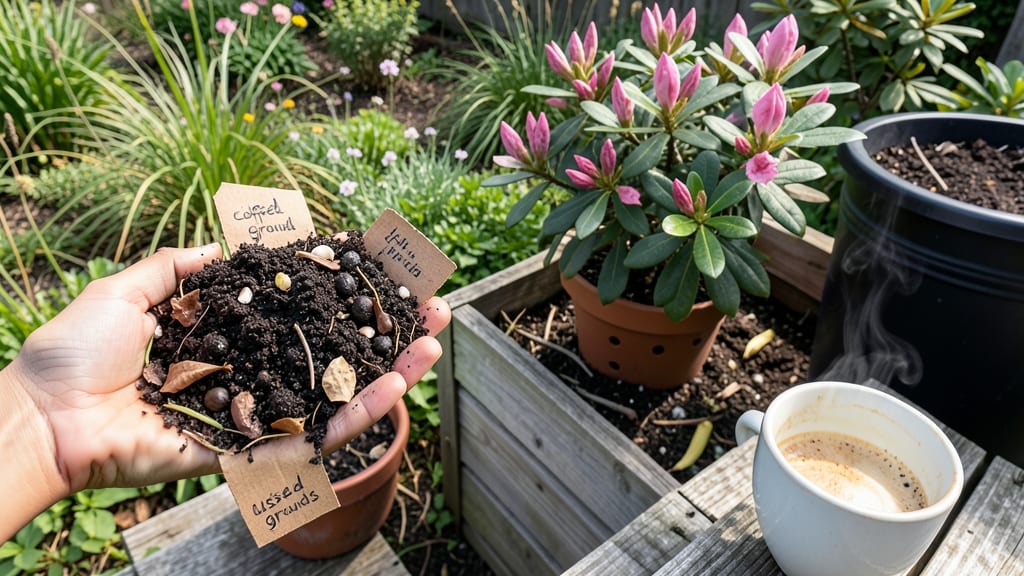
This coffee grounds in the garden fact sheet reveals that using them boosts soil nitrogen, enhances drainage, and acidifies the ground—ideal for blueberries and azaleas—but requires composting first to avoid mold and nutrient imbalance. Use 1 to 2 cups per plant sparingly.
Coffee grounds act like a slow-release fertilizer, breaking down to release nitrogen over time—this makes them especially valuable for nitrogen-hungry plants like tomatoes and peppers. 🌱 The acidity they introduce also benefits acid-loving species, but fresh grounds can compact soil if used directly.
I recommend mixing them into compost first to balance their effects and prevent clumping.
Beyond fertilization, coffee grounds help repel pests like slugs and ants while improving soil structure. However, overuse can disrupt microbial balance, so moderation is key. For best results, sprinkle a thin layer around plants or mix into mulch—just avoid piling them up in one spot.
💡 In This Article
- How Coffee Grounds Transform Soil Chemistry
- Best Plants for Coffee Grounds and Application Tips
How coffee grounds transform soil chemistry
Coffee grounds act as a natural nitrogen booster because they contain about 2% nitrogen by weight—similar to a light organic fertilizer. When they decompose, microbes break down the complex organic compounds into ammonia (NH₃), which plants can absorb as ammonium (NH₄⁺).
This process releases nitrogen gradually over 2-4 weeks, unlike synthetic fertilizers that provide an immediate but short-lived spike. The breakdown also produces humic acids, which improve soil structure by binding clay particles and increasing water retention.
The pH impact depends on whether grounds are fresh or composted. Fresh grounds have a pH of 4.85-5.1, making them slightly acidic—ideal for plants like hydrangeas, rhododendrons, and blueberries that thrive in pH 4.5-5.5 soil.
However, when composted, their acidity neutralizes, creating a more balanced pH 6.0-7.0 environment. This is why composting them first is critical: it prevents sudden pH swings that could harm sensitive plants or disrupt beneficial microbial communities.
Microbial interactions are where coffee grounds get fascinating. The grounds provide a food source for decomposers like bacteria and fungi, which in turn accelerate nutrient cycling. Studies show that adding coffee grounds can increase microbial biomass by upstrong>30% in the short term, but this effect plateaus if overused.
The key is balance—too much creates anaerobic pockets where harmful bacteria thrive, while the right amount fosters a diverse, healthy soil ecosystem. Think of it like feeding your garden's invisible workforce.
Fresh grounds also physically alter soil structure. Their coarse texture improves drainage in heavy clay soils by creating air pockets, while their fibrous nature helps sandy soils retain moisture. However, this dual effect is lost if you pile them directly onto soil—they'll compact and create a waterproof layer.
Instead, mix them into the top 2-3 inches of soil or compost to maximize their structural benefits without suffocating roots.
One often-overlooked benefit is their ability to chelate (bind) trace minerals like magnesium and potassium, making them more available to plants. This chelation process happens during decomposition, where organic acids in the grounds form soluble complexes with minerals in the soil.
For example, a 1-cup application can make 10-15% more magnesium accessible to plants over time—equivalent to a light dose of Epsom salt but without the risk of over-fertilization.
For visual learners, imagine coffee grounds as tiny sponges that soak up excess water in rainy seasons while slowly releasing moisture during dry spells. Their porous structure creates microhabitats where beneficial microbes can thrive, creating a self-sustaining cycle of nutrient release.
This is why gardeners swear by them—not just for their nitrogen content, but for their ability to create a more resilient soil ecosystem over time. 🌱