
Tools
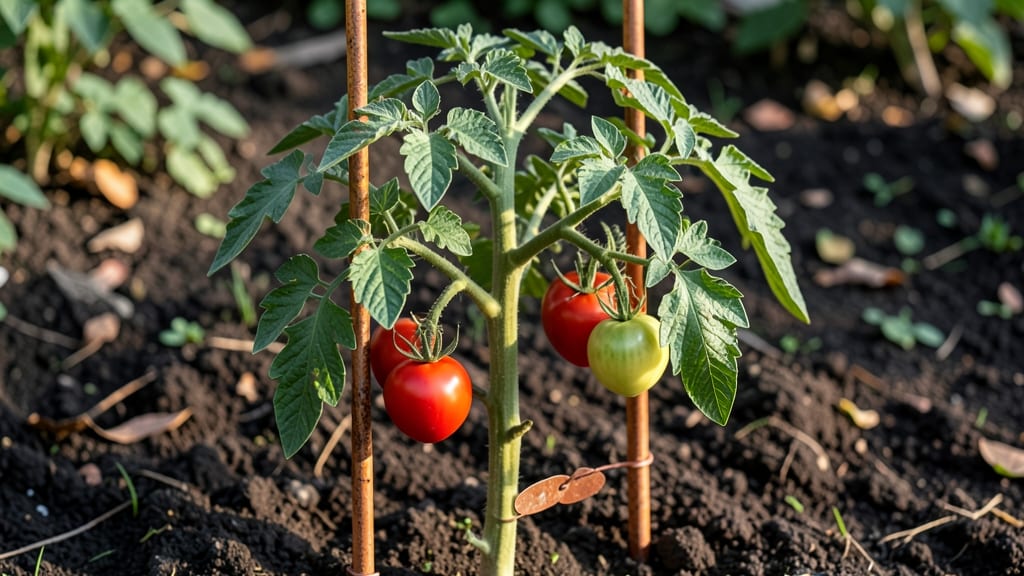
The benefits of copper garden stakes include long-lasting durability that resists rust and corrosion for decades, plus natural antimicrobial properties that protect plants from pests and fungal diseases, making them perfect for sustainable garden support.
Copper's natural resistance to oxidation means these stakes develop a protective patina over time, shielding them from weather damage while maintaining structural integrity. 🔥 Unlike iron or steel, copper won't degrade quickly in soil or moisture, which is why they're often used in professional landscaping.
The antimicrobial effects also create a healthier growing environment by inhibiting harmful bacteria and fungi that can weaken plant roots.
Beyond their functional advantages, copper stakes add aesthetic value with their warm metallic finish that complements any garden style. They're particularly effective for supporting heavy vines or roses, where their strength prevents bending or breaking.
While the upfront cost may be higher than bamboo or plastic alternatives, their longevity and low maintenance make them a cost-effective choice over time.
💡 In This Article
- How Copper’s Natural Properties Enhance Garden Stake Performance
- Best Uses for Copper Garden Stakes in Plant Cultivation
How copper’s natural properties enhance garden stake performance
Copper’s legendary durability starts with its resistance to corrosion through a unique oxidation process. When exposed to air and moisture, copper forms a protective layer called patina—a greenish-blue compound made of copper carbonate and sulfate.
This layer acts as a natural shield, preventing further oxidation and extending the stake’s lifespan to 50+ years in outdoor conditions.
Unlike iron or steel, which rust and weaken over time, copper actually becomes more stable as it ages, making it ideal for garden stakes that must withstand seasonal weather changes and soil acidity.
The antimicrobial properties of copper are equally impressive. Copper ions disrupt the cell membranes of bacteria, fungi, and even pests like slugs and snails, creating a hostile environment for pathogens. Studies show copper surfaces can reduce bacterial growth by 99.9% within hours.
This is why copper stakes are often used in organic gardening—they help prevent soil-borne diseases like root rot and powdery mildew without chemical treatments. The metal’s natural conductivity also emits subtle electrical impulses that deter soft-bodied pests, giving plants an extra layer of protection.
What makes copper stakes stand out is their ability to maintain structural integrity under stress. Unlike bamboo, which rots within 2-3 years, or plastic, which degrades under UV exposure, copper stakes remain rigid and corrosion-free.
Their high tensile strength (similar to mild steel) makes them perfect for supporting heavy climbers like grapes or wisteria, where other materials might bend or snap. The stakes’ smooth, polished finish also reduces friction against plant tendrils, preventing damage during growth.
For gardeners concerned about aesthetics, copper’s warm metallic sheen adds a premium touch to any landscape. Over time, the patina develops a soft, earthy hue that blends seamlessly with natural surroundings. Unlike galvanized steel, which can leave unsightly rust stains, copper’s transformation enhances its visual appeal.
This dual benefit—functional longevity and decorative value—makes copper stakes a favorite among both professional landscapers and DIY enthusiasts.
One often-overlooked advantage is copper’s thermal conductivity. While this property doesn’t directly affect stake performance, it means copper stakes warm up quickly in sunlight, which can subtly encourage faster plant growth in cooler climates.
The metal’s ability to absorb and radiate heat also helps prevent frost damage to supported plants during early spring or late fall. This passive heating effect is a bonus for gardeners in transitional climates where temperature fluctuations are common.
To maximize these benefits, copper stakes should be installed with 12-18 inches of the shaft buried vertically in the soil. This depth ensures stability while allowing the patina to form naturally above ground.
Unlike treated wood stakes that require sealing, copper stakes need no maintenance beyond occasional polishing to preserve their shine. Their low environmental impact—copper is 100% recyclable—makes them a sustainable choice for eco-conscious gardeners.