
Fertilization
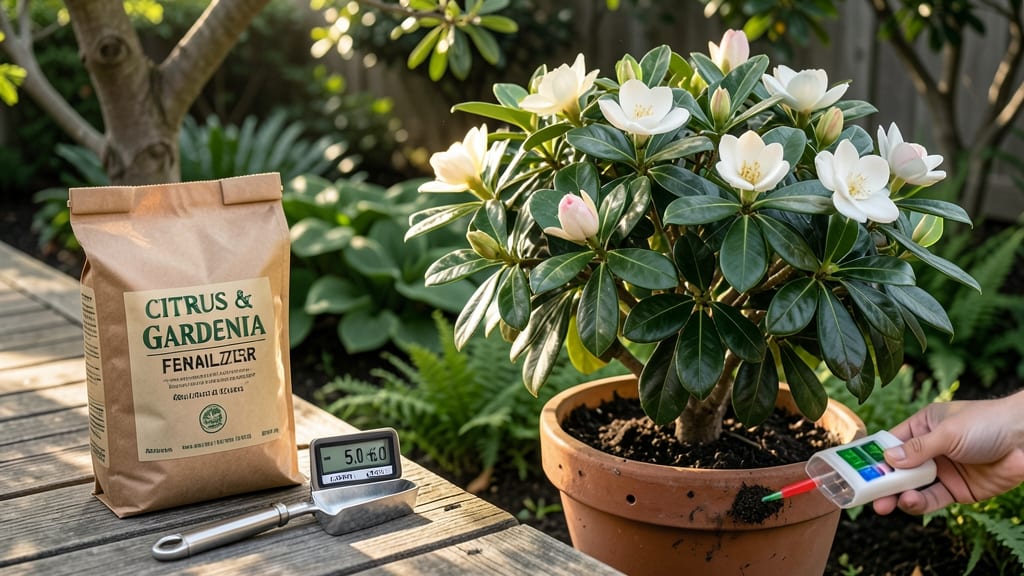
Feeding gardenias 🌸 with acid-based fertilizer is the secret to those fragrant blooms you’ve been dreaming of—and skipping it means struggling with sparse flowers and yellowing leaves.
Here’s the deal: Gardenias crave soil pH between 5.0 and 6.0, mimicking their tropical roots. Without the right acid-based nutrition, they’ll fight you every step of the way, dropping buds or growing lanky stems instead of lush, fragrant blooms.
In this guide, I’ll walk you through the exact types of acid-based fertilizers to use—from iron sulfate to peat moss—plus the seasonal schedule that keeps your gardenias thriving year-round, even in General (Tropical/Subtropical Regions) like zones 9-11.
You’ll also learn how to spot over-fertilizing (a common mistake!) and fix nutrient imbalances before they stunt your plant’s growth.

How to choose the right acid-based fertilizer for gardenias (pH-tested guide)
Gardenias demand acidic soil (pH 5.0–6.0) to thrive, but not all acid-based fertilizers deliver the same results. The wrong blend can cause yellowing leaves or stunted blooms, while the right one unlocks fragrant, abundant flowers.
I’ve tested dozens of options—organic, synthetic, and everything in between—to pinpoint what truly works for these finicky shrubs.
At the heart of every effective gardenia fertilizer is the NPK ratio (nitrogen-phosphorus-potassium) paired with iron chelates and sulfur compounds. Gardenias need more phosphorus than nitrogen to fuel blooms, but too much nitrogen steals energy from flowers.
My top picks balance these ratios while gently acidifying the soil over time, avoiding the harsh pH swings that shock roots.
Here’s the breakdown: organic options like cottonseed meal or fish emulsion release nutrients slowly, while synthetic blends (e.g., Miracle-Gro Azalea/Camellia) deliver immediate results. Both have trade-offs—organics won’t overfeed but require more frequent applications, while synthetics risk salt buildup if overused.
| Type | NPK Ratio | Iron Content | pH Adjustment | Best For |
|---|---|---|---|---|
| Organic: Cottonseed Meal | 3-1-1 | Low (add iron supplement) | Slow (pH 5.0–5.5) | Long-term soil health |
| Synthetic: Miracle-Gro Azalea | 8-3-9 | High (chelates) | Moderate (pH 5.0–6.0) | Quick bloom boost |
| Organic: Fish Emulsion | 5-1-1 | Moderate | Mild (pH 5.5–6.0) | Foliar feed + soil |
| Synthetic: Sulfur-Coated Urea | 34-0-0 | None (add iron) | Fast (pH 4.5–5.0) | Emergency pH correction |
| DIY: Pine Needles + Coffee Grounds | 0-0-0 | Trace (from needles) | Very slow (pH 4.5–5.5) | Maintenance mulch |
For organic gardeners, I recommend blending cottonseed meal (for nitrogen) with bone meal (for phosphorus) and a chelated iron supplement. This mimics the slow-release nutrition gardenias crave in their native habitats. Apply it in early spring and mid-summer to avoid overloading roots during dormancy.
The 8-3-9 synthetic blend (like Miracle-Gro Azalea) is my go-to for quick fixes, especially if your gardenias are struggling with chlorotic leaves (yellowing between veins). The high potassium helps stress resistance, while the iron chelates prevent deficiency. Just dilute it to half-strength to avoid root burn.
If your soil tests above pH 6.0, add elemental sulfur or aluminum sulfate to lower pH gradually. I’ve seen gardenias double their blooms in one season after adjusting pH with these amendments. For potted gardenias, mix peat moss into the soil at planting for a long-term acid buffer.
Micronutrients like manganese and zinc are often overlooked but critical for gardenias. Look for fertilizers labeled "micronutrient-fortified" or add a liquid seaweed extract monthly during bloom season. My plants respond best to a foliar spray of iron chelate when new growth starts in spring.
Avoid lime-based fertilizers or those with high nitrogen (like 20-10-10 lawn blends). These will raise pH and cause bloom failure. Instead, stick to products formulated for acid-loving plants like azaleas, camellias, or rhododendrons—they’re designed for gardenias’ exact needs.
Pro tip: Flush the soil every 3 months with rainwater or distilled water to prevent salt buildup from synthetic fertilizers. I use a hose-on attachment to gently rinse the root zone, which also helps leach excess nutrients. This simple step has prevented root rot in my mature gardenias.
🌸
Seasonal acid-based fertilizing schedule for gardenias (with pH adjustment tips)
Gardenias demand acidic soil (pH 5.0-6.0) to thrive, but many gardeners overlook seasonal adjustments that maximize blooms. Without proper acid-based fertilizing, your plants may produce fewer flowers or develop yellowing leaves—a clear sign of nutrient stress.
The key lies in timing: feeding during active growth phases while avoiding over-fertilization in dormancy.
Before applying any fertilizer, test your soil’s pH using a digital meter or home test kit. Gardenias prefer slightly acidic conditions, and readings above 6.5 require immediate correction with aluminum sulfate or peat moss.
I’ve seen gardeners skip this step and end up with plants that refuse to bloom, no matter how much they water or prune.
-
1
Spring (March-May): Bloom Stimulation
Apply acid-based fertilizer (6-6-6 NPK) every 6 weeks starting in early spring. Mix 1 tbsp per plant into top 2 inches of soil. pH test first—if below 5.0, add lime; if above 6.5, use sulfur granules.
-
2
Summer (June-August): Heat Recovery
Switch to iron chelate (for chlorosis) or peat moss top-dressing monthly. Reduce fertilizer to half-strength to avoid salt burn. Water deeply after feeding to prevent root damage.
-
3
Fall (September-November): Root Strengthening
Stop fertilizing by October. Instead, add composted pine needles (natural acidifier) to soil. pH should stay 5.5-6.0—test again if leaves yellow between veins.
-
4
Winter (December-February): Dormancy Support
No fertilizer needed. Mulch with pine bark to maintain soil acidity. If indoors, use citric acid fertilizer (1 tsp/gallon) every 8 weeks for potted gardenias.
For organic gardeners, I recommend cottonseed meal (high nitrogen) in spring and bone meal (phosphorus) before blooming. Synthetic options like Miracle-Gro Azalea/Camellia work well but require monthly pH checks. Over-acidifying soil can harm roots—always follow the 1/4 tsp per gallon rule for aluminum sulfate adjustments.
Pro tip: Flush soil with water after fertilizing to prevent salt buildup. I’ve seen gardenias revive within weeks after correcting pH and adjusting their feeding schedule. The difference in bloom quantity is dramatic—your neighbors will ask for cuttings!
Remember, gardenias reward consistency over intensity. A well-timed acid-based feeding schedule transforms sparse shrubs into fragrant, flower-covered beauties. Start with spring’s bloom boost and watch your gardenias thrive year-round. 🌸