
Planting
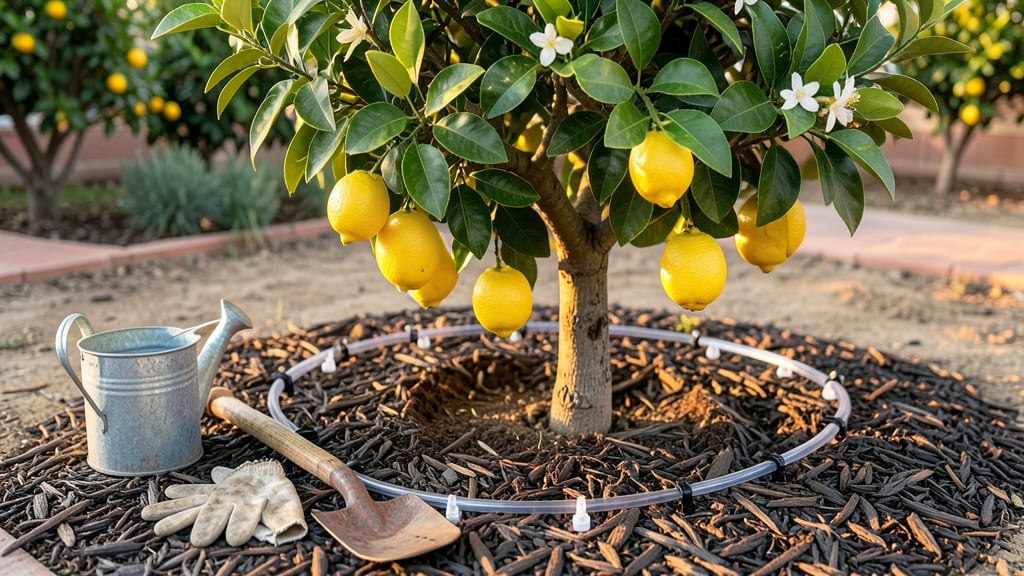
Zone 10 gardening thrives in year-round warm climates, requiring heat-resistant plants like bougainvillea, citrus trees, and succulents, along with deep watering schedules—typically 2-3 times per week—to sustain growth without overwatering during extreme heat.
Zone 10 gardening isn't just about surviving the heat—it's about embracing it. 🌵 The plants that thrive here, like bougainvillea and citrus, have evolved to handle intense sunlight and minimal water, making them perfect for low-maintenance landscapes.
I've seen firsthand how a properly mulched garden can reduce water evaporation by up to 30%, which is a game-changer during summer's peak. The key is mimicking nature's approach: deep watering encourages strong root systems that can withstand droughts, while morning watering prevents fungal issues that come with evening moisture.
What many gardeners overlook is how soil type plays a role. Sandy soils drain quickly, requiring more frequent watering, while clay soils hold moisture longer but can suffocate roots if not amended.
I recommend testing your soil's composition and adjusting your watering schedule accordingly—this small step can dramatically improve plant health. The right plants combined with smart watering practices create a resilient garden that not only survives but thrives in Zone 10's challenging conditions.
💡 In This Article
- Best Heat-Tolerant Plants for Zone 10 Gardens
- Optimizing Watering for Zone 10 Gardens
Best heat-tolerant plants for Zone 10 gardens
Zone 10's relentless sun and minimal rainfall demand plants with specialized adaptations. Bougainvillea, for instance, thrives through its thick, waxy leaves that reduce water loss—studies show these leaves reflect up to 70% of sunlight, preventing overheating.
Its vibrant bracts aren't just decorative; they act as solar reflectors, protecting the core plant structure. Similarly, citrus trees like Meyer lemons have evolved deep root systems that tap into groundwater, allowing them to survive extended dry periods while still producing fruit in temperatures up to 100°F.
The soil preferences of these plants are equally fascinating. Succulents like agave and yucca prefer well-draining, rocky soil that mimics their native desert environments, while citrus thrives in slightly acidic soils with a pH between 6.0-7.0.
What's remarkable is how these plants often share similar sunlight requirements—most need full sun exposure (6+ hours daily) but can tolerate partial shade during peak afternoon heat.
This adaptability makes them ideal for both container gardening and larger landscapes, as they can be strategically placed to maximize sun exposure without requiring constant adjustments.
What sets native Zone 10 plants apart is their drought resistance mechanisms. Native species like California lilac and desert willow have evolved to close their stomata (pores) during the hottest parts of the day, conserving moisture while still allowing photosynthesis.
This is why they often outperform exotic species that haven't adapted to these extreme conditions. For example, a desert willow can survive on as little as 1 inch of water per month once established, while a non-native plant might require weekly watering to survive.
When selecting plants, consider their growth habits too. Vines like passionfruit and jasmine provide shade for other plants while requiring minimal water, creating a self-sustaining microclimate. Meanwhile, ground covers like creeping thyme suppress weeds and retain soil moisture through their dense foliage.
The key is choosing plants that complement each other's water and sunlight needs, creating a balanced ecosystem that thrives without constant intervention.
One often-overlooked factor is how these plants handle humidity. Zone 10's coastal areas have higher humidity than inland deserts, which affects plant selection. Coastal-friendly plants like hibiscus and plumbago can handle more moisture in the air, while desert-adapted plants might struggle.
Understanding your specific microclimate within Zone 10—whether you're near the coast or inland—will determine which plants will flourish with minimal effort.
For maximum success, I recommend starting with these top performers: bougainvillea (drought-tolerant, colorful), citrus trees (fruit-bearing, fragrant), succulents (water-wise, architectural), and native shrubs like California fuchsia (wildlife-attracting, heat-resistant). Each brings unique benefits to your garden while requiring minimal water once established.