
Planting
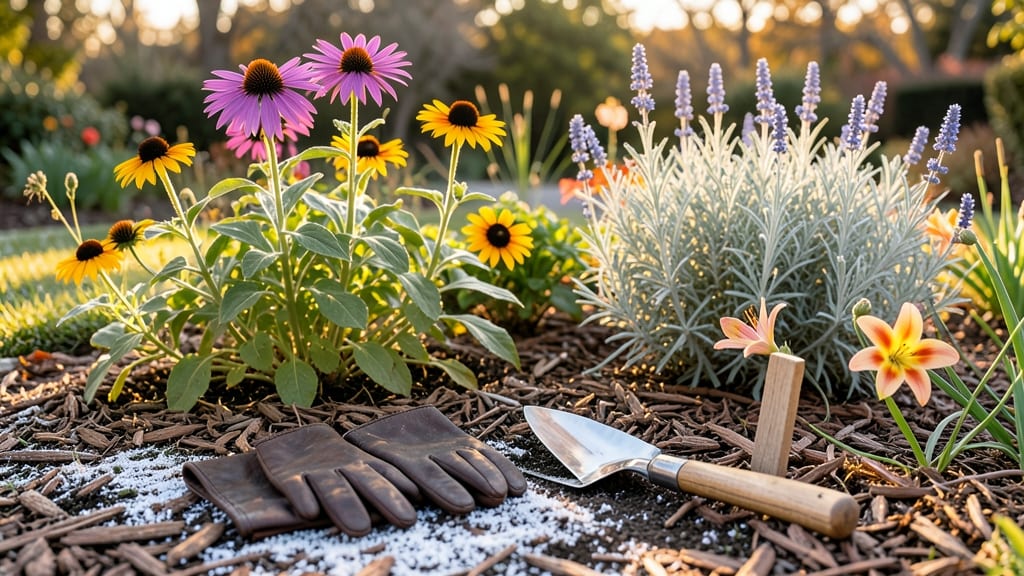
Zone 4B gardening thrives with cold-hardy perennials like coneflowers, lavender, and Russian sage, while frost-tolerant annuals such as snapdragons and pansies survive harsh winters. Layer mulch, use row covers, and plant in microclimates to extend growing seasons and protect plants from late frosts.
In Zone 4B's -25°F to -30°F winters, selecting the right plants means choosing those with deep root systems or protective foliage to shield tender growth. 🌿 I've found that coneflowers and lavender not only survive but thrive because their woody stems store energy through cold snaps, while snapdragons' waxy leaves repel frost damage.
The key is matching plant hardiness to your last frost date—most Zone 4B gardeners can start cool-season crops like kale and spinach as early as mid-April, but always monitor local weather patterns.
For maximum success, focus on mulching strategies that insulate roots—straw or shredded leaves work best—and consider raised beds for earlier planting. Row covers create microclimates that can push growing seasons by 2-3 weeks, while south-facing slopes naturally warm up faster.
The plants that excel here aren't just survivors—they're showstoppers that reward your efforts with vibrant blooms and bountiful harvests year after year.
💡 In This Article
- Understanding Zone 4B Climate and Plant Hardiness
- Best Cold-Hardy Plants for Zone 4B Gardens
Understanding zone 4B climate and plant hardiness
Zone 4B's extreme cold—where winter temperatures plummet to -25°F to -30°F—creates a unique growing environment where only the hardiest plants thrive. The USDA hardiness zone system measures average annual minimum temperatures, but what truly matters in Zone 4B is how plants survive prolonged frost cycles and rapid temperature swings.
For example, while Zone 5A plants might tolerate -15°F, Zone 4B's deeper freeze forces plants to develop specialized survival mechanisms like deep root systems that store energy or woody stems that act as insulation.
Botanical features make all the difference here. Plants like Russian sage have silvery, fuzzy leaves that reflect sunlight and reduce heat loss, while coneflowers develop thick, fibrous roots that penetrate 2-3 feet deep to access moisture and nutrients even when surface soil freezes.
The waxy coating on snapdragon leaves creates a protective barrier that prevents ice crystals from forming, which is why these plants remain vibrant even after 20°F nights. 🌿 These adaptations aren't just about survival—they directly impact growth patterns and flowering cycles, often pushing blooms later into fall when temperatures stabilize.
What sets Zone 4B apart from milder climates is the length of the growing season. Most areas experience only 120-150 frost-free days annually, meaning gardeners must time plantings precisely.
Cool-season crops like spinach and kale can handle light frosts (28°F), while tender vegetables like tomatoes need row covers to extend their season by 3-4 weeks.
The challenge lies in balancing early planting with frost risk—most gardeners wait until mid-May for warm-season crops, but this varies by microclimate.
Microclimates become your secret weapon in Zone 4B. A south-facing slope can add 5-10°F of warmth compared to a north-facing yard, while a brick wall stores heat during the day and radiates it at night. This is why Russian sage thrives against a warm wall while struggling in open fields.
Even small adjustments—like planting near evergreen shrubs—create sheltered pockets where frost lingers 2-3 days less than in exposed areas. 🌡️ Understanding these variations lets you create optimal conditions for frost-sensitive plants.
One common misconception is that all Zone 4B plants must be perennials. While lavender and catmint return yearly, frost-tolerant annuals like snapdragons and pansies actually outperform many perennials in cold climates because their life cycles align with short seasons.
The key is choosing varieties bred for cold tolerance—like 'Matrix' pansies, which survive -20°F—rather than assuming all plants from warmer zones will fail. This strategic selection transforms Zone 4B gardens from challenging to highly productive.
Soil preparation is equally critical. Zone 4B's cold winters mean soil stays frozen longer, so incorporating compost in fall improves drainage and warms up faster in spring. A 3-inch layer of mulch (straw or leaves) insulates roots through winter and prevents soil heaving—a common issue when roots freeze and thaw.
This simple layer can mean the difference between a dead perennial and one that rebounds with vibrant spring growth. The science here is straightforward: warmer soil equals earlier planting, which translates to longer harvests.
For gardeners new to Zone 4B, the biggest lesson is patience. Plants grow slower in cooler climates, so don't rush—wait for soil to reach 50°F before planting warm-season crops.
The reward? A garden that not only survives but thrives against the odds, proving that cold climates can produce some of the most resilient and beautiful landscapes. 💫