
Tools
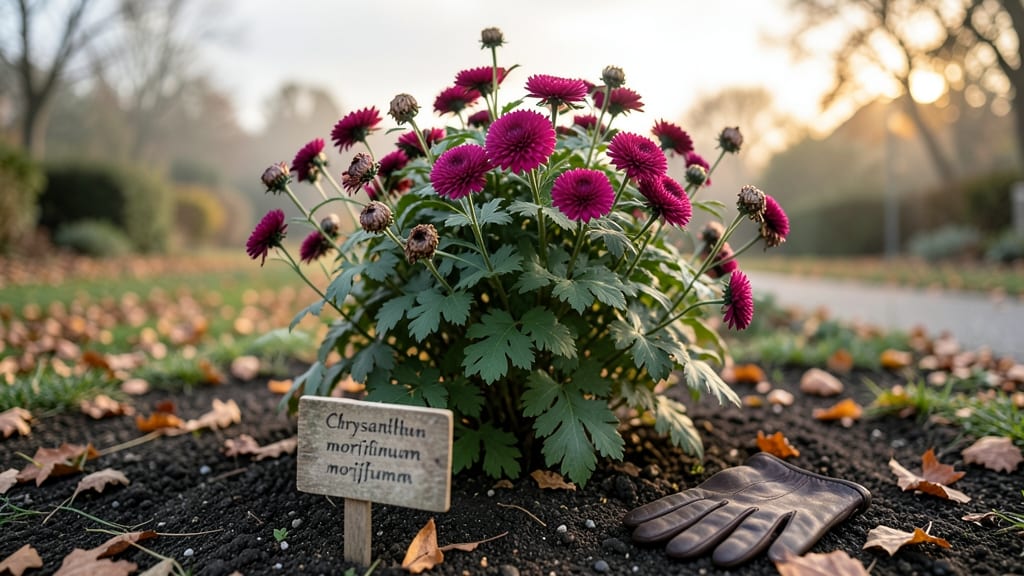
Garden mums will come back yearly if you plant cold-hardy varieties like ‘Autumn Joy’ or ‘Snowball’ in USDA zones 5-9, provide proper winter care with mulching and shade, and protect roots from freezing temperatures.
Perennial mums rely on their crowns—where stems meet roots—to survive winter dormancy, but they need your help to thrive. 🌿 The key is timing: cut back faded blooms in late fall but leave foliage until early winter to protect the crown.
Mulch heavily with straw (not leaves) after the first hard frost, and consider wrapping potted mums in burlap for extra insulation. Even in zone 5, these tough plants can bounce back with the right care—just don’t rush spring pruning until after new growth appears.
What sets hardy varieties apart is their ability to tolerate 10-15°F temperatures without damage, but extreme cold or wet soil can still kill them. I’ve seen ‘Autumn Joy’ survive -20°F with proper mulching, while cheaper annuals won’t make it past 25°F.
The secret? Healthy roots from summer feeding—feed them in early fall with a balanced fertilizer to build winter reserves.
💡 In This Article
- How Cold-Hardy Garden Mums Survive Winter
- Step-by-Step Guide to Overwintering Garden Mums
How cold-hardy garden mums survive winter
Perennial garden mums survive winter through a biological process called crown dormancy, where the plant's growth center (the crown) enters a state of suspended animation. This adaptation allows the plant to endure freezing temperatures by redirecting energy to root storage.
The crown itself contains specialized cells that can withstand 10-15°F without damage, but prolonged exposure to -20°F can still be fatal if roots aren't properly insulated. 🌟
What sets hardy varieties like ‘Autumn Joy’ apart is their thicker, more fibrous root systems that store more carbohydrates for winter survival. These roots can absorb and store up to 30% more energy reserves than annual mums, giving them the fuel needed to regrow in spring.
Soil moisture plays a critical role too—too wet conditions cause roots to suffocate, while dry soil creates insulation gaps. The ideal winter moisture level is 40-60% soil saturation, maintained through proper mulching.
Temperature thresholds vary dramatically between varieties. ‘Snowball’ mums, for example, can tolerate -15°F with proper care, while ‘Autumn Joy’ pushes limits to -20°F in ideal conditions. The key difference lies in their leaf structure—hardy varieties have thicker, waxier leaves that reduce moisture loss during winter desiccation.
This natural adaptation explains why they thrive in zones 5-9 while annual mums (which lack these adaptations) die back completely each winter.
One often-overlooked factor is the plant's photoperiod response. As daylight shortens in fall, mums naturally prepare for dormancy by producing more protective compounds in their crowns.
This process takes about 6-8 weeks, which is why early fall deadheading (removing spent blooms) is crucial—it allows the plant to redirect energy to root and crown development rather than seed production. Without this preparation, even hardy varieties struggle to survive winter's rigors.
The insulation provided by mulch creates a 5-10°F warmer microclimate around the crown and roots. Straw mulch is particularly effective because its air pockets provide both insulation and moisture regulation. In contrast, leaf mulch can compact and create anaerobic conditions that harm roots.
For potted mums, this insulation becomes even more critical since container soil freezes more quickly than ground soil.
What most gardeners don't realize is that the timing of winter care matters just as much as the care itself. Applying mulch too early (before first frost) can actually encourage new growth that will be killed by subsequent cold snaps.
The optimal window is after the first hard frost but before sustained 20°F temperatures. This timing ensures the plant has entered full dormancy while still benefiting from the protective layer.
Consider these biological factors when selecting varieties: hardy mums like ‘Autumn Joy’ and ‘Snowball’ have evolved to handle winter stress through these adaptations, while annual mums lack these survival mechanisms.
The result? With proper care, your perennial mums can live for 5-10 years or more, returning with even more vibrant blooms each autumn. 🌿