
Tools
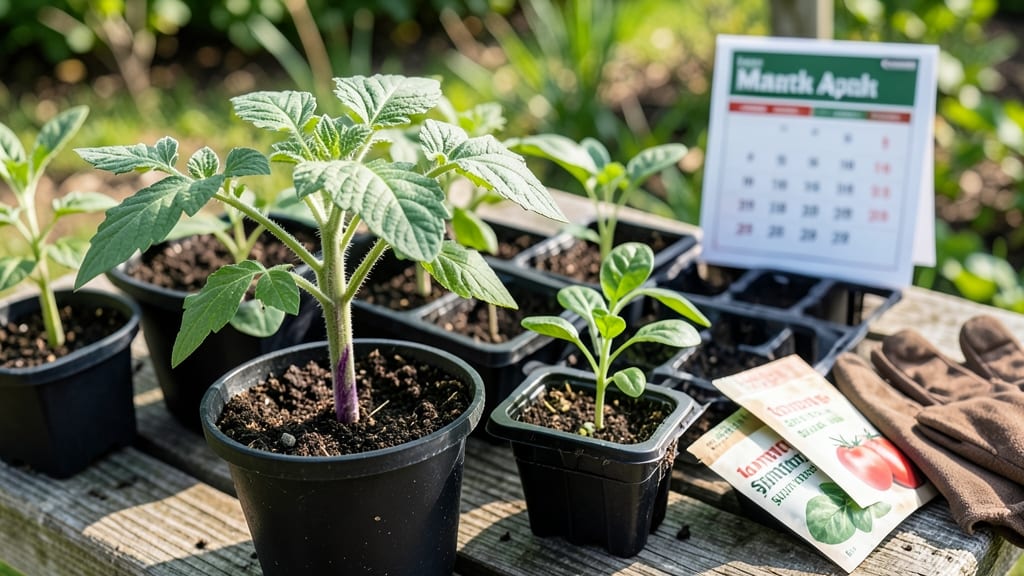
Starting a garden in Ohio means timing your planting to the last frost date, which can vary by as much as three weeks across the state.
Ohio’s unpredictable spring weather can turn a gardener’s excitement into frustration—but timing your planting just right ensures your vegetables thrive from seed to harvest. Miss these zone-specific deadlines, and you’ll risk frost-killed seedlings or stunted growth.
In 6a-6b zones, most gardeners wait until mid-April to start seeds indoors, with direct outdoor planting kicking off around May 1 after soil warms to 50°F. That’s when your lettuce, peas, and spinach hit the ground, while tomatoes and peppers need a head start indoors.
Below, I break down the exact weeks to start each crop, how to prep your soil, and the two-week windows that separate success from disappointment. No more guessing—just a garden that grows.
Ohio planting zones explained: when to start seeds indoors vs. outdoors
Ohio spans USDA zones 5b through 6b, meaning your planting timeline can shift by 2-3 weeks depending on whether you're in northern Toledo (5b) or southern Athens (6b).
These zones dictate when to start seeds indoors and when to plant directly outdoors—timing is everything to avoid frost damage or stunted growth. For example, tomatoes in zone 5b need 8 weeks indoors before transplanting, while zone 6b gardeners can start them 2 weeks later.
Your last frost dates are the golden rule: Northern Ohio (zone 5b) typically sees frost until May 15, while southern Ohio (zone 6b) warms up by April 25. Direct-sowing outdoors should wait until 2 weeks after your zone’s last frost date.
For instance, peppers can’t handle temperatures below 50°F, so zone 5b gardeners must wait until late May—while zone 6b can plant them in early May.
Here’s your zone-specific comparison for starting seeds indoors vs. outdoors, including temperature thresholds for germination and transplanting. Use this as your planting calendar to maximize yields and avoid common Ohio gardening mistakes.
| Zone | Last Frost Date | Start Indoors (Weeks Before Last Frost) | Direct Sow Outdoors (After Last Frost) | Soil Temp Threshold (°F) | Example Crops |
|---|---|---|---|---|---|
| 5b (Northern OH) | May 15 | Tomatoes: 8-10 wks Peppers: 10-12 wks Broccoli: 6-8 wks |
Peas: April 1 Lettuce: April 15 Beans: May 20 |
50°F (min) 60°F (ideal) |
Tomatoes, Peppers, Cabbage, Spinach |
| 6a (Central OH) | April 25 | Tomatoes: 6-8 wks Peppers: 8-10 wks Eggplant: 10-12 wks |
Peas: March 20 Carrots: April 1 Cucumbers: May 10 |
55°F (min) 65°F (ideal) |
Peppers, Eggplant, Zucchini, Radishes |
| 6b (Southern OH) | April 15 | Tomatoes: 4-6 wks Peppers: 6-8 wks Basil: 4-6 wks |
Onions: March 15 Lettuce: March 25 Squash: April 20 |
60°F (min) 70°F (ideal) |
Basil, Cucumbers, Melons, Green Beans |
Notice how soil temperature is just as critical as air temperature. For instance, cucumbers won’t germinate below 60°F, so zone 5b gardeners must wait until late May to direct-sow, while zone 6b can plant them in early April.
Use a soil thermometer to confirm readiness—cold soil delays germination and weakens seedlings.
For warm-season crops like tomatoes and peppers, starting seeds indoors gives you a 4-8 week head start before transplanting outdoors. In zone 5b, begin tomato seeds indoors by March 1 (10 weeks before last frost) to ensure they’re stocky and 6 inches tall by transplant time.
Skip this step, and you’ll risk leggy, weak seedlings that struggle to recover.
Cool-season crops like spinach and kale can handle Ohio’s early spring chill, but they must be sown 6-8 weeks before last frost. Zone 5b gardeners can direct-sow spinach by March 15, while zone 6b can start even earlier in mid-February.
These crops thrive in 50-60°F soil and bolt (go to seed) quickly if temperatures rise above 75°F.
Ohio’s microclimates add another layer of complexity. Urban areas like Columbus often warm up 1-2 weeks earlier than rural zones due to heat islands, while lake-effect zones near Erie may experience late May frosts.
Adjust your timeline by 1 week earlier in urban areas and 1 week later near water bodies. Always have row covers or a cold frame on hand for unexpected late frosts.
Pro tip: Use biodegradable seed starters for indoor seeds to avoid transplant shock. These pellet-like pods dissolve in soil, giving seedlings a gentler transition when you transplant them outdoors. Pair this with hardening off (acclimating seedlings to outdoor conditions over 7-10 days70% to
Ohio’s 3 critical planting windows: what to sow when for maximum yield
Ohio’s three distinct planting windows are your secret weapon for a bountiful harvest. Each season demands a different approach—whether you’re rushing to beat spring frosts or extending the growing season into fall. Miss these windows, and you’ll end up with sad, stunted plants or wasted seeds.
Let’s break down the 7-day critical periods that separate thriving gardens from disappointing ones.
First up is the early spring window (mid-March to early April), where cold-hardy crops like peas, spinach, and kale take center stage. These resilient plants can handle Ohio’s late frosts and even thrive in cooler soil temperatures.
Plant them too late, though, and they’ll bolt or produce bitter flavors. Urban gardeners in cities like Columbus may need to wait 1-2 weeks longer than rural areas due to heat island effects.
Next comes the late spring window (mid-April to early May), the most competitive period for warm-season crops like tomatoes, peppers, and cucumbers. This is when you’ll want to have your seedlings ready—either from indoor starts or nursery-bought plants.
Transplant them within a 7-day window after your last frost date, or risk shock from sudden temperature swings. Succession planting every 2 weeks ensures a steady harvest.
When: Mid-March to early April
Plants: Peas, spinach, kale, lettuce, radishes
Soil Temp: 40-50°F
Pro Tip: Use row covers for extra frost protection
When: Mid-April to early May (after last frost)
Plants: Tomatoes, peppers, cucumbers, beans, squash
Soil Temp: 60°F+ (use soil thermometer)
Pro Tip: Harden off seedlings for 7-10 days before transplanting
When: Mid-August to early September
Plants: Broccoli, carrots, Brussels sprouts, garlic
Soil Temp: 50-60°F
Pro Tip: Plant 6-8 weeks before first frost for harvest
Don’t overlook the fall planting window (mid-August to early September), which lets you squeeze in a second harvest of cool-season crops like broccoli and carrots.
These plants need time to mature before Ohio’s first frost (typically mid-October), so plan accordingly. Succession plant every 2 weeks in late summer to stagger harvests and avoid glut.
Ohio’s microclimates can throw off your timing, especially if you’re gardening in urban areas. Rural gardens often enjoy 2-3 warmer weeks than cities due to less concrete and pavement.
Use a soil thermometer and monitor local weather forecasts for frost advisories. Adjust your planting dates by 1-2 weeks if you’re in a heat-prone microclimate.
Pro tip: Mark your calendar for these 7-day critical windows—they’re your garden’s golden opportunities for maximum yield. Whether you’re a beginner or veteran gardener, sticking to these deadlines ensures your plants get the best possible start. Happy planting! 🌱