
Planting
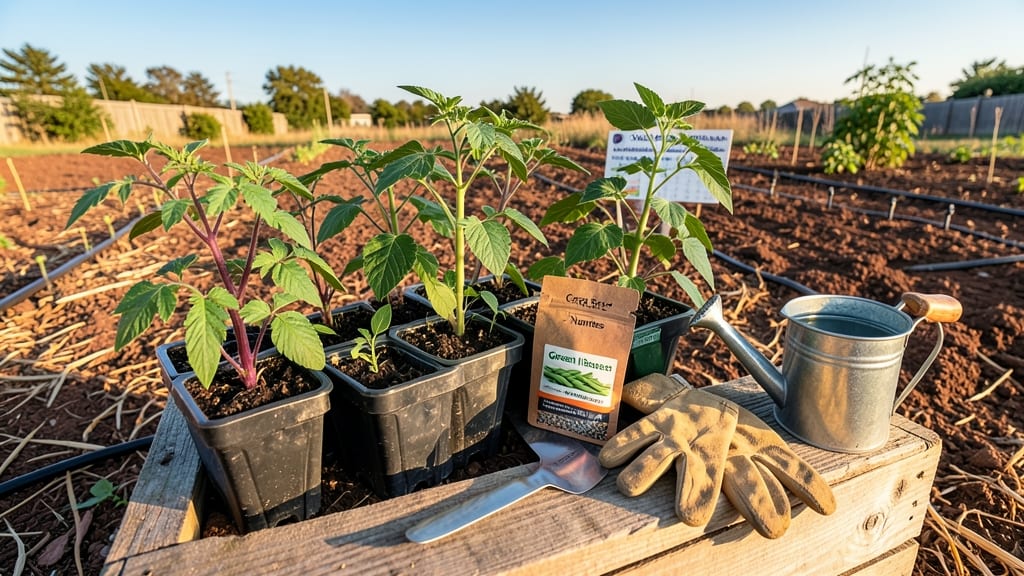
Planting a vegetable garden in Oklahoma at the right time means the difference between a bountiful harvest and a sad pile of wilted seedlings—so timing is everything, especially with zones 6b–8a throwing curveballs every year.
Picture this: You’ve spent weeks prepping your soil, only for a late frost to turn your 🌱 seedlings into confetti. Or worse, you plant too late, and the summer heat roasts your tomatoes before they ripen.
Oklahoma’s weather is as unpredictable as it is generous, which is why knowing the exact windows for cool-season and warm-season crops is non-negotiable.
Whether you’re in the cooler hills of Zone 6b or the toasty plains of Zone 8a, the sweet spot for planting shifts based on frost dates, soil temps, and even your garden’s microclimate.
Below, I break down the zero-failure dates for everything from lettuce to okra—plus how to adjust when Mother Nature throws you a curveball.
Skip the guesswork and learn how to align your planting schedule with Oklahoma’s quirks, so your garden doesn’t just survive the season—it thrives in it.
Oklahoma planting zones & exact start dates for cool-weather vegetables (2024 guide)
Oklahoma’s USDA Zones 6b–8a create a unique gardening challenge—cool mountain valleys in the north contrast sharply with hot, dry plains in the south. Last frost dates vary wildly, from March 15 in Zone 6b to April 15 in Zone 8a, forcing gardeners to adapt. Cool-season vegetables like lettuce and broccoli thrive in these early windows, while heat-tolerant varieties become essential for Zone 8a gardeners by late spring.
Timing is everything in Oklahoma. Plant too early, and a late frost will wipe out seedlings—I’ve seen it happen in Zone 7a as late as April 10.
Plant too late, and bolting lettuce or bitter spinach ruin your harvest. The key? Zone-specific planting windows paired with microclimate awareness (e.g., urban areas warm faster than rural spots).
Below is your 2024 Oklahoma planting calendar for cool-weather vegetables, broken down by zone. Use these exact start dates to maximize yields and avoid common pitfalls like fungal diseases from wet springs or heat stress in Zone 8a.
For Zone 6b gardeners, start peas and spinach as early as February 20 under row covers to extend the season. In Zone 8a, shift to heat-tolerant varieties like Jericho lettuce or Malabar spinach after April 15 to avoid bolting.
My Zone 7b garden in Oklahoma City thrives with succession planting—sowing radishes every 2 weeks from March to May ensures a continuous harvest.
Pro tip: Use Oklahoma State University’s frost maps (available via their Extension Office) for hyper-local adjustments. For example, Tulsa’s urban heat island can delay last frosts by 3–5 days compared to rural areas. Test soil temperatures—cool-season crops need 40–50°F soil to germinate reliably.
If you’re in Zone 8a, focus on shade-loving varieties like ‘Black Seeded Simpson’ lettuce or ‘Georgia Southern’ collards. These handle 90°F+ days better than standard types. I’ve also had success with fall planting of broccoli and cabbage in late July—they bolt less in the mild September–October temperatures.
For urban gardeners, container growing extends options. Dwarf varieties like ‘Little Gem’ lettuce or ‘Sugar Snap’ peas thrive in pots and can be moved indoors if unpredictable heat waves strike early. Always harden off seedlings for 7–10 days before transplanting to avoid shock.
Remember: Oklahoma’s weather is fickle. Keep a planting
How to adjust planting times for Oklahoma’s unpredictable weather patterns
Oklahoma’s weather can shift from freezing nights to scorching afternoons in a single week, making planting timing a high-stakes game. My Zone 7b garden learned this the hard way—until I adopted these weather-proofing strategies.
The key? Flexible planting schedules that account for late frosts, heatwaves, and unpredictable rainfall.
Start by tracking your local average last frost date, but always have a backup plan. For example, in Zone 6b, the last frost typically arrives by April 15, but I’ve seen it linger until May 1.
That extra month can mean the difference between a thriving garden and wilted seedlings. Here’s how I adjust my planting calendar to stay ahead of Oklahoma’s whims.
⚠️ callout warning
Don’t fall for mild March days—Oklahoma’s average last frost can still hit April 15–May 1, even if temps feel spring-like. Solution: Use row covers or wait until May 10 for heat-loving crops like tomatoes and peppers in Zone 7b.
Pro Tip: Plant cold-hardy crops (e.g., kale, spinach) 4–6 weeks before your last frost date, then succession plant every 2 weeks for continuous harvests.
One of my biggest wins came from succession planting. Instead of planting all my bush beans at once, I staggered them in 2-week intervals from May 1–June 1. This ensured a steady supply even if a heatwave struck early.
For Zone 8a, I extended my fall planting into early October by choosing heat-resistant varieties like Malabar spinach and collard greens, which tolerate 85°F+ temps better than standard lettuce.
Row covers are my secret weapon against late frosts and pest pressure. A lightweight floating row cover (like Agribon) adds 2–4°F protection and can push planting dates 2–3 weeks earlier.
I use them over broccoli and cauliflower until April 30, then remove them once nighttime temps stay above 40°F. For Zone 6b, this means earlier harvests by 3–4 weeks.
Heatwaves are another Oklahoma challenge. To beat the summer slump, I focus on shade-loving crops like Swiss chard and amaranth, which thrive in partial shade and high humidity. For sun-worshipers, I water deeply in the early morning to reduce stress and mulch heavily with straw to retain moisture.
This combo lets me grow tomatoes and peppers even in 95°F+ heat.
My Zone 7b case study proves these tweaks work: By combining succession planting, row covers, and heat-resistant varieties, I extended my green bean harvest from 6 weeks to 12 weeks.
The secret? Adaptability. Oklahoma’s weather won’t change, but your planting strategy can. Start with small batches, monitor forecasts, and adjust on the fly.
Remember: No single date works for all. Check Oklahoma State University’s frost maps annually, and when in doubt, plant later. Your seedlings will thank you—and so will your dinner plate. 🌱