
Planting
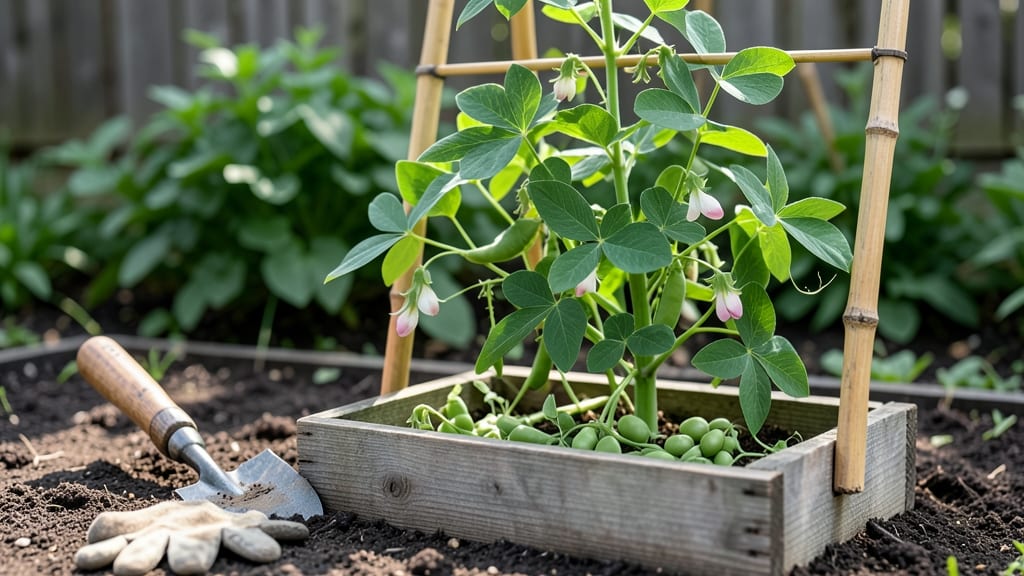
To plant garden peas at the perfect time means catching them between frost and summer heat—early spring is your best bet, but late summer can work too if you act fast.
Garden peas 🌱 thrive in cool weather, but planting them too early or too late can mean the difference between a bountiful harvest and wasted effort—here’s the exact timing you need for maximum success.
In Zone 6a, like most of the U.S., aim for 4–6 weeks before your last frost date (around early March to mid-April). This gives them time to mature before summer’s heat sets in, while still avoiding frozen soil.
Below, I’ll break down the best months for your region, how to prep soil for fast germination, and whether a fall crop is worth the risk—spoiler: it can be, if you time it right.
Optimal planting windows for garden peas by US hardiness zone
Garden peas (🌱) are one of the first cool-season crops I plant each year, and timing is everything. Unlike heat-loving veggies, peas thrive when temperatures hover between 40°F and 75°F. Plant them too early in freezing soil, and seeds rot; too late, and summer heat stunts growth.
Your USDA hardiness zone dictates the perfect window—whether it's early spring or late summer/fall—for a productive harvest.
Most gardeners focus only on spring planting, but peas also excel in fall crops in warmer zones. The key is avoiding soil temps above 80°F or below 40°F, which stress young plants.
Let's break down the best planting times for each zone, including frost tolerance thresholds to extend your harvest season.
🌱 Pro Tip: Use a soil thermometer to confirm temperatures before planting. Pea seeds need 40-75°F soil for best germination.
| Zone | Spring Planting Window | Fall Planting Window | Frost Tolerance | Notes |
|---|---|---|---|---|
| 3-5 | Early March to mid-April | Late July to early August | Survives 20°F with mulch | Plant 4-6 weeks before last frost; fall crop needs 90 days to harvest before first frost. |
| 6-7 | Mid-March to early May | Mid-August to early September | Survives 15°F briefly | Avoid summer heat—plant fall crop 8 weeks before first frost. |
| 8-9 | February to early April | September to mid-October | Survives 25°F with protection | Fall planting works best in cooler microclimates. |
| 10 | January to March | October to November | Survives 30°F with mulch | Extend season with row covers for winter harvests. |
In zones 3-5, I always prioritize spring planting because fall crops rarely mature before the first frost. However, in zones 6-10, fall planting becomes a game-changer for a second harvest.
For example, in zone 7, planting in late August gives you peas by October before winter sets in.
For early spring plantings, aim to sow seeds 4-6 weeks before your last frost date. This gives plants enough time to establish roots before warmer weather arrives.
In warmer zones (8-10), you can even plant peas in winter for a spring harvest, using row covers to protect against light frosts.
If you're in a hotter climate (zones 9-10), focus on fall planting to avoid summer heat. Start seeds indoors 8 weeks before your first frost and transplant outdoors when soil temps drop below 80°F. Varieties like 'Sugar Snap' or 'Wando' handle heat slightly better than others.
⚠️ Warning: Never plant peas when nighttime temps exceed 75°F—growth slows, and pods become stringy. Use shade cloth if summer planting is unavoidable.
To maximize your harvest, consider succession planting every 2-3 weeks during your zone's optimal window. This ensures a steady supply of fresh peas instead of a single overwhelming harvest.
For example, in zone 6, I plant my first batch in March, then follow up in April and May for a prolonged yield.
Remember, peas are self-supporting climbers, so give them a trellis or fence to climb. This saves space and improves air circulation, reducing disease risk. Whether you're in frost-prone zone 3 or mild zone 10, these planting windows will help you grow sweet, tender peas all season long.
Signs your soil and weather are perfect for planting peas
Garden peas are finicky about timing—plant them too early, and frost will kill tender seedlings. Too late, and summer heat sends them into a growth slump. The secret to success lies in soil temperature, moisture balance, and weather forecasts that align with their cool-season needs.
Before you grab those pea seeds, here’s how to check if conditions are ideal.
First, test your soil temperature. Peas thrive when soil stays between 40°F and 75°F. Use a soil thermometer (or your finger—cold but not freezing is the sweet spot).
If temps dip below 40°F, germination slows dramatically. Wait until morning soil temps consistently hit 50°F or warmer for reliable sprouting.
⚠️ callout-warning ⚠️
⚠️ Avoid These Pea-Planting Pitfalls
- Cold, wet soil: Causes rot before seeds even sprout. Wait for 50°F+ soil temps.
- Summer heat: Peas bolt (flower prematurely) above 80°F. Plant early spring or late summer.
- Dry conditions: Seeds need consistent moisture to germinate—water deeply before planting.
Pro Tip: Check your local 10-day forecast for stable temps before sowing.
Next, focus on moisture levels. Peas hate drying out, but they also despise soggy soil. Aim for well-drained, slightly moist conditions—like a wrung-out sponge. Before planting, water the area deeply to 12 inches down.
This ensures seeds stay hydrated during germination, which can take 7–14 days depending on variety and temps.
Don’t overlook the weather forecast. Peas need cool, stable conditions for the first 3–4 weeks after planting. If your area is predicting unseasonable heat waves or heavy rain in the next two weeks, delay planting.
A sudden heat spike above 85°F will send your peas into a panic, causing them to flower and set pods too quickly—often before you can harvest.
Finally, pay attention to light availability. While peas tolerate partial shade, they grow best with 6+ hours of sunlight daily. If your garden spot gets afternoon shade, opt for bush varieties like 'Little Marvel'—they’re more compact and less affected by light fluctuations than vining types.
Test your spot now: If leaves on nearby plants are sparse or yellowing, it might not be ideal.
When all these signs align—soil at 50°F+, moist but not soggy, and cool, stable weather ahead—your peas are ready to go in the ground. Mark your calendar for 4–6 weeks before your last frost date to maximize your spring harvest.
And if you’re planting for a fall crop, aim for 60–70 days before your first frost to catch that sweet window.