
Planting
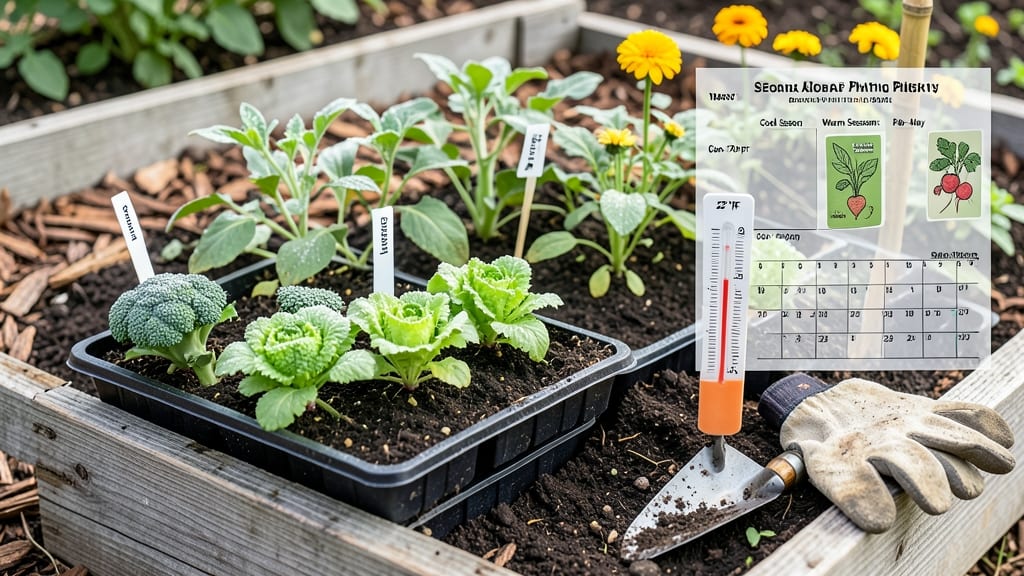
Planting your garden in Virginia at the right time means the difference between a bumper crop and a sad, wilted disappointment 🌱—and the exact window depends on where you live.
Virginia’s diverse climate—from the humid Piedmont to the coastal plains—means your planting timeline can vary by hundreds of days. Get the exact frost-free dates for your microclimate zone to maximize your garden’s success this year.
Cool-season crops like lettuce and spinach need to go in the ground 4-6 weeks before your last frost, while tomatoes and peppers can’t handle a chill and must wait until 2-3 weeks after the danger has passed.
Below, I break down the 2024 planting schedule by region, plus how to adjust for late frosts, early heatwaves, and other Virginia-specific quirks that can throw off even the best-laid plans.
Virginia’s planting zones: frost dates by region (2024 guide)
Virginia’s gardening success starts with knowing your last frost date. With 6 distinct microclimates, your planting timeline could differ by up to 6 weeks between northern mountains and southern coasts.
Urban areas like Richmond often experience warmer microclimates than rural zones just 10 miles away, creating unique challenges for gardeners.
Understanding these variations helps you avoid late spring frosts that can devastate tender seedlings or miss the fall planting window for cool-season crops. The Virginia Cooperative Extension tracks historical data, but local conditions—like elevation changes in the Blue Ridge Mountains—can shift these dates by 1-2 weeks.
Here’s how to navigate Virginia’s 6 key planting zones, including their average last frost dates, first frost dates, and urban heat island exceptions that might extend your growing season.
🌱
| Zone | Last Frost Date | First Frost Date | Frost-Free Days | Urban Heat Note |
|---|---|---|---|---|
| Coastal Plains | March 15 - April 1 | November 1 - November 15 | 210-240 days | +5-7 days (urban areas like Norfolk) |
| Tidewater | March 20 - April 5 | November 5 - November 20 | 220-250 days | +3-5 days (Virginia Beach) |
| Piedmont | April 1 - April 15 | November 10 - November 25 | 190-220 days | +2-4 days (Richmond) |
| Blue Ridge | April 15 - May 1 | October 15 - November 1 | 160-190 days | -3 to +2 days (elevation varies) |
| Shenandoah Valley | April 20 - May 5 | October 20 - November 5 | 150-180 days | -2 to 0 days (Winchester) |
| Appalachian Plateau | May 1 - May 15 | October 5 - October 20 | 140-170 days | -5 days (higher elevations) |
If you’re gardening in Northern Virginia (like Arlington or Alexandria), your last frost typically arrives around April 10, but urban heat can push it to March 25 in paved areas.
Meanwhile, gardeners in Southside Virginia (like Danville or Martinsville) often see their last frost as early as March 15, giving them a 3-week head start on planting warm-season crops like tomatoes and peppers.
For elevation-sensitive zones like the Blue Ridge Mountains, frost dates can shift dramatically. At 3,000 feet in Luray, expect your last frost around May 1, while Roanoke (lower elevation) averages April 15.
Always check local almanac records or use frost-sensitive plants like tender basil as natural indicators.
Pro tip: Use row covers or cold frames to extend your spring planting window by 2-3 weeks in cooler zones. In urban heat islands, monitor nighttime temperatures—some areas can drop 10°F colder than nearby suburbs, risking frost damage to tender seedlings.
🌿
To refine your planting schedule, consider historical weather patterns. For example, the Shenandoah Valley has seen late frosts as late as May 10 in 20% of years, while the Coastal Plains rarely experience frosts after November 15.
Always have backup seeds ready for unpredictable weather, especially if you’re planting warm-season crops like squash or cucumbers.
For perennial plants like lavender or rosemary, timing matters less, but establishing them <
Best planting calendar for Virginia gardens: what to sow when
Timing is everything in Virginia gardening, where last frost dates can swing by weeks depending on whether you're in the Tidewater region or the Blue Ridge Mountains.
I’ve broken down the ideal planting windows for your garden’s cool-season and warm-season crops, so you can plan ahead for a bountiful harvest.
For cool-season crops like lettuce and spinach, start seeds indoors 4-6 weeks before your last frost—typically in February or early March for most of Virginia. Warm-season favorites like tomatoes and peppers need to wait until 2-3 weeks after your last frost, usually mid-April to early May in the Piedmont and later in the mountains.
Don’t forget to adjust for microclimates—urban areas like Richmond may warm up faster than rural spots, while higher elevations like Roanoke can have later frost dates. Use row covers to protect early plantings from unexpected cold snaps, especially in April or May.
For perennials, like herbs or ornamental grasses, the best time to plant is in spring or early fall when the soil is warm but not scorching.
This gives roots time to establish before winter dormancy. My go-to perennials for Virginia gardens include lavender, thyme, and daylilies, which thrive with minimal fuss once planted.
Pro tip: Keep a gardening journal to track your local frost dates and adjust future planting schedules. Over time, you’ll fine-tune your garden’s rhythm to Virginia’s unpredictable weather patterns—because even in the same state, a 5-degree difference can mean weeks of growth advantage! 🌱