
Planting
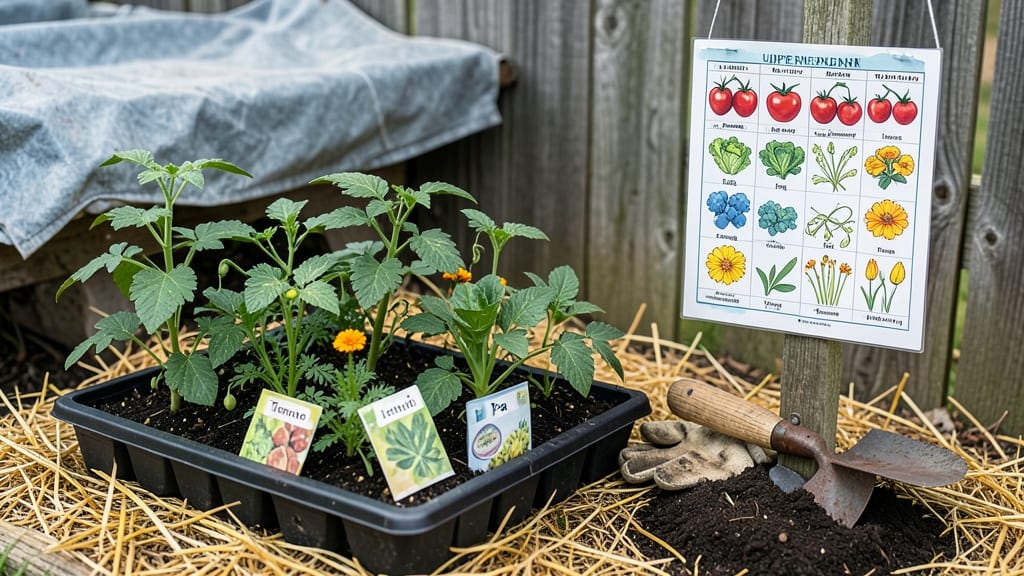
Planting a garden in Michigan means timing your 🌱 crops right to avoid frost or wasted effort—spring is your best bet, but late summer and fall have their own opportunities for cold-hardy plants.
Michigan’s unpredictable frost dates can make or break your garden—plant too early, and your seedlings freeze; too late, and you miss peak harvests. But with the right timing, you can grow a thriving garden even in the Great Lakes’ variable climate.
For most vegetables and flowers, the ideal window is after the last average frost in April or May, but perennials and cool-season crops like spinach or peas can go in as early as March. Meanwhile, late summer and fall planting works for hearty greens and root crops.
Below, I break down the exact frost-free dates by region, which crops thrive in Michigan’s 5b-6b zones, and how to stretch your growing season with row covers and soil prep tricks.
Michigan’s frost zones & last-average-frost-date maps for optimal planting
Michigan’s gardening success hinges on understanding its USDA hardiness zones (4a-6b) and average last frost dates. These factors determine when to plant frost-sensitive crops like tomatoes and peppers without risking damage. Northern Michigan (zone 4a) faces later frost dates, while southern regions (zone 6b) enjoy earlier planting windows.
For zero-frost-risk planting, use Michigan’s last average frost dates as your guide. These dates vary by region—typically mid-April to late May—but can shift weekly due to lake effects and microclimates.
Warmer southern Michigan often sees frost-free conditions by April 15th, while northern areas may wait until May 15th or later.
Here’s a quick reference for Michigan’s USDA zones and frost-free periods, including how they impact your planting timeline:
| USDA Zone | Region | Last Avg. Frost Date | Frost-Free Days | Safe Planting Window |
|---|---|---|---|---|
| 4a | Upper Peninsula, Northern Lower MI | May 10–20 | 120–130 days | After May 20 (use row covers) |
| 5a | Northern MI (Traverse City, Gaylord) | May 1–10 | 130–140 days | After May 10 |
| 5b | Central MI (Lansing, Grand Rapids) | April 25–May 5 | 140–150 days | After May 1 |
| 6a | Southern MI (Detroit, Ann Arbor) | April 15–25 | 150–160 days | After April 20 |
| 6b | Southeast MI (Toledo, Kalamazoo) | April 10–20 | 160–170 days | After April 15 |
For warm-season crops like tomatoes, peppers, and cucumbers, wait until soil temperatures reach 50°F (10°C) and nighttime lows stay above 55°F (13°C). Use a soil thermometer to monitor—cold soils delay germination and stunt growth.
Michigan’s Great Lakes influence creates microclimates. Lakeshore areas (like Traverse City) warm faster in spring, while inland zones (like Houghton) lag behind. Check local Almanac frost date calculators or use the Michigan State University Extension maps for hyper-local adjustments.
Pro tip: Start heat-loving plants indoors 6–8 weeks before your last frost date. Harden off seedlings gradually to avoid transplant shock when moving them outdoors. For cool-season crops like spinach or kale, plant in early spring or late summer for fall harvests.
First-time gardeners often overlook fall planting. Many cool-hardy crops thrive when planted in August or early September, producing harvests before winter sets in. Examples include broccoli, carrots, and radishes, which tolerate light frosts.
To extend your growing season, consider row covers or cold frames to push planting dates earlier by 2–4 weeks. These tools create microclimates that protect tender seedlings from late spring frosts, giving you a head start on the season.
Always verify frost dates annually—they shift with climate patterns. Bookmark the National Oceanic and Atmospheric Administration (NOAA) frost probability maps for real-time updates. With precise timing, Michigan’s short growing season becomes an advantage, not a limitation!
Best planting timelines for Michigan’s most popular vegetables & flowers
Michigan’s short growing season demands precision timing to maximize your garden’s potential. I’ve planted everything from peas to tomatoes here, and I’ve learned that cold-hardy crops and warm-season plants each have their ideal windows.
The key is understanding when to start seeds indoors, when to direct-sow outdoors, and how to use succession planting to stretch harvests until frost.
For cool-season vegetables like spinach and kale, I start seeds indoors in March and transplant after the last frost—typically mid-April to early May in most of Michigan.
Meanwhile, warm-season favorites such as peppers and eggplants need to wait until soil temperatures hit 60°F, usually late May to early June. Flowers like marigolds and cosmos can handle a bit more flexibility, but timing still matters for vibrant blooms.
🌱 Michigan Planting Timeline Highlights
- March: Start cold-hardy seeds (spinach, peas, lettuce) indoors; transplant hardy perennials like asparagus crowns.
- April: Direct-sow peas, radishes, and potatoes after soil thaws; set out cold frames for early broccoli and cabbage.
- May: Plant warm-season veggies (beans, squash, cucumbers) after last frost; succession-sow lettuce every 2 weeks.
- June: Transplant tomatoes, peppers, and eggplants (started indoors in March); sow fall crops like kale and carrots.
- July-August: Succession-plant bush beans and summer squash for extended harvests; direct-sow flower seeds for fall blooms.
- September: Plant garlic and onion sets for next year; sow hardy greens (spinach, arugula) for fall/winter harvests.
One of my biggest successes came from succession planting lettuce every 2 weeks in May and June. This kept us with fresh greens until early October, long after most gardens had given up.
For warm-season crops, I use black plastic mulch to warm the soil faster, letting me plant tomatoes and peppers a week earlier in Zone 6 areas.
Flowers like zinnia and sunflower are forgiving—they self-sow easily—but I’ve found that planting annuals in early June gives them enough time to establish before Michigan’s fall frosts hit.
For perennials, I divide and transplant in early spring or early fall when the soil is still warm but not baking hot.
Don’t forget about fall planting! I’ve had great luck with garlic and spinach planted in September. These crops thrive in cooler weather and often produce sweeter flavors after a light frost. Just be sure to use row covers if an early frost sneaks in.
Pro tip: Keep a garden journal to track your local frost dates and adjust planting times each year. Michigan’s climate shifts, and what worked in 2022 might need tweaking for 2024. With the right timing, you can turn even the shortest growing season into a bountiful harvest! 🌱