
Picking
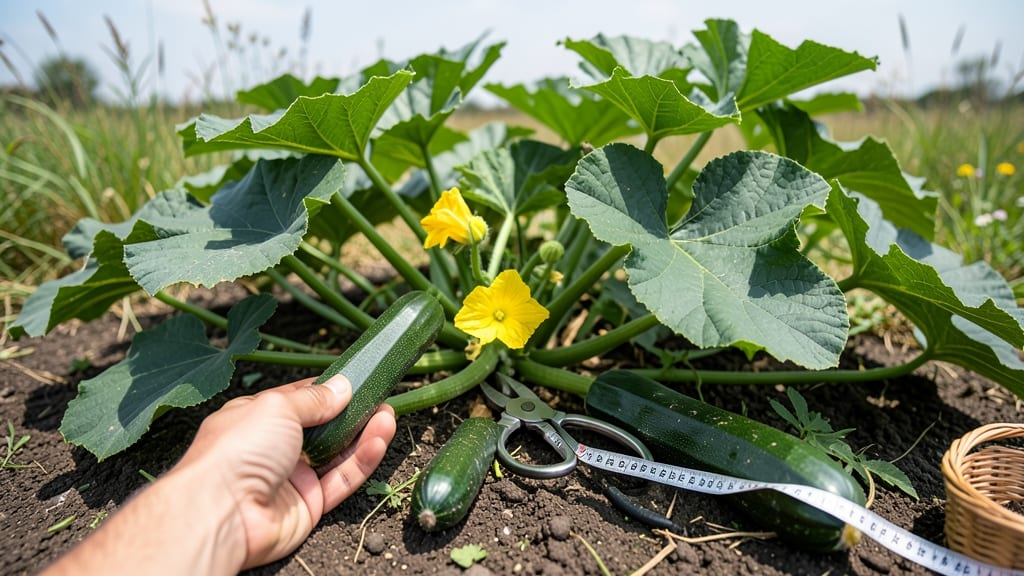
Picking zucchini from your garden at the right time means the difference between a tender, flavorful vegetable and a tough, seedy one.
Zucchini plants can go from tiny seedlings to a prolific harvest in just a few weeks—but knowing exactly when to pick them makes all the difference between a tender, delicious vegetable and a tough, seedy mess.
You might think bigger is better, but zucchini left too long on the vine become woody and bitter. Instead, look for three key signs: size, skin texture, and color. Harvesting at the right moment keeps your plants producing and ensures your kitchen gets the best flavor.
Below, I’ll walk you through the ideal size and texture cues, how often to pick for continuous harvests, and what to do if you miss the window. Plus, a few simple storage and recipe ideas to make the most of your garden’s bounty.
3 Clear visual signs your zucchini is ready for harvest
Harvesting zucchini at the perfect moment transforms your garden into a bounty of tender, flavorful vegetables. But how do you know when those 6-inch giants are truly ready? Many gardeners wait too long, ending up with seedy, tough zucchini that's less enjoyable to eat.
The key lies in three simple visual cues: size, color, and texture. Mastering these will ensure you enjoy the best flavor and texture from every harvest.
I’ve learned the hard way—once I let a zucchini grow past 8 inches because I missed the signs, and it turned into a woody, oversized monster. Now, I check these three indicators religiously.
The good news? Once you know what to look for, harvesting becomes second nature. Let’s dive into the exact visual clues that mean your zucchini is begging to be picked.
-
1. Size: 6-8 inches long
Zucchini should be 6 to 8 inches from blossom end to stem end. Any smaller (under 4 inches) and they’re still growing; any larger (over 10 inches) and they’ll be tough and seedy. Use a tape measure or compare to a standard ruler for accuracy.
-
2. Color: Deep and consistent
Look for a uniform, vibrant color—whether deep green or golden yellow, depending on your variety. Pale or uneven patches mean it’s not fully ripe. Pro tip: Check the stem end—it should match the rest of the zucchini’s hue.
-
3. Texture: Slight give when pressed
Press your thumbnail into the zucchini’s skin. If it resists slightly but still yields, it’s ready. If the skin dents easily, it’s underripe; if it feels hard and unyielding, it’s overripe. The skin should also snap cleanly when you bend the stem.
One mistake I see often is picking based on size alone. A zucchini might be 6 inches long but still pale or soft—this means it’s not fully mature. Always check all three cues to avoid disappointment.
For example, my ‘Black Beauty’ zucchini turns a deep, glossy green when ready, while my ‘Golden Zucchini’ develops a rich yellow hue. Pay attention to your specific variety’s color cues.
Another pro tip: Harvest in the morning when zucchini are cool and crisp. Use a sharp knife or pruners to cut the stem, leaving about 1 inch attached to the fruit. This prevents damage to the plant and encourages more production.
I’ve found that harvesting every 2-3 days keeps my plants focused on producing new fruit instead of letting zucchini grow into foot-long monsters.
If you’re new to growing zucchini, start by marking your calendar for 60-75 days after planting, as this is the typical harvest window. But don’t rely solely on days—always check the visual signs.
For instance, my early-season zucchini might be ready in 55 days if conditions are perfect, while late-season varieties could take 80 days in cooler climates. Flexibility is key!
What if you miss the window? No worries—underripe zucchini can still be used in cooking (think soups or stir-fries), while overripe ones are great for baking or making zucchini bread.
But honestly, nothing beats that fresh, tender crunch of a perfectly timed harvest. Once you master these three signs, you’ll never waste another zucchini again.
Remember, the more you harvest, the more your zucchini plant will produce. It’s a self-perpetuating cycle: pick often, and you’ll enjoy a continuous supply all season long. Happy harvesting!
Zucchini harvest timing: how often to pick for maximum yield
Harvesting zucchini at the right frequency isn't just about timing—it's about encouraging continuous production throughout the growing season. When you pick too infrequently, your plant will focus energy on overgrown, seedy fruit instead of producing new blooms.
My go-to rule is simple: check your plants every 2-3 days once they start flowering. This habit prevents zucchini from growing past their prime while keeping your plant productive.
Seasonal variations play a huge role in harvest timing. In early summer, when temperatures are moderate, zucchini mature faster—sometimes in just 5-7 days after flowering. But during hot summer months, growth slows, and you might need to wait 10-14 days between harvests.
Pay attention to your plant's rhythm; it’ll tell you when it’s ready for another round of blooms and fruit.
Here’s my proven strategy for maximizing yield: Pick early, pick often. When zucchini reach 6-8 inches long with tender skin, they’re at their peak. Removing them prompts the plant to redirect energy into new flowers and fruit.
I’ve seen my bush varieties produce 50+ zucchini per season by sticking to this routine, while vining types can yield even more with consistent care.
- 1 Check every 2-3 days once flowers appear to catch zucchini at peak ripeness.
- 2 Harvest at 6-8 inches—this size ensures tender flesh and prevents overgrowth.
- 3 Use clean pruners or hands to avoid damaging vines, which encourages more blooms.
- 4 Adjust frequency by season: more often in summer heat, less in cooler early season.
Don’t forget that removing overripe zucchini is just as important as harvesting ripe ones. When fruit grows beyond 10 inches, it becomes tough and seedy, draining nutrients from the plant.
I make it a habit to snip off any oversized zucchini I spot during my regular checks—this keeps the plant focused on producing high-quality, tender fruit rather than struggling with oversized burdens.
For continuous production, pair your harvest schedule with proper care. Ensure your zucchini plants get 1-2 inches of water weekly and a balanced fertilizer every 4-6 weeks during the growing season.
When I follow this routine, my plants reward me with non-stop blooms and fruit from early summer until the first frost. The key is consistency—both in your harvesting and in your plant’s care.
Pro tip: If your zucchini plant starts producing more flowers than fruit, it might be stressed. Check for adequate sunlight, consistent watering, and proper soil nutrients.
A quick adjustment can often jumpstart fruit production again. With the right timing and care, you’ll enjoy a bountiful harvest all season long! 🎃