
Planting
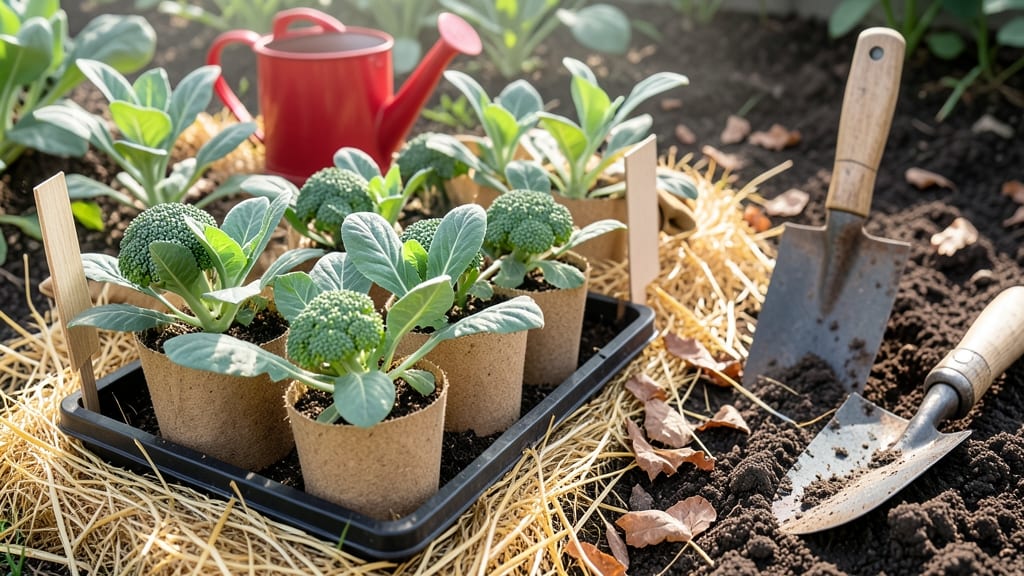
Planting a fall garden in Zone 7 between mid-August and early October sets you up for a harvest just before frost hits 🌱—but miss that window, and you’ll be left with bolted greens or stunted roots.
If you’ve ever watched your kale turn bitter or your carrots stay tiny because you planted too late, you know how critical timing is.
The difference between a thriving garden and wasted seeds often comes down to knowing your microclimate—whether you’re in a heat-trapping city or a cooler rural spot.
In this guide, I’ll break down the exact deadlines for your favorite crops, how to adjust for urban vs. rural frost risks, and the five fastest-growing fall vegetables that outrun frost—no matter where you live in Zone 7.
You’ll leave here with a clear timeline, backup strategies for late starts, and the confidence to grow zero-frost-risk crops until November (or beyond). Let’s get those seeds in the ground before it’s too late.

Zone 7 fall planting deadlines by vegetable type (avoid frost-loss crops)
Fall gardening in Zone 7 rewards patience—plant too late, and frost ruins your harvest. But with precise deadlines, you can grow leafy greens, root vegetables, brassicas, and herbs that mature before the first frost (November 15 in most areas).
These timelines assume 190 frost-free days and adjust for urban heat islands (plant 5–7 days later) versus rural cooler zones (plant 5–7 days earlier).
For example, spinach and kale need 30–45 days to harvest, while carrots and beets take 60–75 days. Miss these windows, and you’ll lose crops to black rot or frost damage.
Start with fast-maturing varieties if planting near deadlines—like 'Early Wonder' peas (50 days) instead of 'Lincoln' peas (70 days).
Urban gardeners face warmer microclimates from pavement and buildings, delaying frost by 3–5 days. Rural areas, with cooler nights, may see frost 5–7 days earlier. Use a frost date calculator (like the Old Farmer’s Almanac) to refine your schedule.
For instance, if your first frost is November 10, plant leaf lettuce by September 25 (45 days to maturity), not October 10.
| Vegetable Type | Last Planting Date (Zone 7) | Days to Maturity | Microclimate Adjustment | Notes |
|---|---|---|---|---|
| Leafy Greens (Spinach, Kale, Lettuce) | September 1–15 | 30–45 days | Urban: +5 days Rural: -5 days |
Harvest before bolts (bitter taste). |
| Root Vegetables (Carrots, Beets, Radishes) | August 15–September 10 | 60–75 days | Urban: +3 days Rural: -7 days |
Loosen soil to prevent forking. |
| Brassicas (Broccoli, Cabbage, Brussels Sprouts) | August 1–31 | 70–90 days | Urban: +7 days Rural: -7 days |
Transplant seedlings for faster growth. |
| Herbs (Cilantro, Parsley, Dill) | August 20–September 20 | 45–60 days | Urban: +5 days Rural: -3 days |
Cilantro bolts in heat—use shade cloth. |
| Peas & Beans (Green Beans, Peas) | September 1–15 | 50–70 days | Urban: +3 days Rural: -5 days |
Use trellises to save space. |
Leafy greens like spinach and kale are your best bet for late starts—they tolerate light frosts (28°F) and mature quickly. Plant spinach by September 15 for a harvest before November 15. For kale, which sweetens after frost, extend planting to October 1 (use row covers if needed). Avoid bolting (premature flowering) by choosing slow-bolting varieties like 'Winterbor' kale.
Root vegetables like carrots and beets need 60–75 days, so start them by
How to adjust planting dates for urban vs. rural Zone 7 microclimates
Your neighbor’s kale might be thriving while your spinach bolts before harvest—blame microclimates, not bad luck. Urban areas trap heat, delay frost, and bake soil, while rural spots stay cooler longer. These differences can shift your planting window by 2-3 weeks, turning "too late" into "just right."
Start by calculating your true frost date, not the USDA average. Rural areas often see frost 10-14 days earlier than cities due to heat islands. Use a minimum thermometer for 3 years to track your local trends—this data beats guesswork every time.
Soil temperature is your next clue. Urban soils stay 5-10°F warmer at night, letting you plant broccoli or carrots 2 weeks later than rural gardeners. Test soil temp with a soil thermometer—aim for 45-55°F for cool-season crops.
Wind exposure also plays a role. Rural gardens face stronger winds that dry soil faster and stress young plants. If your area gets consistent breezes, plant radishes or turnips 3 weeks earlier—they mature fast enough to outrun wind damage.
For herbs like cilantro, urban gardeners can push planting to late September thanks to delayed frost, while rural gardeners should start by mid-August.
Use this rule: if your minimum thermometer shows 32°F for 3+ nights in a row, frost is coming within 5 days—time to harvest or protect crops.
Pro tip: Succession plant every 2 weeks in urban areas to stagger harvests. Rural gardeners should focus on fast-maturing varieties like 'Early Wonder' peas or 'Quickfire' beets to beat the early frost. 🌱