
Planting
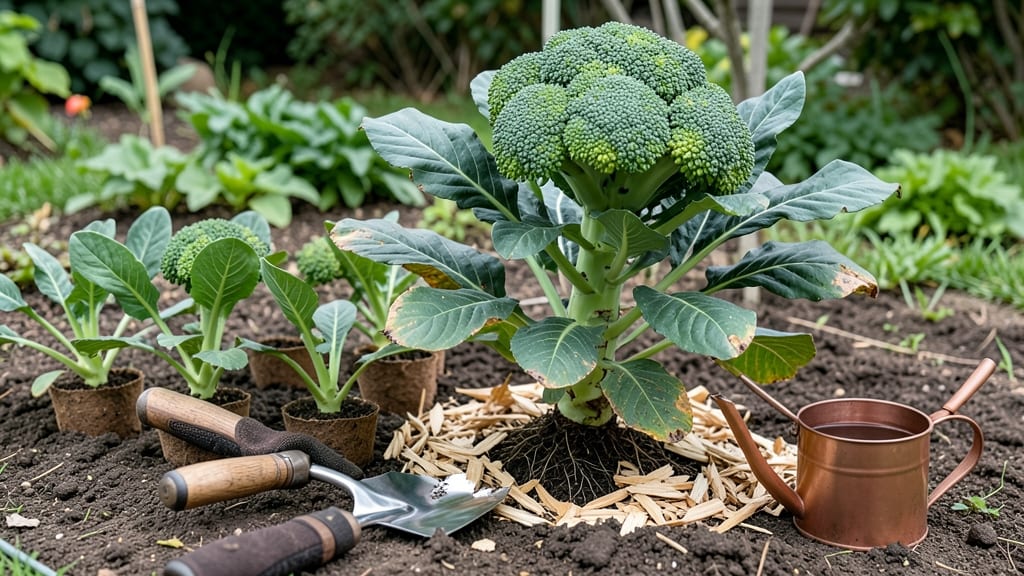
Planting a fall garden in Missouri between August and mid-October is your ticket to fresh greens and root crops even as the air turns crisp 🌱 — but miss the window, and frost will steal your harvest before you even taste it.
Missouri gardeners know timing is everything—plant too early, and frost ruins your harvest; too late, and you miss the growing season entirely. But with the right deadlines, you can grow a thriving fall garden packed with zero-frost crops like kale, spinach, and radishes—even in Missouri’s unpredictable climate.
Here’s the game-changer: St. Louis’s last planting date (October 1) is two weeks earlier than Kansas City’s (October 15), thanks to those pesky microclimates. I’ll break down the exact deadlines for your zone, plus the three crops that always deliver in Missouri’s fall—no matter what the weather throws at you.
You’ll walk away with a foolproof schedule, soil prep secrets for clay-heavy Missouri dirt, and the one trick that extends your harvest past Thanksgiving. Let’s get those seeds in the ground before the first frost locks you out.
Missouri fall planting deadlines by hardiness Zone (6a, 6b, and 7a)
Missouri’s fall garden success hinges on precise timing—especially when transitioning from summer’s heat to cooler temperatures. In USDA Zones 6a, 6b, and 7a, the first frost arrives earlier in northern areas (like Kansas City) than in southern regions (like Springfield).
For zero-frost crops like lettuce, broccoli, and carrots, planting too late risks stunted growth, while starting too early can lead to bolting or pest infestations.
To simplify, I’ve mapped out the last-safe-planting dates for each zone, based on historical frost data from the Missouri State Climatologist. These deadlines ensure your crops mature before a hard freeze—typically 28°F or lower.
For example, in Zone 6a (St. Louis area), the average first frost hits October 15, while Zone 7a (Springfield) can stretch until October 25.
🌱 Pro Tip: Use these deadlines as guidelines, not absolutes. Check your local National Weather Service forecast weekly—late summer heatwaves can delay frost, giving you extra days to plant.
| Zone & Location | Last Safe Planting Date (Zero-Frost Crops) | Backup Date (Late Starts) | Example Crops |
|---|---|---|---|
| Zone 6a (St. Louis, Columbia) | September 15 | October 1 (with row covers) | Lettuce, Spinach, Kale, Carrots, Radishes |
| Zone 6b (Kansas City, Jefferson City) | September 1 | September 20 (with cold frames) | Broccoli, Cauliflower, Brussels Sprouts, Turnips |
| Zone 7a (Springfield, Joplin) | October 1 | October 10 (hardy greens only) | Collard Greens, Mustard Greens, Peas, Beets |
| All Zones (Succession Planting) | Every 2 weeks until backup date | N/A | Radishes, Lettuce, Arugula |
For Zone 6a, aim to plant lettuce and spinach by September 15 to harvest before frost. These crops thrive in cooler weather but bolt quickly if temperatures stay above 75°F.
In Zone 6b, where frosts arrive earlier, prioritize broccoli and cauliflower, which need 60–80 days to mature. Zone 7a gardeners have the luxury of a later window—plant collard greens as late as October 1 for a winter harvest.
If you miss the primary deadline, don’t panic. Use row covers or cold frames to extend the season by 2–4 weeks. For example, in Zone 6a, you can push lettuce planting to October 1 with a lightweight cover.
Just ensure the material allows at least 50% sunlight to prevent leggy growth.
🌿 Missouri-Specific Hack: Start seeds indoors in late July for slow-growing crops like Brussels sprouts. Transplant outdoors by the zone’s last-safe date to maximize growth time.
Soil temperature plays a critical role in fall planting. For most cool-season crops, aim for soil temps between 45°F and 75°F. Use a soil thermometer to monitor—cool, damp soil slows germination. If temps drop below 50°F, opt for fast-sprouting seeds like radishes or arugula.
For root vegetables (carrots, beets), focus on Zone 6a’s September 15 deadline. These crops need consistent moisture to prevent woody textures. In Zone 7a, you can squeeze in a late planting of turnips or peas by October 1, but harvest before hard frosts hit.
✂️ Final Tip: After planting, mulch with straw or shredded leaves to insulate roots and retain moisture. This is especially important in Missouri’s clay-heavy soils, which dry out quickly in fall’s variable weather.
Best zero-frost crops for Missouri’s fall garden (and how to extend the season)
Missouri’s fall garden thrives when you choose zero-frost crops that tolerate light freezes. These cold-hardy vegetables like kale and radishes keep producing even after 28°F temps. The key? Planting at the right time and using succession planting to stretch your harvest until Thanksgiving—or beyond!
For Missouri’s USDA Zones 5b-7a, focus on crops that mature in 30-60 days. Start late July to early August for early fall harvests, or late August to mid-September for a late-season bounty.
The trick? Enrich your soil with compost and use row covers to shield tender greens from unexpected frosts.
My top tip for extending Missouri’s fall season? Use row covers or cold frames to shield crops like spinach and lettuce from light frosts. These low-tech solutions can add 2-4 weeks to your harvest window—perfect for late October harvests when other gardens have given up!
For succession planting, stagger your sowing every 2 weeks after the first planting. This ensures a continuous supply of radishes or baby carrots instead of a single harvest. Pair fast growers (like radishes) with slower ones (like kale) to maximize space and yield.
Don’t forget to amend your soil with compost before planting—Missouri’s clay-heavy soil benefits from organic matter to improve drainage. Aim for a pH of 6.0-7.0 for most cool-season crops, and add a balanced fertilizer (like