
Planting
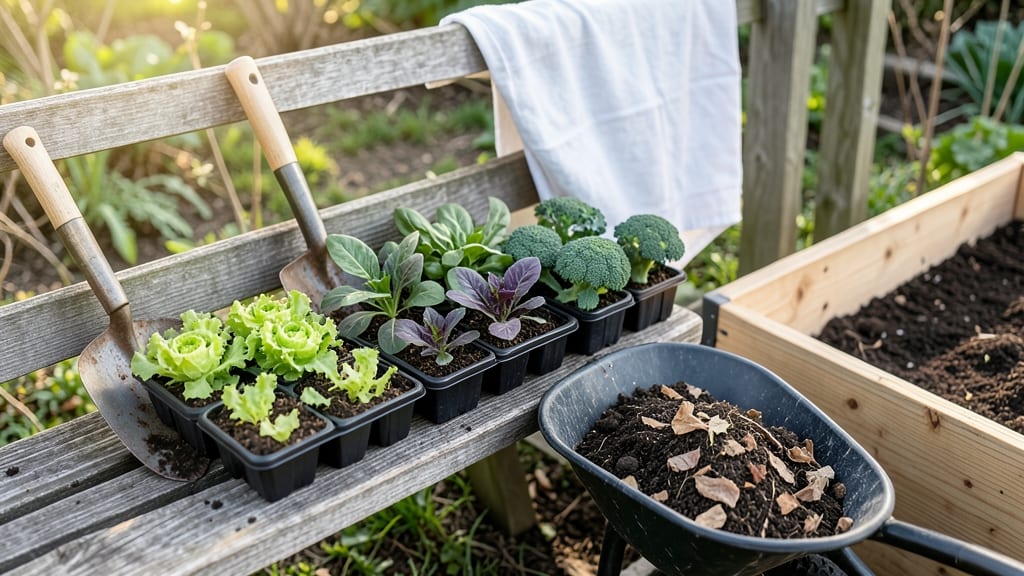
To plant a vegetable garden in Pennsylvania at the right time means timing it with your last frost date and the hardiness of your crops—whether they love cool mornings or warm soil.
Pennsylvania’s diverse climate—from frosty Appalachian valleys to humid Pittsburgh suburbs—means planting your 🌱 vegetable garden at the wrong time can spell disaster for your harvest. Get the timing right, and you’ll enjoy crisp homegrown tomatoes, sweet corn, and fresh herbs all season long.
Cool-season crops like lettuce and peas thrive when planted 4-6 weeks before your last frost, while tomatoes and peppers need the soil to warm up after mid-May. Missing these windows can leave you with leggy seedlings or stunted yields.
Below, I break down the exact planting windows for your PA zone, how to prep soil for success, and the one shortcut that buys you an extra two weeks of growing time—no matter where you live in the state.
Pennsylvania planting zones: cold-hardy vegetables and their ideal start dates
Pennsylvania spans USDA hardiness zones 4 through 7, creating a patchwork of microclimates where cold-hardy vegetables thrive at different times. In the mountainous regions (zones 4-5), early springs demand patience, while valley areas (zones 6-7) often enjoy longer growing seasons.
Understanding these variations ensures your kale, peas, spinach, and lettuce get the perfect start—whether you're direct sowing seeds or transplanting seedlings.
For zone 4 gardeners (like those in Erie or Scranton), aim to start cool-season crops 4-6 weeks before your last frost date—typically around March 15 to April 1.
In zone 7 (Philadelphia or Pittsburgh suburbs), you can push those dates back to April 15 to May 1, giving you more flexibility. Peas and spinach are especially forgiving, tolerating light frosts, while lettuce varieties like romaine may need a little more protection in colder zones.
Here’s a quick guide to help you navigate planting times by zone, including adjustments for mountain vs. valley microclimates:
If you’re in the Appalachian Mountains (zone 4), don’t rush to plant—soil temperatures often lag behind calendar dates. Test your soil with a soil thermometer; aim for 40°F+ for peas and 45°F+ for spinach.
In zone 7 valleys, you can even squeeze in a fall harvest by planting late July to August for crops like kale and lettuce, which tolerate light frosts.
For direct sowing vs. transplanting, peas and spinach are best sown directly into cool, well-drained soil—they hate being transplanted. However, kale seedlings can be started indoors 4-6 weeks before your last frost
Warm-loving vegetables in PA: when to start indoors vs. transplant outdoors
Pennsylvania’s warm-loving vegetables like tomatoes, peppers, and cucumbers need careful timing to thrive. Starting them indoors too early or transplanting too late can ruin your harvest.
The key is balancing indoor seed starts with outdoor soil temperatures—typically 60°F+—while accounting for PA’s last frost dates, which range from April 15 in Zone 7 to May 15 in Zone 4.
For tomatoes and peppers, I recommend starting seeds indoors 6-8 weeks before transplanting. This gives them enough time to grow sturdy before facing PA’s unpredictable spring weather. Cucumbers, on the other hand, can be direct-sown after soil warms, but they grow faster with a head start indoors.
Let’s break down the exact steps for your zone.
🌱 Step-by-Step Guide for Warm-Loving Vegetables in PA
- Step 1: Calculate Your Last Frost Date
- Zone 4: May 15
- Zone 5: May 1
- Zone 6: April 20
- Zone 7: April 15
- Step 2: Start Seeds Indoors (6-8 Weeks Before Transplant)
- Tomatoes: March 1 (Zone 7) to April 1 (Zone 4)
- Peppers: February 15 (Zone 7) to March 15 (Zone 4)
- Cucumbers: March 15 (Zone 7) to April 1 (Zone 4)
- Step 3: Harden Off Plants (1-2 Weeks Before Transplant)
- Move seedlings outdoors for 2-3 hours daily, increasing time gradually.
- Use shade cloth if temps exceed 80°F.
- Step 4: Transplant After Soil Warms to 60°F+
- Zone 4: Mid-May
- Zone 5-7: Early to Mid-April
- Use mulch to retain heat in cooler zones.
- Step 5: Extend the Season with Row Covers
- Use floating row covers for early starts in Zone 4.
- Remove covers when peppers/tomatoes flower to prevent heat stress.
One common mistake I see is transplanting tomatoes too early because the soil is still cold. Even if your seedlings look strong, chilly soil slows root growth, making plants vulnerable to disease. Always check soil temperature with a soil thermometer—it’s your best friend in PA’s variable climate.
For peppers, which are especially sensitive to cold, I recommend waiting until after Memorial Day in Zone 4 to transplant. Peppers thrive in consistent warmth, so if you’re in a cooler microclimate (like the Poconos), consider using black plastic mulch to speed up soil warming.
This trick can shave off 1-2 weeks of waiting time.
Finally, don’t forget about fall planting for warm-loving veggies in PA’s milder zones. In Zone 7, you can direct-sow cucumbers or transplant peppers as late as July 15, giving them time to mature before the first frost.
Just adjust your indoor start dates accordingly—6 weeks before your target transplant date works well for fall crops too.
With these steps, you’ll avoid the heartbreak of wilted seedlings or frost-nipped plants and enjoy a bountiful harvest of homegrown tomatoes, peppers, and cucumbers all season long. Happy gardening! 🌿