
Planting
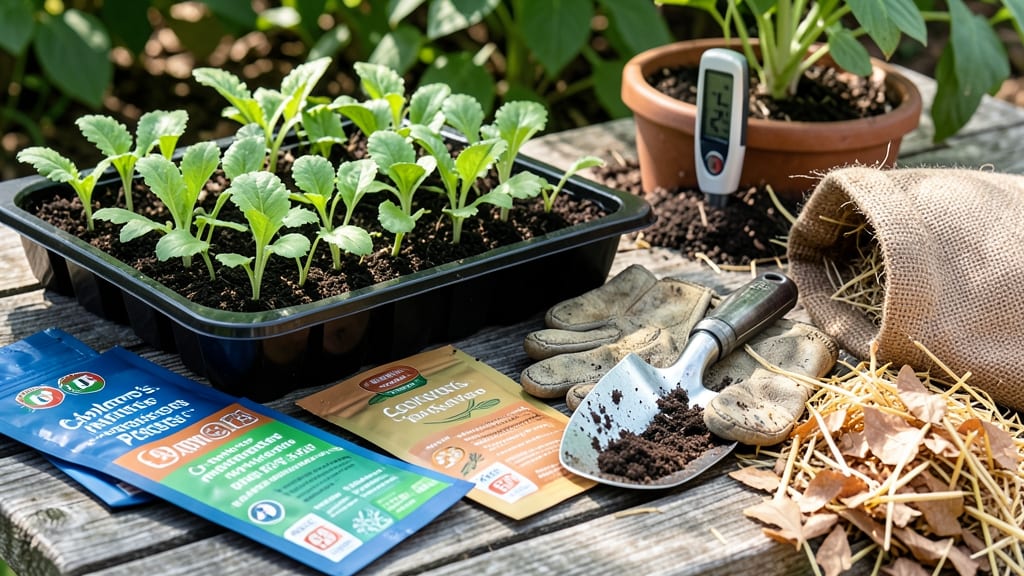
To plant a garden in Colorado, timing is everything—wait until after your last frost, which can vary from mid-March in Denver to late April in mountain valleys like Zone 5 or 6.
Colorado’s diverse elevations and unpredictable frost patterns can turn gardening into a high-stakes guessing game—unless you know the exact frost-free dates for your zone. One wrong move, and your 🌱 General Garden Plants could freeze before they even sprout.
Whether you’re growing cool-season crops like spinach or heat-loving tomatoes, the key is aligning your planting with your local last frost date. Lower elevations (like Grand Junction) can start earlier, while high-altitude areas (near 10,000 ft) may need to wait until June.
Below, I break down the best planting windows by region, plus pro tips to extend your season—so you can avoid the heartbreak of wasted seeds and maximize your harvest.
Colorado’s frost-free Zone map: planting dates by elevation (2024 guide)
Colorado’s diverse elevations create wildly different planting windows—what works in Denver (5,280 ft) fails in Steamboat Springs (6,700 ft). The last average frost can vary by 4+ weeks between lowland valleys and mountain towns, making timing everything for your garden’s success.
To simplify, I’ve mapped last frost dates by elevation bands (2,000–10,000 ft) with USDA zone overlays for Denver, Colorado Springs, and rural areas. These dates are based on 30-year averages from Colorado State University Extension, adjusted for recent climate trends showing earlier springs in many regions.
Use this guide to align your spring planting with frost-free windows and avoid the heartbreak of frost-killed seedlings. For example, tomatoes planted too early in Zone 5 (common in Denver) risk damage, while spinach thrives in cooler mountain zones where late frosts linger.
🌱
| Elevation (ft) | USDA Zone | Last Avg. Frost | First Avg. Frost | Planting Window | Notes |
|---|---|---|---|---|---|
| 2,000–3,000 ft (e.g., Grand Junction) | Zone 6b–7a | April 1–15 | October 15–30 | March 15–April 30 (warm-season crops) | Longest growing season; plant heat-lovers early. |
| 3,000–5,000 ft (e.g., Colorado Springs) | Zone 5b–6a | April 15–May 1 | October 1–15 | April 15–May 15 (warm crops) | Use row covers for early starts; frost risk lingers. |
| 5,000–7,000 ft (e.g., Denver) | Zone 5a–5b | May 1–15 | September 30–October 15 | May 1–June 1 (warm crops) | Short season; prioritize fast-maturing varieties. |
| 7,000–9,000 ft (e.g., Fort Collins) | Zone 4b–5a | May 15–31 | September 15–30 | May 15–June 10 (warm crops) | Cool nights; opt for cold-hardy varieties. |
| 9,000–10,000+ ft (e.g., Steamboat Springs) | Zone 3b–4a | June 1–15 | September 1–15 | June 1–July 1 (warm crops) | Very short season; focus on cool-season crops. |
Your elevation isn’t just about frost dates—it dictates plant hardiness and growing season length. For instance, Denver’s Zone 5b allows 90–120 frost-free days, while Steamboat’s Zone 4a offers only 60–90 days.
This means tomatoes (90+ days to maturity) may not thrive above 7,000 ft unless you use cold frames or container gardening.
Pro tip: Check your microclimate. Urban areas like Denver can be 2–5°F warmer than rural zones due to heat islands, pushing frost dates back by 1–2 weeks. Conversely, mountain valleys often frost earlier than nearby slopes. Use a minimum thermometer to track your specific zone’s patterns.
For cool-season crops like kale or peas, you can plant 4–6 weeks before your last frost—even in late winter.
But warm-season crops (e.g., peppers, cucumbers) need soil temps above 60°F and consistent warmth, so wait until 2 weeks after your last frost to avoid stunted growth.
🌿
Colorado’s first frost also varies wildly. In Zone 6b (Grand Junction), you might get one more harvest of green beans in late September, while Zone 4a (Telluride) could see frost by mid-September.
Plan for succession planting or fall crops like radishes or spinach that mature quickly in cooler temps.
Remember: These dates are averages. A late-spring freeze (like the 2020 Easter freeze) can push frost dates back by 2–3 weeks. To hedge your bets, use
Best vegetables to plant in Colorado by season (timing + elevation rules)
Colorado’s diverse elevations mean your planting calendar should shift dramatically between Front Range cities like Denver and Western Slope areas like Grand Junction. At 5,280 ft, Denver’s last frost typically arrives by May 15, while Grand Junction (4,500 ft) can plant 3 weeks earlier.
High-altitude gardens above 8,000 ft face a shorter growing season—prioritize fast-maturing varieties like bush beans or radishes.
For cool-season crops, start seeds indoors by March 1 in high elevations, while lowland areas can direct-sow spinach and kale as early as mid-March. Warm-season staples like tomatoes and peppers need to wait until after May 15 in Denver, but Grand Junction can plant them by April 15. Succession planting is key—sow lettuce every 2 weeks from spring to early summer for continuous harvests.
📌 Colorado Planting Timeline by Elevation
- 3,000–5,000 ft (Grand Junction, Pueblo): Start cool crops March 1, plant warm crops April 15.
- 5,000–7,000 ft (Denver, Colorado Springs): Cool crops April 1, warm crops May 15.
- 7,000–9,000 ft (Fort Collins, Boulder): Cool crops April 15, warm crops June 1.
- Above 9,000 ft (Aspen, Telluride): Cool crops May 1, warm crops July 1 (short season!).
💡 Pro Tip: Use row covers to extend spring planting by 2–4 weeks in all elevations.
High-altitude gardens should focus on cool-season powerhouses like broccoli, cabbage, and peas, which thrive in 50–65°F soil. Potatoes and carrots are also excellent choices—they mature quickly and tolerate cooler temperatures.
In lower elevations, prioritize heat-tolerant varieties like cherry tomatoes, okra, and sweet potatoes, which handle 90°F+ better than standard types.
Don’t overlook succession planting—it’s your secret weapon for a longer harvest.
For example, plant bush beans every 2 weeks from June to July to enjoy fresh pods through September. Leafy greens like arugula and swiss chard can handle light frosts, so sow them again in early August for a fall harvest before the first frost.
Microclimates play a huge role—urban heat islands in Denver can push last frost dates 1–2 weeks later than rural areas. If you’re in a warmer microclimate, try planting peppers or eggplants in late May instead of waiting for June.
Always monitor your local Colorado State University Extension frost forecasts for real-time adjustments.
For high-altitude gardeners, consider cold-hardy varieties like ‘Colorado Improved’ potatoes or ‘Winterbor’ kale, which survive 20°F temps. In lower elevations, ‘Heatmaster’ tomatoes and ‘Black Beauty’ eggplants are top performers. Test soil temperatures with a soil thermometer—most warm-season crops need soil at 60°F+ to germinate.
Plan now for fall planting! Spinach, radishes, and turnips can be sown as late as September 1 in lower elevations and August 15 above 7,000 ft.
Use straw mulch to protect tender crops from early frosts. With the right timing, you can enjoy homegrown veggies well into November—even in Colorado’s chilly climate! 🌱