
Planting
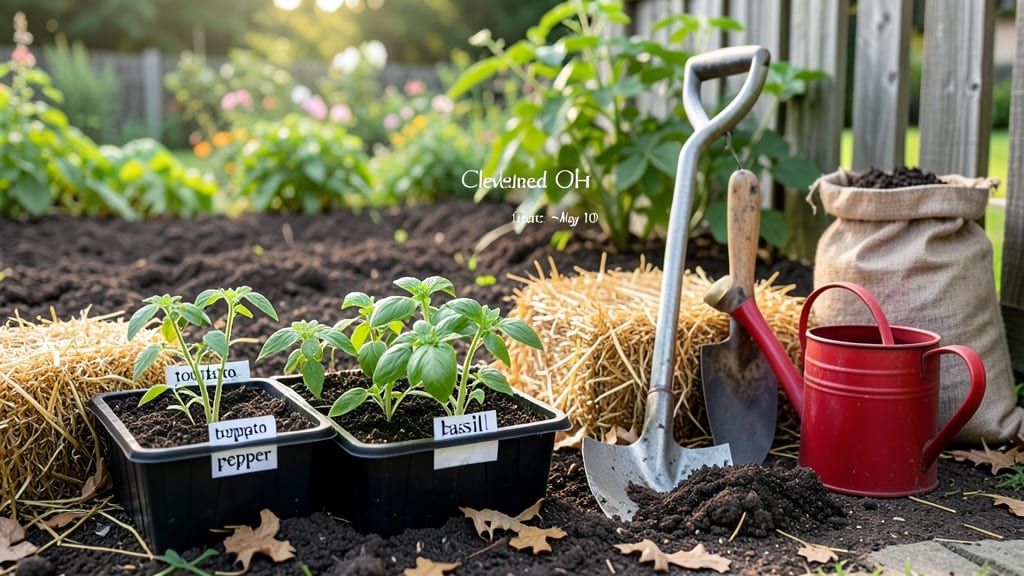
Planting a garden in Cleveland, Ohio, means timing your seeds and starts for USDA Zone 6b’s unpredictable spring shifts—where a late frost can turn your hard work into a sad, frozen memory.
Cleveland’s weather throws curveballs: one year you’re planting peas by April 15, the next you’re watching them shiver under snow in early May. The key isn’t guessing—it’s knowing your last frost date (usually April 15–May 10) and adjusting for microclimates near Lake Erie or urban heat pockets.
This guide breaks down the exact planting windows for cool-season crops (like spinach and peas) and warm-season favorites (tomatoes and peppers), plus how to stretch your growing season with simple tricks like row covers.
Skip the trial-and-error: learn the proven timelines, tools, and tweaks that turn Cleveland’s short but sweet growing season into a bountiful harvest—without betting your seedlings on luck.
Cleveland Ohio planting timeline: exact dates for zero-frost risk crops
Cleveland’s last frost dates typically fall between April 15 and May 10, but these can shift by weeks based on Lake Erie’s influence. According to National Weather Service records, the average last frost is April 29, but I’ve seen it creep into early June in cooler years.
This variability means heat-loving plants like tomatoes and peppers need extra caution.
For cold-hardy vegetables, such as spinach and peas, you can start seeds as early as March 15 under row covers or in a cold frame. These resilient crops tolerate light frosts, giving you a head start.
Meanwhile, warm-season crops like cucumbers and squash should wait until after May 15 to avoid frost damage.
Here’s a data-driven planting timeline based on Cleveland’s 30-year frost records, ensuring your garden thrives:
| Crop Type | Planting Window | Notes |
|---|---|---|
| Cold-Hardy Vegetables | March 15 – April 15 | Spinach, peas, lettuce. Use row covers for early starts. |
| Heat-Tolerant Crops | May 10 – June 1 | Tomatoes, peppers, eggplant. Wait for soil temps ≥60°F. |
| Succession Planting | April 1 – June 15 | Radishes, beans, carrots. Stagger plantings every 2 weeks. |
| Fall Crops | July 15 – August 15 | Kale, broccoli, Brussels sprouts. Plant 8–10 weeks before first frost. |
| Perennials | April 1 – May 15 | Herbs, asparagus, strawberries. Plant after last frost risk. |
I’ve learned the hard way that soil temperature matters just as much as air temperature. Use a soil thermometer—tomatoes and peppers need soil at least 60°F to germinate. In Cleveland, this usually aligns with late May, but cooler springs may push it to early June.
For direct-sown seeds, like carrots and radishes, I recommend planting in two-week intervals from April through June. This succession planting strategy ensures a continuous harvest and reduces waste.
For transplants, such as tomato seedlings, wait until after May 15 to harden them off and reduce transplant shock.
Don’t forget about historical frost outliers. In 2018, Cleveland saw frost as late as June 5, devastating early plantings. To hedge your bets, keep frost cloth on hand for heat-sensitive crops until you’re confident the danger has passed.
I’ve also found that elevated beds warm up faster in spring, giving you a 1–2 week advantage.
If you’re planting flowers like marigolds or nasturtiums, these can handle cooler temps and even deter pests. I often sow them in early April to jumpstart my garden’s pest control. For annuals like petunias, wait until after May 15 to avoid frost damage.
Pro tip: Monitor the National Weather Service’s Cleveland forecast for 10-day outlooks. Their frost probability maps are gold for adjusting your planting schedule. I’ve used them to shift pepper plantings back by a week when early June looked chilly.
Finally, remember that microclimates play a role. Areas near Lake Erie stay cooler longer, while urban heat islands can push planting dates earlier. Observe your specific spot for a few years—your garden’s unique rhythm will become clear over time.
How to adjust planting dates for Cleveland’s microclimates (lake effect & urban heat islands)
Cleveland’s diverse microclimates can make planting dates feel like a guessing game. While your neighbor’s tomatoes thrive in their backyard, your urban heat island might bake seedlings before they sprout—or Lake Erie’s cooling winds could delay your spring planting by weeks.
The key? Understanding how these local conditions shift your ideal planting windows and using simple tools to fine-tune your schedule.
Lake Erie’s cooling effect creates a 10°F temperature drop within 2 miles of the shore, while urban areas can be 5–10°F warmer than rural zones. This means peppers and cucumbers might be safe to plant 2 weeks earlier in your downtown garden than in a Lakefront neighborhood.
A soil thermometer ($15 at garden centers) becomes your secret weapon for pinpointing the perfect planting time.
⚠️ callout-warning ⚠️
Start by identifying your local microclimate zone. Are you near Lake Erie’s shoreline? Your last frost date might be May 15 instead of the citywide average of April 25. Living in downtown Cleveland’s concrete jungle?
Your urban heat island could let you plant peppers in late April when rural areas wait until May 10. Use the NOAA Cleveland climate maps (available online) to map your heat pockets and cool refuges.
For cool-season crops like spinach or kale, plant 4–6 weeks before your average last frost date—but adjust for microclimates. In lakeshore areas, wait until April 1 instead of March 15. For warm-season crops, wait until soil reaches 60°F+.
In urban zones, this might happen by mid-April; near the lake, you’ll likely wait until May 1. A soil thermometer eliminates the guesswork—stick it 2 inches deep in morning sunlight for the most accurate reading.
Pro tip: Group plants by heat needs. Place heat-loving tomatoes near dark pavement or brick walls to soak up extra warmth, while cool-loving lettuce thrives in shaded garden corners or morning-sun spots.
Even a 5-foot difference in elevation can shift your microclimate by 2–3°F, so observe how nearby established plants perform as your guide.
Don’t let Cleveland’s unpredictable weather derail your garden. By mastering these microclimate adjustments, you’ll extend your growing season, boost yields, and finally grow those perfect tomatoes your neighbor’s been bragging about. Grab that soil thermometer, map your zone, and plant with confidence—microclimate by microclimate. 🌱