
Planting
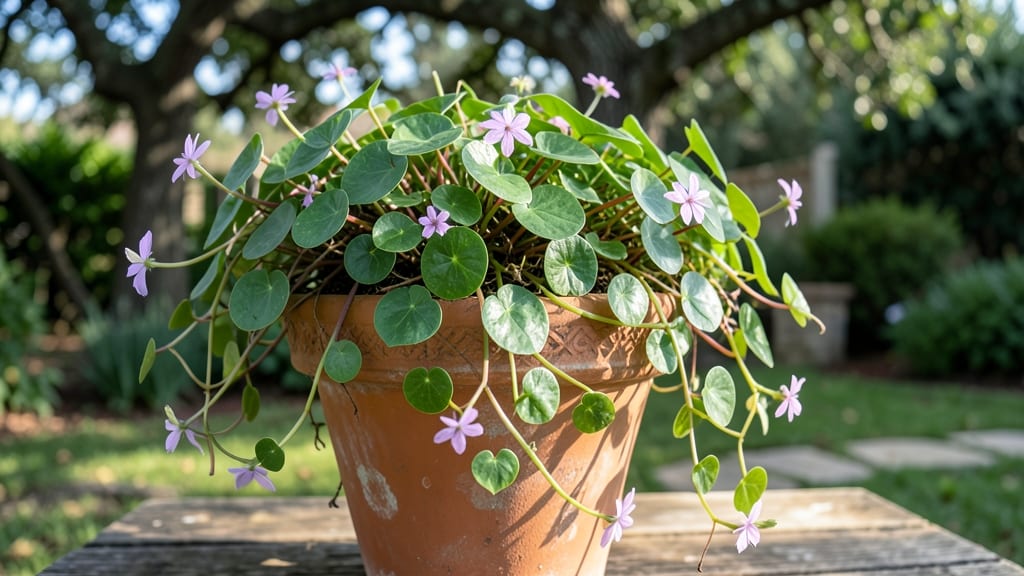
Planting a garden in Arkansas at the right time means the difference between a bountiful harvest and a sad, wilted mess.
Mississippi River breezes and Arkansas sunshine mean your garden’s success hinges on timing—plant too early, and frost zaps your dreams. Too late, and pests or heat ruin your harvest. Here’s your Zone 7b planting calendar to grow thriving crops with zero frost risk.
Spring is the star season for Arkansas gardens, but even then, March 15 isn’t just a date—it’s the last frost deadline for cool-season crops like lettuce and peas. Meanwhile, warm-season favorites like tomatoes and peppers wait until two weeks after that frost date to avoid stunted growth.
Below, I break down the exact windows for every crop type, how to adjust for Arkansas’ microclimates, and 5 pro tips to keep your garden thriving from seed to harvest.
Arkansas Zone 7b planting deadlines by crop type (last frost dates)
Arkansas’ Zone 7b climate gives you a longer growing season than most northern states, but timing is everything. The average last frost date is March 15, while the first frost typically arrives November 15.
This means you can grow two full harvests per year—spring and fall—with careful planning. Whether you’re planting heat-loving tomatoes or cool-season spinach, knowing these deadlines ensures your garden thrives without frost damage or wasted effort.
For cool-season crops, start seeds indoors 4-6 weeks before March 15 (late January) or direct-sow 2-3 weeks before to beat frost. Warm-season crops like peppers and cucumbers need soil temps above 60°F, so wait until April 1 to plant outdoors.
Arkansas’ humidity and summer heat also demand adjustments—some crops, like okra, thrive in the heat, while others, like lettuce, bolt quickly. Below, we break down the critical planting windows for vegetables, flowers, and herbs to maximize your harvest.
| Crop Type | Planting Window | Notes |
|---|---|---|
| Cool-Season Vegetables | Feb 15–March 15 (direct sow) / Jan 15–Feb 15 (start indoors) | Spinach, kale, broccoli, peas—plant early for spring harvest. |
| Warm-Season Vegetables | April 1–May 15 (after last frost) | Tomatoes, peppers, cucumbers—wait for soil to warm. |
| Heat-Tolerant Crops | May 1–June 15 (extended season) | Okra, sweet potatoes, southern peas—thrive in Arkansas’ summer heat. |
| Fall Cool-Season Crops | July 15–August 15 (for late harvest) | Lettuce, radishes, carrots—plant 8–10 weeks before first frost. |
| Perennial Herbs | March 1–April 30 (spring) or Sept 1–Oct 15 (fall) | Basil, rosemary, thyme—establish roots before summer heat. |
| Annual Flowers | April 15–May 30 (spring) or Aug 1–Sept 15 (fall) | Marigolds, zinnias, sunflowers—avoid late summer planting. |
If you’re growing cool-season vegetables, like lettuce or spinach, start seeds indoors by late January to transplant outdoors 2-3 weeks before March 15. This gives them a head start before frost hits.
For warm-season crops, such as tomatoes and peppers, wait until April 1—soil must be at least 60°F to prevent stunted growth. Use a soil thermometer to check; Arkansas’ clay soil warms slowly, so don’t rush.
For heat-tolerant crops, like okra or sweet potatoes, plant after May 1 when temperatures consistently exceed 80°F. These crops love Arkansas’ summer heat and can be planted up to June 15 for a late-season harvest.
Pair them with shade cloth if your area gets extreme heat (above 95°F), as even tough plants can struggle. Mulch heavily to retain moisture and cool roots.
Fall planting is just as critical. To extend your harvest, sow cool-season crops like lettuce or radishes by July 15—they’ll mature before the November 15 frost. Use row covers to protect tender greens from early chills.
For perennial herbs, like rosemary or thyme, plant in early spring (March 1–April 30) or fall (September 1–October 15) to avoid transplant shock during peak summer heat.
Arkansas’ humidity and pests also dictate timing. Avoid planting annual flowers after August 15, as fungal diseases thrive in the damp air. Instead, opt for fall-blooming varieties like asters or chrysanthemums, which thrive in cooler temps.
For herbs, basil is a spring/summer star but bolts in fall—replace it with cold-hardy parsley or cilantro for late harvests.
Pro tip: Use frost cloth to push planting windows. For example, you can direct-sow peas or spinach as early as February 15 under protection, giving you an earlier harvest.
Similarly, extend fall planting by covering crops with frost cloth until October 31—this adds 4-6 extra weeks to your growing season. Test your local microclimate by monitoring frost dates for 3 years to refine your schedule.
Don’t let Arkansas’ variable weather throw off your timing. Keep a gardening journal to track when frost hits your specific area—urban Little Rock may warm faster than rural Fayetteville. Adjust deadlines by 1-2 weeks based on your observations.
With this Zone 7b planting calendar, you’ll avoid frost damage, pests, and wasted effort—ensuring a bountiful harvest twice a year.
How to adjust planting times for Arkansas’ microclimates (north vs. south)
Arkansas’ diverse landscapes create microclimates that can shift planting deadlines by 2-4 weeks. A neighbor’s Little Rock garden might thrive with early spring plantings, while your Fayetteville plot could still face frost risks.
These differences stem from elevation changes, urban heat islands, and soil warming rates—factors that turn generic planting charts into guesswork. Understanding your local microclimate lets you fine-tune schedules for peak harvests.
Start by identifying your local frost pockets. Northern Arkansas—like Fayetteville (Zone 7a)—often sees later soil warming due to higher elevation and cooler nights. Meanwhile, Little Rock (Zone 7b-8a) urban areas trap heat, allowing earlier planting of warm-season crops.
Even within cities, south-facing slopes warm faster than shaded valleys. Use these clues to adjust your last frost date by ±7 days, depending on your microclimate’s behavior.
| Factor | North Arkansas (Fayetteville) | South Arkansas (Little Rock) | Adjustment Tip |
|---|---|---|---|
| Last Frost Date | March 22 | March 15 | Wait 1 week longer for frost-sensitive crops. |
| Soil Warmth (60°F) | Late April | Early April | Use black plastic mulch to warm soil faster in north. |
| Warm-Season Planting | April 20–May 10 | April 1–April 15 | Start tomatoes/peppers indoors 2 weeks earlier in north. |
| Fall Planting Window | August 15–September 15 | August 1–August 31 | Extend fall crops with row covers in cooler zones. |
| Urban Heat Impact | Minimal (rural) | High (pavement heat) | Plant shade-loving crops (lettuce, spinach) in south-facing beds. |
Test your microclimate’s unique conditions by tracking soil temperatures for 2-3 years. Use a soil thermometer to confirm when your plot hits 50°F for cool crops or 60°F for warm-season starters.
In Fayetteville, I’ve seen peppers struggle when planted before May 1, even if neighbors in Little Rock harvest by April 15. For urban gardeners, pavement and buildings can create heat islands—plant heat-sensitive crops like cucumbers on north sides of structures.
Extend your growing season in cooler microclimates with low tunnels or cold frames. These tools add 2-4 weeks to your planting window by trapping heat. In northern Arkansas, I’ve used them to grow spinach into June and kale until October.
For Little Rock’s faster warming soil, focus on succession planting every 2 weeks to maximize space. For example, sow bush beans on April 15, then again on May 1 and June 1 for continuous harvests.
Don’t forget wind exposure—higher elevations like Bentonville experience stronger winds, which dry soil faster. Mulch heavily with straw or wood chips to retain moisture. In southern Arkansas, where humidity lingers, improve airflow between plants to prevent powdery mildew on squash and cucumbers.
These microclimate tweaks turn Arkansas’ unpredictable weather into an advantage for longer harvests and hardier plants.
Start small: pick one crop (like tomatoes) and compare your results to neighbors’. Over time, you’ll refine your local planting calendar—because in Arkansas, one zip code can mean a month’s difference in garden success. 🌱