
Picking
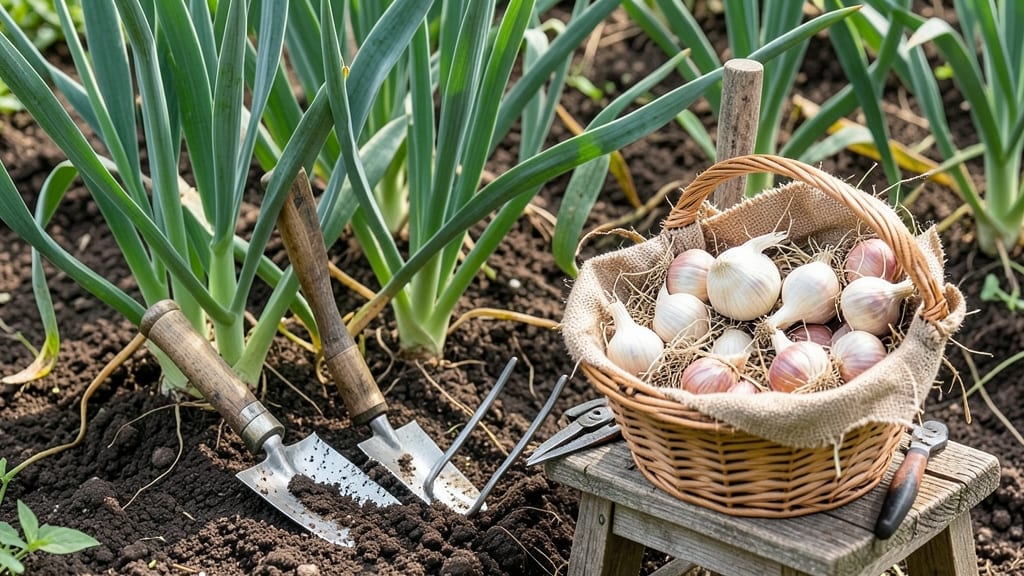
Picking garlic from your garden at the right time ensures you get plump, flavorful bulbs that store well for months—so timing is everything.
Harvest too early, and you’ll end up with small, pungent cloves that won’t last. Wait too long, and the bulbs split or rot in the soil. I’ve made both mistakes, and the difference in quality is night and day.
Here’s the key: watch for three telltale signs—browning lower leaves, firm bulbs when squeezed, and papery skin—that signal it’s time to dig. These cues work whether you’re in Zone 6a or a warmer climate, so you’ll never guess wrong again.
Once you spot those signs, I’ll walk you through the best drying methods and storage tips to keep your harvest fresh until next fall. No more wasted effort or shriveled cloves!


3 Telltale signs your garlic is ready for harvesting
Knowing when to pick garlic from your garden is all about reading the plant’s signals—not just guessing by the calendar. Miss these cues, and you might end up with shriveled bulbs or loose cloves that won’t store well.
The good news? Garlic sends clear visual and physical warnings. As a gardener who’s harvested hundreds of pounds over the years, I’ve learned to trust these three key indicators over everything else.
First, let’s address the biggest myth: harvesting garlic by the moon phases. While some gardeners swear by lunar cycles, the truth is, your garlic’s readiness depends on physical changes, not celestial events.
Instead, focus on what’s happening right in your garden beds. These signs are universal, whether you’re growing softneck, hardneck, or elephant garlic.
- 1 Lower leaves turn brown and papery – This is your first visual cue. Start checking when about 50% of the lower leaves have dried to a straw-like color. If you wait until all leaves are brown, you risk bulb splitting or loose skins.
- 2 Bulbs feel firm when gently squeezed – Dig up a test bulb and check its firmness. A ready bulb should feel solid and heavy for its size, not soft or spongy. If it’s still flexible, it needs more time in the ground.
- 3 Stems snap easily when bent – A mature garlic stalk should break cleanly with a slight bend. If it bends without snapping or feels flexible, the bulb isn’t fully developed. This test is my go-to method for confirming readiness.
Here’s a pro tip: Harvest in the morning when temperatures are cooler. This reduces stress on the bulbs and helps them cure more evenly. I’ve found that garlic harvested in the early hours stores better because the moisture content is lower, preventing mold during drying.
One mistake I see often is waiting too long for the leaves to fully brown. While it might seem like the plant is "done," over-mature garlic splits its skins and loses cloves.
The ideal harvest window is when 50-70% of the leaves are brown, not 100%. Think of it like goldilocks timing—not too early, not too late.
Regional differences matter too. In cooler climates (Zones 3-6), garlic often signals readiness in late June to early July. But in warmer zones (7-10), the process speeds up, and you might harvest as early as May or June.
Always adjust based on your local last frost date and soil temperatures.
After harvesting, don’t wash your garlic—this speeds up spoilage. Instead, brush off excess soil and let the bulbs cure in a dry, shaded spot for 2-4 weeks.
Proper curing is half the battle for long-term storage. I’ve had garlic last up to 12 months when cured correctly, but rushed drying leads to rot.
If you’re still unsure, dig up one bulb as a test. Cut it open to check for fully formed cloves with tight skins. If the cloves are small and loose, give your garlic another 1-2 weeks. This simple step saves hours of second-guessing later.
Remember, harvesting garlic is both an art and a science. Trust the plant’s signals, not just the calendar. When you nail these three signs, you’ll always bring in plump, flavorful bulbs that make every meal taste like a garden-fresh victory. 🌱
Best time of year to harvest garlic by climate Zone
Your garlic harvest timing depends entirely on your USDA climate zone and local weather patterns. In cooler Northern zones (3-6), garlic typically matures in late June to early July, while Southern gardeners (7-10) often harvest between May and June.
These windows align with when soil temperatures drop and daylength shortens, triggering bulb maturation.
Missed the perfect window? Don’t panic—garlic can tolerate 1-2 weeks early harvest, but waiting too long risks bulb splitting or seed stalk formation. The key is watching for leaf color changes rather than relying solely on calendar dates.
Let’s break down the ideal harvest times by region to ensure you never miss peak flavor.
| Climate Zone | Ideal Harvest Window | Key Cues | Avoid Mistakes |
|---|---|---|---|
| Zones 3-6 (Cool) | Late June–Early July | Lower leaves brown, bulbs firm | Harvest before 50% leaf drop |
| Zones 7-9 (Mild) | May–Early June | Stems yellow, bulbs plump | Stop watering 2 weeks before harvest |
| Zones 10+ (Warm) | April–May | Leaves crisp, bulbs dry | Harvest before heat stress sets in |
In Northern climates (Zones 3-6), garlic thrives with cool nights and long daylight in summer. If your area experiences early heatwaves, harvest 1-2 weeks ahead of the typical window to prevent premature bolting.
I’ve found that hardneck varieties (like Music or German White) mature slightly earlier than softneck types in these zones.
For Southern gardeners (Zones 7-10), the challenge is avoiding heat stress before harvest. Plant garlic in fall (October-November) to take advantage of cooler winter temps, which slow growth and improve bulb quality.
If you’re in Zone 10+, consider shade cloth during peak summer to protect bulbs from overheating.
One common mistake I see is waiting until all leaves turn brown—this signals the garlic is overripe and may split when dried. Aim to harvest when 50-60% of leaves have browned, and the bulbs feel firm when gently squeezed. This ensures maximum storage life and boldest flavor.
After harvesting, cure garlic properly by hanging braided stems in a dry, shaded spot for 2-4 weeks. This step is critical for long-term storage and preventing mold. Whether you’re in Minnesota or Florida, timing your harvest right guarantees plump, pungent bulbs all winter long. 🧄