
Picking
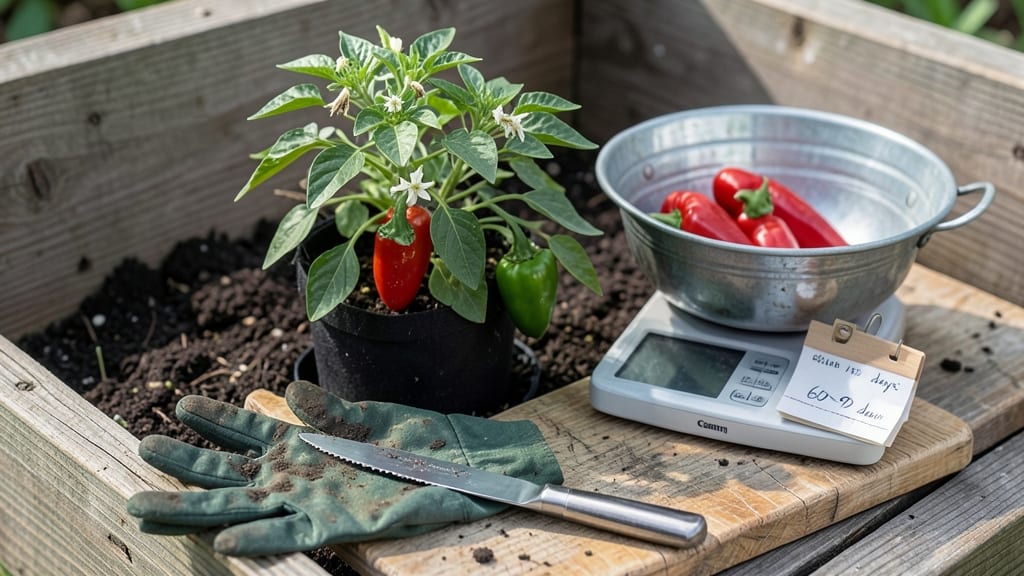
To pick garden salsa peppers at their boldest flavor, time your harvest based on color, size, and firmness—not just days after transplanting.
You’ve spent months nurturing your 🌶️ salsa peppers, but harvesting too early or too late can turn that fiery, complex flavor into something bland or bitter.
The key? Knowing when the peppers shift from green to vibrant red, yellow, or orange—and why that color change matters more than a calendar.
In this guide, I’ll walk you through the color-coded ripeness stages of jalapeños, serranos, and other salsa peppers, plus the three simple tests to confirm they’re ready. Whether you’re aiming for mild heat or a mouth-on-fire salsa, timing makes all the difference.
Ready to turn your garden harvest into the best salsa of the season? Let’s break down the signs, tools, and tricks to pick your peppers at peak perfection.


Color-coded ripeness guide for salsa peppers: when to harvest for maximum heat
Harvesting your salsa peppers at the perfect moment transforms your garden into a spice factory. The color shift from green to vibrant hues isn't just about aesthetics—it signals a flavor explosion and heat intensification that amateur gardeners often miss.
Whether you're growing jalapeños, serranos, or habaneros, understanding these color stages ensures you capture peak heat potential and aromatic complexity.
Each pepper color represents a different ripeness stage, with unique flavor profiles and heat levels. Green peppers are crisp and mild, while fully mature red, yellow, or orange peppers pack maximum capsaicin—the compound responsible for that signature kick.
The key is knowing when to intervene to avoid overripening, which can dull flavors and attract pests. Let's break down the color-coded timeline so you never miss the sweet spot.
If you harvest your jalapeños or serranos while still green, you'll get a milder, crisp texture perfect for salsa verde. But wait until they turn yellow, orange, or red for that unmistakable heat and deep, smoky flavor.
For example, a red jalapeño can have 3x the heat of its green counterpart, while a habanero reaches its fiery peak when fully orange or red.
Don't assume all salsa pepper varieties follow the same timeline. Habaneros and scotch bonnets often ripen faster (as early as 70 days) and may skip the yellow stage entirely. Meanwhile, jalapeños and serranos typically take 75-90 days to reach their red maturity.
Pay attention to your local climate—cooler temperatures can delay ripening, while hot summers may speed it up.
Pro tip: Check your peppers daily during their final color transition. A red jalapeño might go from orange to deep red in just 3-5 days, so don't wait too long or risk overripening.
Overripe peppers develop soft spots, wrinkled skin, and a bitter, fermented taste—a sure sign you missed the window. Use a sharp pair of pruning shears to cut peppers cleanly at the stem to avoid damaging the plant.
For maximum heat development, aim to harvest when 70-80% of the peppers on your plant have reached their final color. This ensures you're getting a consistent batch of peppers with uniform heat levels.
Store freshly harvested peppers in a cool, dark place (like a ventilated basket) for up to
Signs your salsa peppers are ready for harvesting: beyond just color
While color changes in your jalapeños or serrano peppers are the most obvious sign of ripeness, there are subtle cues that reveal when they're truly ready for the kitchen.
I’ve learned that ignoring these can mean sacrificing flavor or heat intensity—especially when you’re growing varieties like ‘Lipstick’ or ‘Apache’ for that perfect salsa kick.
Don’t just wait for the red hue to develop. The size, firmness, and even how the stem separates from the plant can tell you whether your peppers are at their peak.
I once picked a batch of jalapeños too early because they were bright green, only to discover they lacked the bold heat I was hoping for. Here’s how to avoid that mistake.
- 1. Size Matters: Your salsa peppers should reach 3-5 inches in length (depending on the variety). For example, jalapeños typically hit 2-3 inches when ready, while serranos can grow up to 4-5 inches. Smaller peppers are often milder and less flavorful.
- 2. Firm Yet Yielding: Gently squeeze the pepper—it should feel firm but slightly soft, like a ripe avocado. If it’s rock-hard, it’s not ready; if it’s mushy, it’s overripe. This test is especially critical for heat development, as overly firm peppers often lack the complexity you crave.
- 3. Stem Separation: The stem should snap easily when you bend it slightly at the base. If it resists or feels woody, the pepper isn’t mature yet. This is a foolproof way to confirm ripeness without guessing. I always twist the stem gently—if it detaches cleanly, it’s harvest time!
- 4. Heat Test: For spicy varieties, cut open a pepper and taste a small piece. The heat should be consistent throughout. If it’s uneven or lacks punch, wait a few days. Pro tip: Red peppers often pack the most heat, but some varieties (like ‘Habanero’) can be blistering even when green.
- 5. Color Consistency: While green peppers are edible, they’re usually milder. Wait for the color to fully develop—whether that’s red, yellow, or orange. For example, ‘Lipstick’ peppers should turn a deep crimson before picking. Inconsistent coloring can mean the pepper isn’t fully ripe.
One trick I’ve picked up from fellow gardeners is to harvest in the morning when peppers are cool and hydrated. This makes them easier to handle and ensures you’re getting the peak flavor. Plus, morning harvests reduce stress on the plant, encouraging more fruit production throughout the season.
If you’re growing multiple varieties, like jalapeños and serranos, keep a small notebook to track when each type reaches these milestones. For instance, serranos often mature faster than jalapeños, so you might need to check them every 2-3 days during peak season.
This attention to detail is what separates homegrown salsa from store-bought.
Remember, overripe peppers can become leathery or develop bitter notes, so don’t wait too long. Once you master these signs, you’ll never second-guess your harvest again—and your salsa will thank you with layers of flavor you never knew were possible. Happy harvesting! 🌶️