
Picking
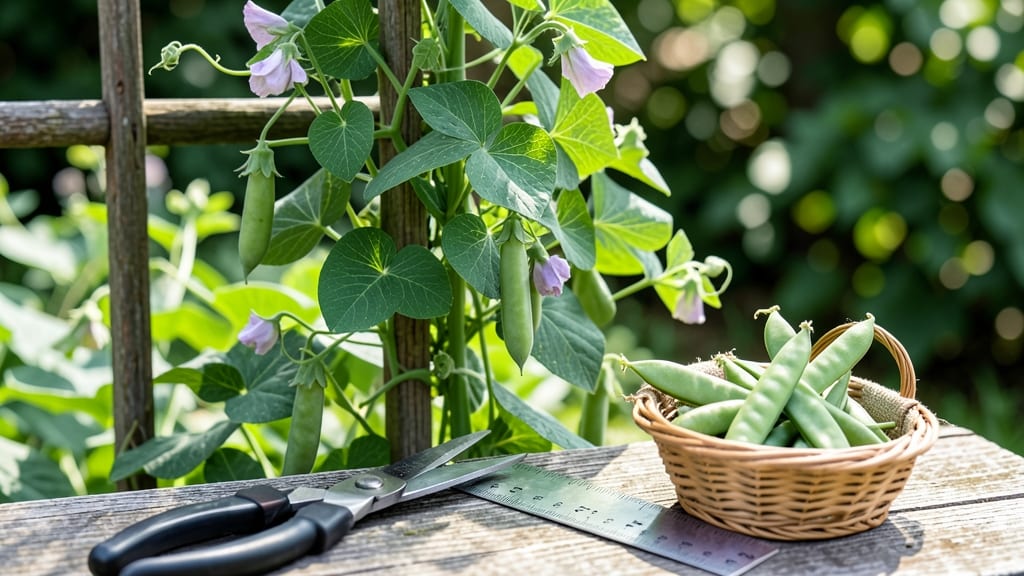
Harvesting garden peas at the right time ensures sweet, tender pods packed with flavor—wait too long, and you’re left with tough, stringy disappointment.
I’ve picked garden peas 🌱 too early, only to find them bland and underdeveloped, or too late, when the pods turn woody and the seeds inside swell. The difference between a perfect harvest and a wasted one often comes down to knowing exactly when to pull those pods.
Below, I’ll walk you through the three key visual cues that signal your peas are ready—plus how to check ripeness without hurting the plant. You’ll also learn the most common mistakes that ruin a crop, so you can avoid them and enjoy a bountiful harvest.
Whether you’re a first-time gardener or a seasoned grower, these tips will help you time your harvests for maximum sweetness and yield. Let’s get started!


3 Visual cues to identify perfectly ripe garden peas
Timing your pea harvest is everything—pick too early, and you get underdeveloped, flavorless pods. Harvest too late, and those sweet peas turn tough and stringy. The secret lies in three visual cues that scream "ready to pick!"
These signals help you nail the perfect harvest window every time, ensuring sweetness and tenderness in every bite.
First, focus on the pod size. Ideal garden peas should measure between 1 to 2 inches long. This size range ensures the peas inside are plump but not overgrown.
Smaller pods (under 1 inch) mean the peas are still developing, while larger pods often signal the peas inside have started to harden, making them less enjoyable to eat.
Next, examine the pod color. Ripe pea pods should be a vibrant, bright green. Any yellowing or browning indicates the pods are past their prime. Even a slight dullness in color can mean the peas inside are losing their sweetness.
Bright green pods guarantee freshness and peak flavor, so keep an eye out for that signature hue.
The third and final visual cue is the pod texture. When you gently squeeze a ripe pea pod, it should feel firm but slightly yielding, almost like a well-ripened avocado.
If the pod feels rock-hard or leathery, it’s past its prime. On the flip side, if it feels too soft or mushy, the peas inside are likely still underdeveloped.
Pay attention to how the pods bulge between the seeds. Ripe pea pods will show noticeable swelling where the peas are located. This bulging is your clearest sign that the peas inside are fully developed and ready to eat.
If the pods appear flat or only slightly rounded, they need more time on the vine.
Don’t forget to check the stem attachment. A ripe pea pod should detach easily from the vine with a gentle twist. If the pod resists or the stem snaps cleanly, it’s a good sign you’ve timed your harvest perfectly.
This cue helps you avoid pulling too hard and damaging the plant.
For sugar snap peas or snow peas, the same rules apply, but the ideal harvest time might vary slightly. Sugar snap peas, for instance, are best when the pod is crisp and the peas inside are small but sweet.
Snow peas should be harvested when they’re flat and slightly tender, but before the peas inside start to swell.
Once you’ve mastered these three visual cues, you’ll never miss the peak harvest window again. Keep an eye on your pea plants daily, especially during the 60-70 day harvest window after planting. Regular checks ensure you pick peas at their sweetest, most tender stage, maximizing both flavor and yield.
Pro tip: Harvest peas in the morning when temperatures are cooler. This ensures the pods are at their crispest and most flavorful. Plus, morning harvests give you a head start on enjoying your fresh peas or preserving them for later.
How to check pea ripeness without damaging the plant
Testing pea ripeness without harming your plants is all about gentle inspection and knowing the right cues. Overzealous harvesting can stress plants and reduce future yields, so I always prioritize visual checks over aggressive handling.
The key is to identify readiness while preserving the plant's ability to produce more pods.
Start by examining pod size and color—these are the most reliable indicators. A perfectly ripe pea pod should be bright green and measure between 1 to 2 inches in length.
If pods are smaller or still pale, they need more time on the vine. But how do you confirm without damaging the plant? Here’s my step-by-step method:
Once you’ve confirmed ripeness, harvest by twisting the pod gently to avoid damaging the vine. Never pull pods off abruptly—this can harm the plant’s ability to produce more. I also recommend harvesting every 2-3 days during peak production to encourage continuous flowering and pod development.
Knowing when to stop harvesting is just as important. If pods start turning yellow or brown or feel woody and dry, your plant is nearing the end of its productive cycle.
At this stage, focus on watering and fertilizing to support any remaining pods, but avoid over-harvesting, as this can stress the plant unnecessarily.
With practice, you’ll develop a keen eye for pea ripeness and can enjoy a steady supply of sweet, tender pods all season long. The key is patience and gentleness—your plants will thank you with a bountiful harvest! 🌱