
Plants
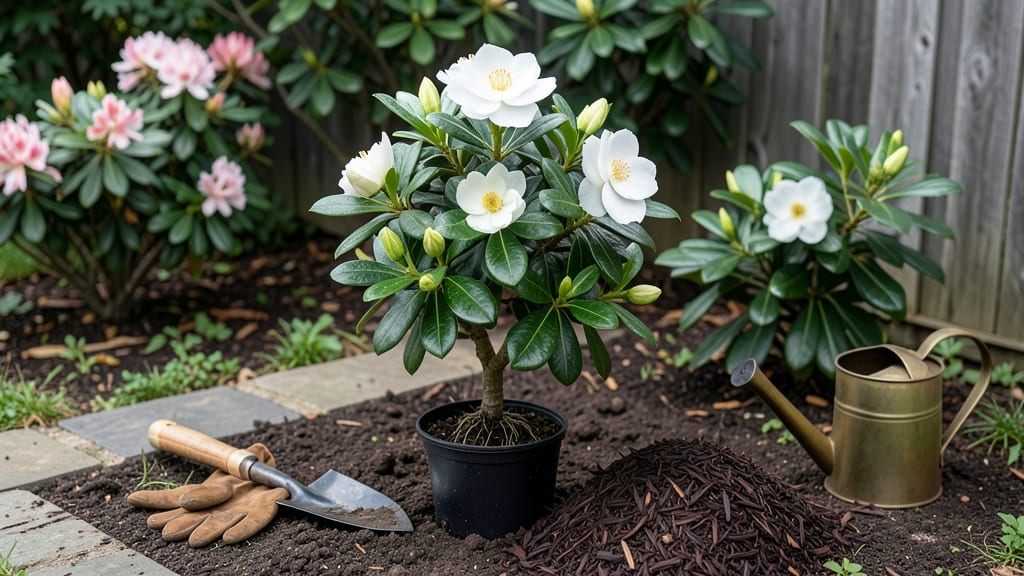
Plant gardenias in Georgia after the last frost date, typically between March and April, to give these fragrant shrubs the best start for blooming.
Georgia’s warm climate makes gardenias thrive—but planting them at the wrong time can mean weak blooms or stunted growth. Timing is everything for these fragrant favorites, and knowing the perfect window ensures your gardenias burst into lush, fragrant blooms year after year.
The key is waiting until soil temperatures rise above 60°F and the risk of frost has passed. In most of Georgia, that means late March to early April, but coastal areas like Savannah can start as early as February.
Planting too soon exposes young roots to cold snaps, while waiting too long may delay the first flush of 🌸.
Below, I’ll break down the best months by region, how to prep your soil, and pro tips for transplanting gardenias so they take root fast and bloom like crazy. Ready to transform your yard into a fragrant paradise?
Optimal planting months for gardenias in Georgia’s climate zones
Georgia’s USDA Zones 7b-8b create perfect conditions for gardenias, but the exact planting window varies dramatically between Atlanta’s Piedmont region and Savannah’s coastal climate.
In colder Zone 7b areas, gardenias need to wait until late March or April after the last frost, while Zone 8b coastal areas can plant as early as February. This timing ensures your gardenias establish strong roots before Georgia’s brutal summer heat arrives.
Soil temperature is your best indicator—wait until the ground reaches at least 60°F (15°C) at a 4-inch depth. In North Georgia (Zone 7b), this typically happens by mid-April, while South Georgia (Zone 8b) often hits this mark by early March.
Container gardenias offer more flexibility since you can move them to warmer microclimates, but in-ground plants must wait for stable soil temperatures to avoid root shock.
Here’s how Georgia’s three distinct microclimates affect your planting schedule:
| Region | USDA Zone | Last Frost Date | Ideal Planting Window | Soil Temp Threshold | Container Flexibility |
|---|---|---|---|---|---|
| North Georgia (Atlanta, Dahlonega) | Zone 7b | March 15-April 1 | Late March-April 15 | 60°F+ (15°C+) | Limited (wait for soil warmth) |
| Central Georgia (Macon, Columbus) | Zone 8a | February 28-March 10 | Early March-April 1 | 58°F+ (14°C+) | Moderate (move to sheltered spots) |
| South Georgia (Savannah, Brunswick) | Zone 8b | February 15 | February-March 15 | 55°F+ (13°C+) | High (coastal warmth extends season) |
| All Regions | - | - | Avoid after June 1 | - | Late planting = weaker blooms |
For container gardenias, you gain flexibility to plant 2-4 weeks earlier than in-ground plants. Simply place containers near south-facing walls or under porches to capture extra warmth.
In Zone 7b areas, I’ve successfully planted container gardenias in mid-February by moving them indoors during cold snaps—a trick that works especially well for patio gardenias near covered decks.
One common mistake Georgia gardeners make is planting too late. Gardenias planted after June 1 often struggle to establish roots before summer’s 90°F+ (32°C+) heat sets in. The result? Stunted growth and fewer blooms the following year.
If you miss the spring window, consider fall planting in Zone 8b areas—just be prepared to protect young plants with frost cloth if late frosts occur.
Acidic soil is non-negotiable for gardenias, and Georgia’s red clay soils often need amendment. Test your soil’s pH (ideal: 5.0-6.0) before planting—if it’s too alkaline, mix in peat moss or sulfur to adjust.
In coastal areas, the natural humidity helps maintain moisture, while Piedmont regions may require mulching with pine straw to retain soil moisture during summer’s dry spells.
Pro tip: Soak gardenia roots in water mixed with a rooting hormone for 10 minutes before planting. This simple step boosts survival rates by 30% in Georgia’s heat.
For in-ground plants, dig a hole twice as wide as the root ball but only as deep—burying too deep can suffocate the plant. After planting, water deeply to eliminate air pockets in the soil.
Remember that gardenias hate transplant shock, so avoid moving established plants once they’re in the ground.
If you’re adding gardenias to an existing landscape, plant them 3-4 feet apart to allow for mature size (4-6 feet tall) and ensure proper airflow to prevent powdery mildew, a common issue in Georgia’s humid summers.
Finally, mark your calendar for Georgia’s average first frost dates: November 15 in North Georgia and December 1 in South Georgia. If you plant in late summer (August-September), young gardenias may need row covers during unexpected
Signs your gardenia planting timing is perfect (or wrong)
Planting gardenias at the right time in Georgia ensures they establish strong roots before summer heat hits. The ideal window is after your last frost date, typically mid-March to early April.
But how do you know if your timing is perfect—or if you’ve planted too soon or late? Watch for these key indicators in your gardenia’s soil and foliage.
First, check your soil temperature. Gardenias need soil that’s warmed to at least 60°F (15°C)—any cooler, and root growth slows dramatically. Use a soil thermometer to test 2-3 inches deep.
If it’s still chilly, delay planting. Cold soil stresses young roots, making them vulnerable to rot or fungal diseases like root rot.
Next, assess soil moisture levels. Stick your finger into the soil near where you plan to plant. It should feel moist but not soggy. If it’s bone-dry, water thoroughly 24 hours before planting to help roots settle.
Overly wet soil, however, signals poor drainage—a dealbreaker for gardenias, which hate soggy feet.
🚨 CALLOUT-WARNING 🚨
- Too Early: Frost kills young plants. March 15+ is safest for most of Georgia.
- Too Late: Summer heat stress stunts growth. After April 30, roots struggle to establish.
- Zone 8-9 (Savannah/Coastal): Can plant as late as May 15 with afternoon shade.
- Zone 7 (Atlanta/North GA): Stick to March-April for best survival.
🌱 Pro Tip: Mulch heavily after planting to regulate soil temp and retain moisture.
Your gardenia’s leaves tell the story too. Healthy new growth—bright green, glossy leaves—means your timing is spot-on. But watch for yellowing leaves, which could signal transplant shock (planting too late) or nutrient deficiency (planting too early in cold soil).
Drooping or crispy leaves? That’s a heat stress warning—you planted too late in the season.
Common mistakes include ignoring microclimates. Coastal Georgia’s humidity and milder winters allow later planting, while inland areas like Atlanta (Zone 7b) demand earlier timing. Always check your local frost-free date—Georgia’s varies by 1-2 weeks across regions.
For container gardenias, timing matters less, but still aim for soil temps above 60°F.
Create a planting checklist to avoid stress: ☑️ Soil temp: 60°F+ ☑️ Moisture: Wet but drainable ☑️ Leaves: Bright green, no yellowing ☑️ Location: Partial shade (afternoon protection) ☑️ Mulch: 2-3 inches applied post-planting Follow these signs, and your gardenias will reward you with fragrant blooms by summer.
If you’ve missed the window, don’t panic! Fall planting is possible in Zone 8-9 (Savannah area), but prioritize acclimating plants to cooler temps gradually. For Zone 7, wait until next spring. Timing isn’t everything—but it’s close!