
Planting
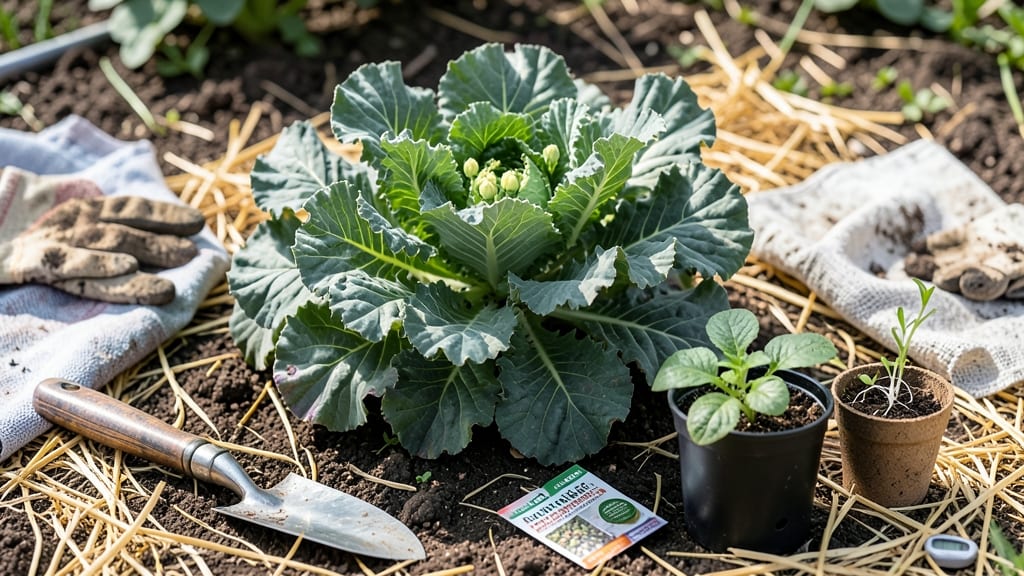
Planting a garden in Michigan at the right time means the difference between a thriving harvest and a wasted season—because those frost dates can shift faster than you’d expect.
Michigan’s unpredictable frost dates can turn a gardener’s dream into a risky gamble—but timing your plantings just right means the difference between a bountiful harvest and a sad, wilted disappointment.
Whether you’re in USDA Zone 4b or 6b, the key is knowing when the soil warms and the last frost is actually behind you—not just what the calendar says.
Below, I break down the exact frost-free windows by zone, which crops to plant when, and how to adjust for Michigan’s wild weather swings.
Michigan’s frost-free planting timeline by USDA Zone (2024 data)
Michigan’s USDA zones 4b through 6b create a diverse planting landscape, where last frost dates can vary by 3+ weeks between northern and southern regions. Understanding these frost-free windows is critical—because planting too early risks frost damage, while waiting too long shortens your growing season.
The 10-day rule (planting after the average last frost date plus 10 days) gives seedlings time to establish roots before summer heat arrives.
For example, Zone 6b (southern Michigan) typically sees its last frost around April 20th, while Zone 4b (north) often waits until May 15th. These dates aren’t set in stone—microclimates (like urban heat islands or lake-effect zones) can shift your timeline by 1-2 weeks.
That’s why I always check local frost forecasts from the Midwest Regional Climate Center before committing to planting dates.
Here’s how to use this data: First, identify your USDA zone (find it via the USDA Plant Hardiness Zone Map). Then, note your average last frost date—this is your starting point.
Add 10 days for warmth-loving crops (like tomatoes) and subtract 2 weeks for cool-season plants (like spinach). Finally, monitor nighttime temperatures—if they’re consistently above 50°F (10°C), it’s safe to plant tender seedlings.
🌱
| USDA Zone | Avg. Last Frost | Avg. First Frost | Frost-Free Window | Safe Planting Window |
|---|---|---|---|---|
| Zone 4b (Northern MI) | May 15 | October 5 | 143 days | May 25 – June 10 |
| Zone 5a (Central MI) | April 25 | October 10 | 168 days | May 5 – May 20 |
| Zone 5b (Southern MI) | April 20 | October 15 | 178 days | April 30 – May 15 |
| Zone 6a (Thumb Region) | April 10 | October 20 | 194 days | April 20 – May 5 |
| Zone 6b (Southwest MI) | April 5 | October 25 | 203 days | April 15 – April 30 |
Let’s break down how to apply these dates. For warm-season crops (tomatoes, peppers, cucumbers), wait until your safe planting window—this ensures soil temperatures are above 60°F (15°C). For cool-season crops (lettuce, peas, spinach), you can plant 4-6 weeks before your last frost date.
I always start cool-season seeds indoors in early March to get a head start on the season.
Pro tip: Use row covers or cold frames to extend your planting window by 2-3 weeks in spring or fall. For example, in Zone 5a, you can plant spinach or kale as early as March 20th under protection.
Just remove covers when flowers appear to prevent cross-pollination. I’ve successfully grown broccoli in early April using this method!
Don’t forget about soil temperature—it’s just as critical as air temperature. Use a soil thermometer to confirm warmth before planting. For most vegetables, aim for 50°F (10°C) for cool crops and 60°F (15°C) for warm crops.
In Zone 4b, I’ve seen soil warm up 2 weeks later than air temperatures, so patience is key. If your soil is cold, wait—rushed plantings lead to poor germination and stunted growth.
For perennials and shrubs, timing matters too. Plant them in early spring (April) or fall (September-October) when soil is workable but not frozen. I’ve found that late-summer plantings (August) give roots time to establish before winter, especially in Zone 5b.
Just water deeply after planting to reduce transplant shock.
Finally, keep a gardening journal to track your local frost dates—over time, you’ll notice patterns that differ from the averages. For instance, my Zone 5a garden in Traverse City often sees its last frost 1 week later than the average due to lake-effect warming. Adjust your
Best planting schedule for Michigan crops: cool vs. warm season vegetables
Michigan’s cool and warm season vegetables thrive on precise timing—plant too early or late, and you risk frost damage or stunted growth. The key lies in understanding each crop’s temperature preferences and using Michigan’s frost-free windows to your advantage.
For example, tomatoes and peppers need warm soil, while lettuce and spinach can handle cooler temps. Let’s break it down by crop type and how to extend your growing season.
One of my favorite tricks for Michigan gardeners is using row covers and cold frames to push boundaries. These tools let you plant warm-season crops like basil and cucumbers 2-3 weeks earlier in spring—or even harvest cool-season greens like kale well into fall.
The goal? A longer harvest window without sacrificing quality. Below, I’ll share the exact planting schedule I follow, tailored to Michigan’s USDA zones 4b-6b.
- 🌱 Cool-Season Crops (Plant in Early Spring or Fall): Lettuce, spinach, peas, and broccoli thrive in 40-65°F soil. Start seeds indoors 4-6 weeks before last frost (typically March-April for spring) or direct-sow in September-October for fall harvests.
- ☀️ Warm-Season Crops (Plant After Last Frost): Tomatoes, peppers, and beans need 60°F+ soil. Wait until two weeks after your area’s average last frost date (usually mid-May to early June in Michigan) to transplant seedlings or sow seeds.
- ❄️ Extend Warm-Season Growth with Row Covers: Use lightweight covers to plant tomatoes and peppers 2-3 weeks earlier in spring. Remove covers when plants outgrow them or temps rise above 80°F to avoid overheating.
- 🌿 Fall Planting for Cool-Season Crops: Sow kale, carrots, and radishes in late summer (August) for a fall-winter harvest. Use cold frames to protect tender greens from light frosts (28-32°F).
- 🔄 Succession Planting Trick: For continuous harvests, replant lettuce and radishes every 2 weeks from spring to early fall. This ensures you’re always eating fresh, homegrown greens.
For warm-season favorites like tomatoes and peppers, I swear by the 10-day rule: Wait 10 days after your last frost date to transplant seedlings. This gives the soil time to warm up and reduces the risk of shock.
Pro tip: Use a soil thermometer—ideal temps for warm-season crops are 70-85°F. If your soil is cooler, hold off until it heats up naturally or use black plastic mulch to speed the process.
Don’t overlook cool-season crops like broccoli and cabbage—they’re hardy enough to handle Michigan’s early springs and late falls. I often direct-sow these in late August for a harvest before winter sets in.
Pair them with radishes, which mature in just 25 days, for quick wins. These fast growers give you a sense of accomplishment while you wait for slower crops to establish.
One common mistake I see is planting warm-season crops too early and watching them wilt during a late frost. To avoid this, I always check the National Weather Service’s frost predictions and adjust my schedule.
For example, in USDA Zone 4b (northern Michigan), I might delay planting tomatoes until June 1, while in Zone 6b (southern Michigan), I can start as early as May 15. Flexibility is key!
Finally, don’t forget about herbs like basil and cilantro. Basil is a warm-season lover—plant it after the last frost and enjoy it until fall. Cilantro, however, bolts in heat, so I sow it in early spring and late summer for two harvests.
With these strategies, you’ll maximize your Michigan garden’s potential and enjoy fresh produce from May through October—or even longer with a little planning! 🌱