
Picking
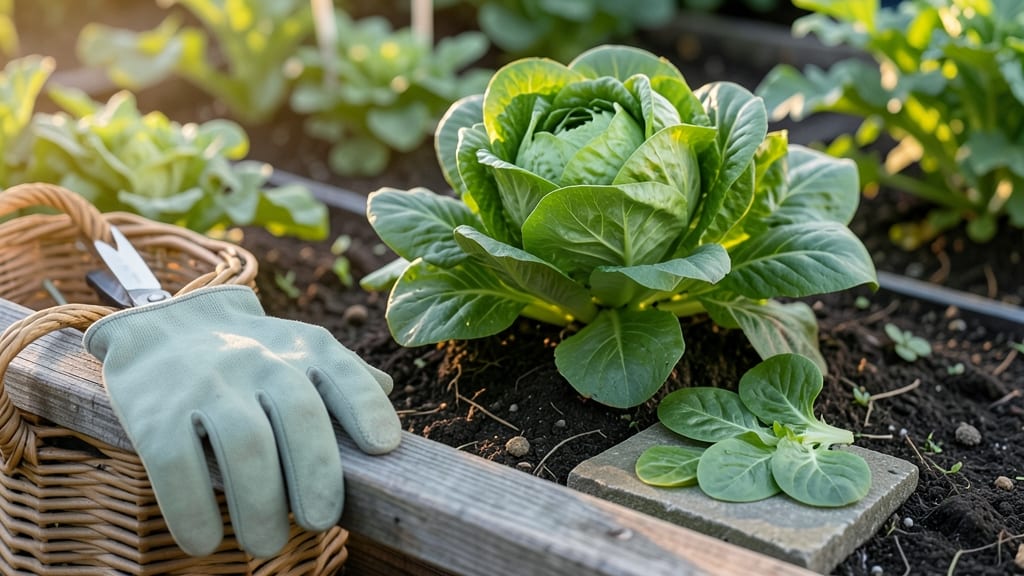
Garden lettuce is ready to pick when leaves reach 4-6 inches and feel crisp but tender—timing that turns your homegrown 🥬 from sad to spectacular.
Picture this: you’ve nurtured your lettuce for weeks, only to hesitate at harvest time, wondering if it’s quite ready. One wrong move and you’re left with bitter leaves or a plant that bolts before you can enjoy it.
The key? Knowing the exact visual cues—leaf size, color, and firmness—that signal peak freshness.
Most varieties take 30-60 days to mature, but heat or overcrowding can speed up bolting. I’ll show you how to test for readiness without guessing, plus how to extend your harvest window so your garden keeps delivering crisp salads all season.
Skip the trial-and-error: by the end, you’ll confidently snip leaves at the perfect moment—no more mushy disappointment, just restaurant-quality crunch. Let’s get started.


How to test lettuce leaf size and texture for optimal harvest timing
Knowing when to harvest your lettuce can feel like guessing—until you learn the visual and physical cues that signal perfect readiness. The difference between crisp, tender leaves and bitter, overmature greens often comes down to timing.
I’ve found that checking leaf size, texture, and color gives me the confidence to harvest at the ideal moment, whether I’m growing butterhead, romaine, or loose-leaf varieties.
Most gardeners make the mistake of waiting too long, thinking bigger leaves mean better flavor. But overmature lettuce becomes tough, bitter, and often bolts—sending up flower stalks that ruin the tender texture we love.
The key is to harvest when leaves reach their peak crispness but before they start to yellow or develop thick stems. For me, this usually happens between 30 to 60 days after planting, depending on the variety and growing conditions.
Here’s the step-by-step guide I use to test lettuce readiness, so you can enjoy your harvest at its best:
| Lettuce Type | Ideal Leaf Size | Texture Test | Color Indicator | Harvest Time |
|---|---|---|---|---|
| Butterhead | 4-6 inches | Firm but tender | Deep green, no yellow | 35-50 days |
| Romaine | 6-8 inches | Crisp, upright stems | Bright green, no browning | 50-60 days |
| Loose-Leaf | 3-5 inches | Tender, slightly pliable | Rich green, vibrant | 25-40 days |
| Iceberg | 8-10 inches (head) | Dense, compact | Pale green, crisp | 70-80 days |
First, check the leaf size of your lettuce. For butterhead varieties, aim to harvest when the outer leaves reach 4 to 6 inches in length.
If you’re growing romaine or iceberg, wait until the leaves or heads reach 6 to 8 inches or larger, depending on the specific variety. I always measure a few leaves to ensure consistency—this helps avoid harvesting some plants too early while others lag behind.
Next, perform the texture test by gently squeezing a leaf between your fingers. Ready-to-harvest lettuce should feel firm yet tender, almost like a well-made spring roll wrapper. If the leaf feels mushy or overly soft, it’s likely overwatered or past its prime.
On the flip side, if it’s too stiff or crunchy, it may need a few more days to mature. This test is my go-to method for determining crispness without cutting into the plant prematurely.
Color is another critical visual cue. Healthy, ready-to-harvest lettuce should be vibrant and uniformly colored, whether that’s deep green for butterhead or bright green for romaine. Watch out for yellowing leaves or brown edges, which signal stress—often from heat, drought, or overmaturity.
I’ve learned to harvest in the early morning when leaves are at their crispest, as the cool night air helps them retain moisture and color.
Timing is everything when it comes to avoiding bitter lettuce. If you wait too long, the leaves will start to bolt, sending up a tall flower stalk and making the remaining leaves tough and bitter.
This is especially true in hot weather, when lettuce senses the end of its growing season and rushes to reproduce. To prevent this, I always harvest outer leaves first for loose-leaf varieties or the entire head for butterhead and romaine when they reach the ideal size.
For loose-leaf varieties, you can use the cut-and-come-again method, harvesting outer leaves every 2 to 3 weeks to encourage regrowth. This extends your harvest season and ensures you always have fresh, tender greens.
I’ve found that loose-leaf lettuce is the most forgiving—it’s happy to regrow after a light trim, as long as you leave the inner leaves and growing point intact.
If you’re growing head lettuce, like butterhead or romaine, timing is even more precise. The entire head should feel compact and firm, with no gaps or loose leaves.
I like to check the stem thickness—when it’s about 1/4 inch thick, it’s usually time to harvest. At this stage, the head will pull cleanly from the soil,
Common mistakes that make lettuce bitter or bolt before harvest
Even the most patient gardeners can end up with bitter lettuce or plants that bolt prematurely. These issues usually stem from simple but critical mistakes in timing and care.
Understanding why lettuce turns bitter—whether from overmaturity or heat stress—helps you avoid disappointment at harvest time. Similarly, preventing bolting requires attention to spacing, watering consistency, and environmental conditions.
One of the biggest culprits is waiting too long to harvest. Lettuce leaves naturally develop bitter compounds as they mature, especially when exposed to hot afternoon sun. This is your plant’s way of protecting itself from stress, but it ruins the tender flavor we love.
Even worse, if your lettuce starts to bolt (send up a flower stalk), those leaves will become tough and inedible. Bolting often happens when plants feel crowded or experience temperature swings.
Another common mistake is inconsistent watering. Lettuce thrives on even moisture, but uneven watering—whether from drought or overwatering—triggers stress responses that lead to bitterness or early bolting. Mulching helps maintain soil moisture, but even this won’t save you if your watering schedule is erratic.
Pay close attention to the soil’s top inch; it should stay consistently damp, not soggy or dry.
⚠️ When Is Garden Lettuce Ready to Pick?
Harvest lettuce when outer leaves reach 4-6 inches and are dark green and crisp. For head lettuce, pick when the head is firm and compact. Wait too long, and leaves turn bitter or tough—or worse, the plant bolts! Use this rule: Harvest before heat stress sets in (typically 45-60 days after planting).
Overcrowding is another silent killer of lettuce flavor. When plants compete for nutrients and sunlight, they grow leggy and develop bitter, fibrous leaves. Always follow spacing guidelines: 12-18 inches apart for head lettuce and 6-12 inches for loose-leaf varieties.
Thin seedlings early to avoid stunted growth, and consider succession planting to keep a steady harvest without overcrowding.
Heat stress is a sneaky enemy, especially in summer gardens. Lettuce is a cool-season crop, so when temperatures climb above 75°F (24°C), it reacts by bolting or developing bitter, rubbery leaves.
To extend your harvest window, opt for heat-tolerant varieties like Jericho or Black Seeded Simpson, and provide afternoon shade with row covers or shade cloth. Planting in early spring or fall also helps avoid these issues.
Finally, don’t ignore the role of fertilizer timing. Too much nitrogen late in the season can encourage rapid growth that leads to bitterness. Stick to a balanced fertilizer (like 5-10-10) at planting and avoid heavy feeding as harvest nears.
Instead, focus on organic matter like compost to keep soil rich without overstimulating the plants.
By avoiding these common pitfalls—overmaturity, heat stress, overcrowding, and inconsistent care—you’ll enjoy crisp, sweet lettuce all season long. The key is harvesting at the right moment and giving your plants the ideal growing conditions.
With these tips, you’ll turn bitter disappointments into flavorful successes every time! 🥬