
Blooming
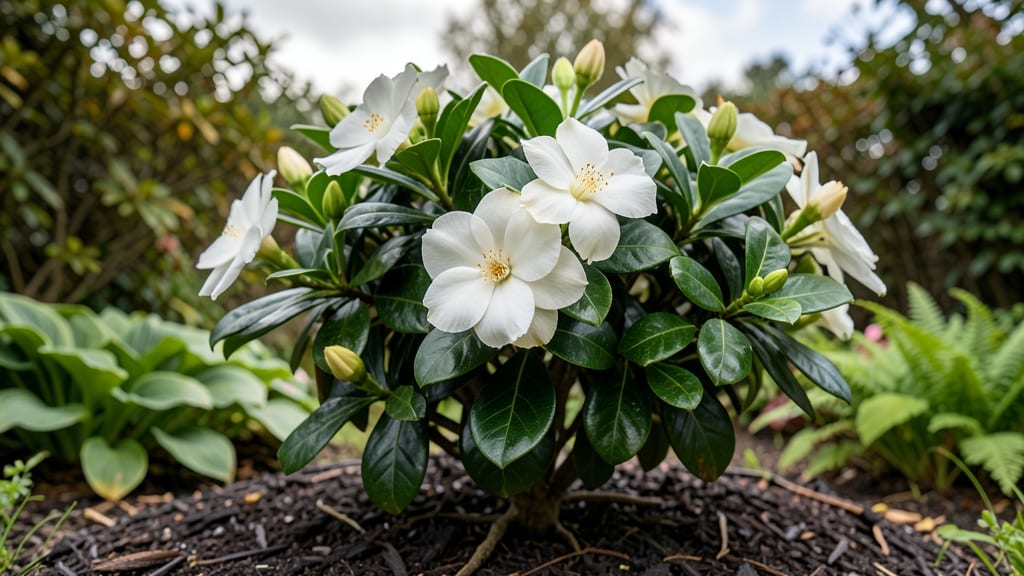
When do gardenias flower? Their blooms typically appear from late spring through summer 🌸 — a fragrant spectacle that transforms your garden into a sweet-scented retreat.
But here’s the catch: timing isn’t one-size-fits-all. In Zone 6, your gardenias might start flowering in early June, while in warmer regions like Zone 9, they could burst into bloom as early as May.
A few degrees or a shift in sunlight can push that window forward or back by weeks.
If you’re itching for those creamy-white blossoms to last longer, the secret lies in the details: soil pH, pruning timing, and even how much you water. Get these right, and you could stretch your gardenia’s flowering season from a few weeks to two full months of intoxicating fragrance.
Below, I’ll break down the exact month-by-month blooming schedule for your zone, plus the three care tweaks that make all the difference between a brief burst of flowers and a lush, long-lasting display.
Gardenia flowering seasons by USDA Zone: a month-by-month breakdown
Gardenias are famous for their creamy white blooms and heavenly fragrance, but their flowering windows vary dramatically across USDA Zones 7-11. In warmer climates like Zone 11, you might enjoy blooms nearly year-round, while Zone 7 gardeners see a concentrated summer display.
Understanding these patterns helps you plan pruning, fertilize strategically, and even extend the season with simple care tweaks.
Temperature and sunlight are the key drivers of gardenia blooming. These plants thrive in humid, warm conditions but struggle with extreme heat or frost.
In Southern climates (Zones 9-11), blooming often starts as early as February, while Northern gardeners (Zones 7-8) typically see flowers arrive in late spring. Let’s break down the month-by-month blooming schedule so you can time your care routine perfectly.
| USDA Zone | Early Blooms | Peak Blooms | Late Blooms | Notes |
|---|---|---|---|---|
| Zone 7 | Late May | June - July | Early August | Short season; protect from frost. |
| Zone 8 | Early May | May - August | September | Longer season; prune after frost risk passes. |
| Zone 9 | February | March - October | November | Nearly year-round blooms; minimal winter dormancy. |
| Zone 10 | January | February - November | December | Blooms year-round with proper care; shade in summer. |
| Zone 11 | December | January - December | Continuous | Tropical conditions; protect from strong afternoon sun. |
In Zone 7, gardenias are summer stars with a 6-week blooming window from late May to early August. The key to success here is protecting plants from late spring frosts and ensuring consistent moisture during dry spells.
I’ve seen gardenias in northern Zone 7 (e.g., St. Louis) bloom slightly later than those in southern Zone 7 (e.g., Atlanta) due to cooler nights.
Moving to Zone 8, the blooming season extends dramatically, often starting in early May and lasting until September. This zone benefits from longer growing seasons, allowing gardenias to produce multiple flushes of blooms.
In coastal areas like Charleston, SC, humidity levels are ideal, while inland regions may require extra mulching to retain soil moisture.
Gardeners in Zones 9-11 enjoy the luxury of near-continuous blooms. In Zone 9, expect flowers from February through October, with peak displays in spring and fall. The real magic happens in Zones 10-11, where gardenias can flower year-round if given proper shade and water.
I’ve grown gardenias in Miami (Zone 11), and with afternoon shade cloth, they’ve produced blooms even in summer’s harshest months.
Sunlight plays a critical role in timing blooms. Gardenias need 4-6 hours of morning sun but afternoon shade to prevent leaf scorch. In hotter zones (10-11), too much direct sun can stress plants and cause bud drop. I’ve found that east-facing locations work best—giving them
How to extend gardenia blooming: pruning, fertilizing, and care tips for longer flowers
Gardenias naturally bloom from late spring to early fall, but with the right care, you can coax them into flowering earlier or later in the season. The key lies in understanding their growth cycles and adjusting your care routine to match.
Whether you’re dealing with a potted plant or an in-ground shrub, small tweaks can transform a single-season bloom into a prolonged floral display.
Most gardenias enter their budding phase when days grow longer and temperatures rise, typically around May or June in most USDA zones.
However, by fine-tuning pruning schedules, soil conditions, and fertilizer types, you can push blooms to appear as early as April or extend them into October. The secret? Mimicking their natural triggers while avoiding common pitfalls like over-pruning or nutrient imbalances.
- 1
- 2
- 3
- 4
- 5
Start by adjusting your pruning schedule—this is the most direct way to influence bloom timing. If you want earlier blooms, prune your gardenia in late winter or early spring (just as new growth begins).
This encourages the plant to focus energy on bud formation rather than foliage. For later blooms, delay pruning until after the first frost or in early spring to preserve existing buds.
Fertilizer choice makes a huge difference. Gardenias thrive on high-phosphorus feeds (like 10-20-10 or azalea fertilizer) because phosphorus promotes flowering. Apply it every 4-6 weeks during the growing season, but skip it in winter—over-fertilizing then can lead to leaf burn or bud drop.
Pair this with a mulch layer of pine bark or compost to maintain soil acidity and moisture.
Don’t overlook light and water—both play critical roles. Gardenias need partial shade (especially in hot climates) to prevent bud drop from stress. Water deeply every 2-3 days in summer, but avoid wet foliage to prevent fungal diseases like powdery mildew.
If your gardenia is potted, move it to a shadier spot during peak afternoon sun to protect delicate blooms.
Avoid these common mistakes that shorten blooming: pruning in fall or winter, using alkaline soil, or letting the plant dry out completely. Instead, focus on consistent care—like weekly misting for humidity-loving varieties and annual pruning to remove dead or crossing branches.
With these adjustments, your gardenia could reward you with fragrant blooms for up to 4 months instead of just 2!