
Blooming
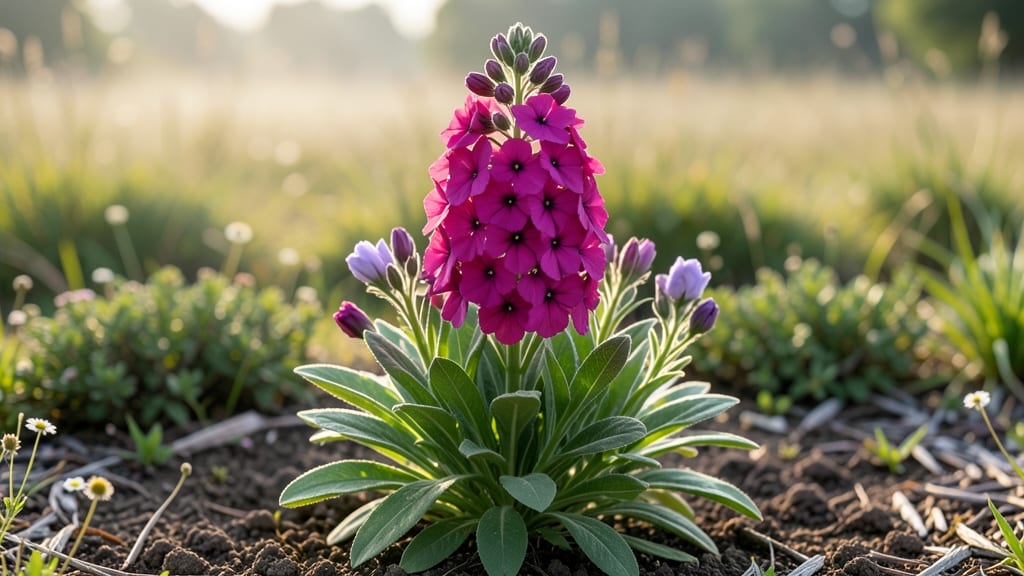
Garden phlox blooms in mid-to-late summer 🌸, turning your yard into a vibrant, fragrant masterpiece when timed just right.
If you’ve ever wondered why your garden seems to hit its peak beauty in August—only to fade too soon—these showstopper flowers might be the key. With the right care, they can extend their display for weeks, keeping your outdoor space lively long after other summer blooms have faded.
Timing varies by variety and climate, but most garden phlox thrive in USDA Zone 6a with full sun exposure. Planting in spring (March-April) sets the stage for a stunning summer show, while proper pruning and deadheading can push blooms into early fall.
Below, I’ll break down the exact bloom windows by region, share care tips to prolong their season, and suggest companion plants to keep your garden in full color from summer through autumn.
Garden phlox blooming seasons: exact timing by variety and climate
Garden phlox transforms summer gardens with its fragrant clusters, but their bloom timing varies dramatically. Understanding these differences helps you plan sequential color and avoid gaps in your seasonal display.
Whether you're in cool northern climates or hot southern regions, knowing when each variety peaks ensures your garden stays vibrant from June through September.
Phlox varieties fall into three main bloom categories: early, mid, and late summer. Early bloomers like Drummond phlox kick off the season in June, while tall garden phlox typically shine in August. Woodland phlox offers a quieter, extended display from July to early fall.
Climate plays a crucial role—cooler zones may see blooms start 2-3 weeks earlier than warmer southern gardens.
Here’s the key timing breakdown for popular varieties across USDA zones 3-9, including regional adjustments:
Tall garden phlox is the star of late summer, typically blooming from mid-July to September in cooler climates. In USDA zones 8-9, expect blooms to start earlier—often by June—and fade by early August. This variety thrives in full sun and well-drained soil, making it ideal for back-of-border plantings where it can reach its full 3-4 ft height.
Drummond phlox, the early-season hero, blooms from May through July, depending on your region. Unlike its perennial cousins, this annual variety is perfect for container gardens or filling gaps in spring beds. Its compact size (1-2 ft tall) and drought tolerance make it a low-maintenance choice for xeric landscapes.
Woodland phlox offers a softer, extended display from late June through September in cooler zones. In warmer climates, its blooms may appear as early as May but fade by July. This variety excels in partial shade, making it ideal for woodland gardens or understory plantings where it pairs beautifully with ferns and hostas.
To create a sequential color show, combine early bloomers like creeping phlox (May-June) with mid-season woodland phlox and late-season tall garden phlox. In USDA zone 5
How to extend phlox blooms: pruning and care tips for longer flowering
Garden phlox typically dazzles from mid-July to early September, but with the right care, you can stretch that showstopping display by 3-4 weeks. The secret lies in understanding their natural cycle and giving them the support they need to keep blooming.
I’ve found that combining regular pruning, proper nutrition, and consistent watering transforms a two-month display into a near four-month floral extravaganza.
Most gardeners make one critical mistake: they stop caring once the first blooms appear. But phlox are heavy producers—they’ll keep making new flowers if you encourage them. Think of it like giving them a second wind after their initial burst of color.
The key is acting at the right times, especially when it comes to deadheading and fertilizing, to prevent energy from going into seed production instead of more blooms.
🌸 When Do Garden Phlox Bloom?
Most varieties peak in late July to August, but timing shifts by 2-3 weeks depending on your USDA zone and variety:
- Early bloomers: Drummond phlox (June-July)
- Main season: Tall garden phlox (July-August)
- Late bloomers: Woodland phlox (August-September)
In cooler climates (Zones 3-5), blooms may start 2 weeks later than in warmer zones (Zones 6-9).
Let’s start with the simplest but most effective technique: deadheading. This means snipping off spent blooms before they form seed heads. I begin this process as soon as I notice the first flowers starting to fade—usually in early July for my zone 6 garden.
Use clean, sharp pruning shears and cut just above a set of healthy leaves or buds. This redirects the plant’s energy from seed production back into creating new flower stems.
For tall garden phlox varieties that can flop under their own weight, I always install stakes or supports in early June. This isn’t just about aesthetics—it prevents broken stems and allows the plant to focus its energy on blooming rather than repairing damage.
I use bamboo stakes tied gently with soft twine, positioning them around the plant’s base before the first flush of blooms appears. This small effort keeps your phlox upright and bloom-ready.
Now, let’s talk nutrition, because phlox are heavy feeders that need consistent support. I use a balanced organic fertilizer (like 5-5-5 or 10-10-10) every 4-6 weeks starting in early June. For organic options, try fish emulsion or compost tea—both provide the nitrogen and phosphorus needed for robust blooms.
Always water the fertilizer in well to prevent root burn, and avoid fertilizing after mid-August to let the plant prepare for winter.
Watering is another area where many gardeners fall short. Phlox need consistent moisture, especially during their peak blooming period. I water deeply 2-3 times per week in summer, aiming for about 1 inch of water each session.
The best time is early morning to reduce fungal risks. Mulching with 2-3 inches of organic mulch helps retain moisture and keeps roots cool—critical for preventing powdery mildew, a common phlox problem.
Finally, watch for signs of stress or disease. Yellowing leaves often signal overwatering or nutrient deficiency, while white powdery spots mean it’s time for a neem oil spray. I’ve found that good air circulation (thanks to proper spacing) and regular inspections keep my phlox thriving.
With these care tips, you’ll enjoy your phlox’s vibrant display for weeks longer than the average gardener—and maybe even into early October!