
Pests
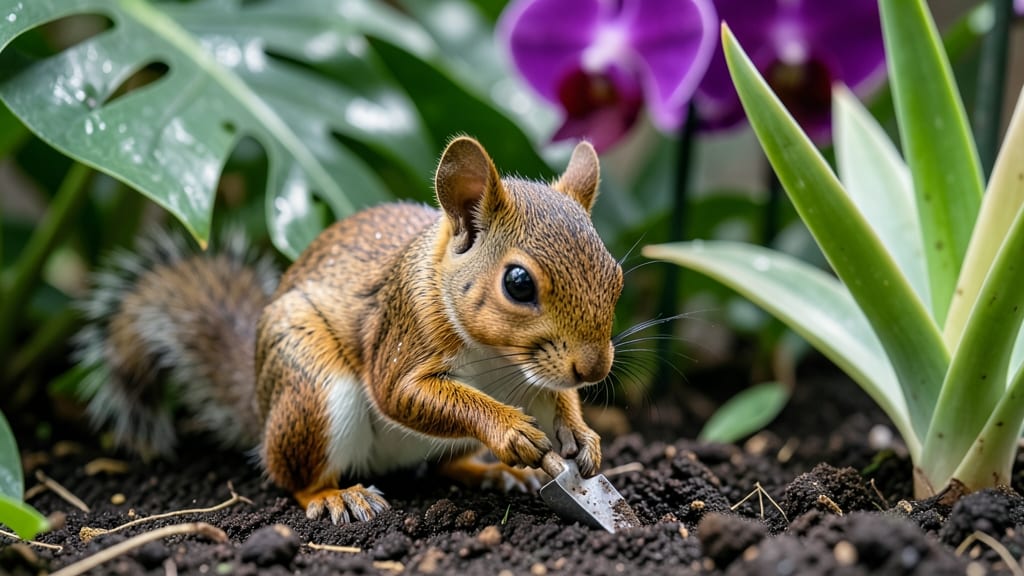
Yes, the squirrel work on exotic plants grow a garden can devastate gardens by systematically targeting tender shoots, excavating bulbs, and gnawing bark—especially on rare or unfamiliar species. Their relentless foraging leaves gardens vulnerable unless you implement strategic deterrents like physical barriers, repellents, or habitat adjustments.
These rodents don't just nibble—they methodically dismantle exotic gardens because unfamiliar plants lack natural defenses squirrels recognize. 🌿 Their curiosity often leads them to strip bark from young trees or dig up prized bulbs, leaving your carefully curated collection in tatters.
The key to protection lies in disrupting their patterns: combining physical barriers (like wire mesh around vulnerable plants) with natural repellents (such as cayenne pepper sprays) creates a multi-layered defense system that actually works. I've seen gardens go from squirrel buffets to thriving sanctuaries by simply adding these targeted strategies.
What makes this especially frustrating is how selective squirrels can be—they'll ignore hardy natives but systematically attack your prized orchids or rare succulents. The solution requires understanding their behavior: they're drawn to soft, nutrient-rich foliage and the novelty of exotic species they don't encounter in the wild.
By combining physical protection with habitat modification (like removing nearby food sources), you can dramatically reduce their garden raids while preserving both your plants and your sanity.
💡 In This Article
- Why Squirrels Prefer Exotic Plants Over Native Species
- Effective Squirrel-Proofing Strategies for Exotic Gardens
Why squirrels prefer exotic plants over native species
Squirrels exhibit what scientists call "neophilia"—a natural curiosity toward unfamiliar foods.
When exotic plants enter their foraging range, these rodents treat them like a buffet of novel delicacies. 🌱 Unlike native species that squirrels have evolved alongside (and often learned to avoid due to toxins or poor nutrition), exotic plants frequently offer higher moisture content and softer tissues that require less chewing.
For example, a squirrel might completely ignore a tough, fibrous native oak leaf but happily strip the tender, fleshy leaves of a rare tropical hibiscus.
The nutrient advantage is striking: exotic plants often contain different mineral profiles than what squirrels typically encounter.
A study published in the Journal of Mammalogy found that squirrels preferentially target plants with elevated nitrogen levels—common in many exotic species—because it supports their rapid growth needs during breeding season. 🔬 This preference becomes especially destructive when squirrels target young shoots or newly planted bulbs, which contain concentrated nutrients in their most vulnerable forms.
The bark of exotic trees, often thinner and less resinous than native species, provides an easy protein source that squirrels can't resist.
Seasonal patterns amplify this behavior. Squirrels time their foraging to match when exotic plants are most vulnerable—typically during late spring when new growth emerges or early autumn when seeds and fruits ripen. 🌿 In urban gardens, where squirrels face fewer natural predators, this behavior becomes even more pronounced.
They'll systematically strip bark from young trees (a behavior called "girdling") or dig up entire bulbs, leaving behind a trail of destruction that can take years to recover from. The irony? Many exotic plants are chosen precisely because they're more ornamental or productive than native species—making them prime targets.
Another critical factor is the lack of natural defenses. Native plants often develop chemical deterrents or physical adaptations (like thick bark) through co-evolution with local wildlife.
Exotic species, however, haven't had time to develop these protections, making them easy prey. 🐿️ For instance, a squirrel might avoid the toxic leaves of a native yew tree but happily munch on a non-native azalea without hesitation.
This mismatch creates a perfect storm for garden destruction, where squirrels act like nature's unchecked culinary critics.
Consider the case of Japanese maples—a prized exotic tree whose delicate leaves and thin bark make them a squirrel's dream. These trees often suffer complete defoliation in a single night, with squirrels returning night after night until the tree is severely weakened.
The damage isn't just aesthetic; it can kill the plant by exposing it to disease or preventing it from photosynthesizing properly. This selective targeting explains why gardeners often see their most valuable exotic plants become the first casualties.
Understanding this behavior is the first step in protection. Squirrels aren't randomly destructive—they're following an evolved foraging strategy that happens to target the plants we value most.
By recognizing these patterns, you can implement defenses that work with squirrel behavior rather than against it. 💡 The key is making exotic plants less appealing than their native alternatives while maintaining the garden's aesthetic and ecological balance.