
Tools
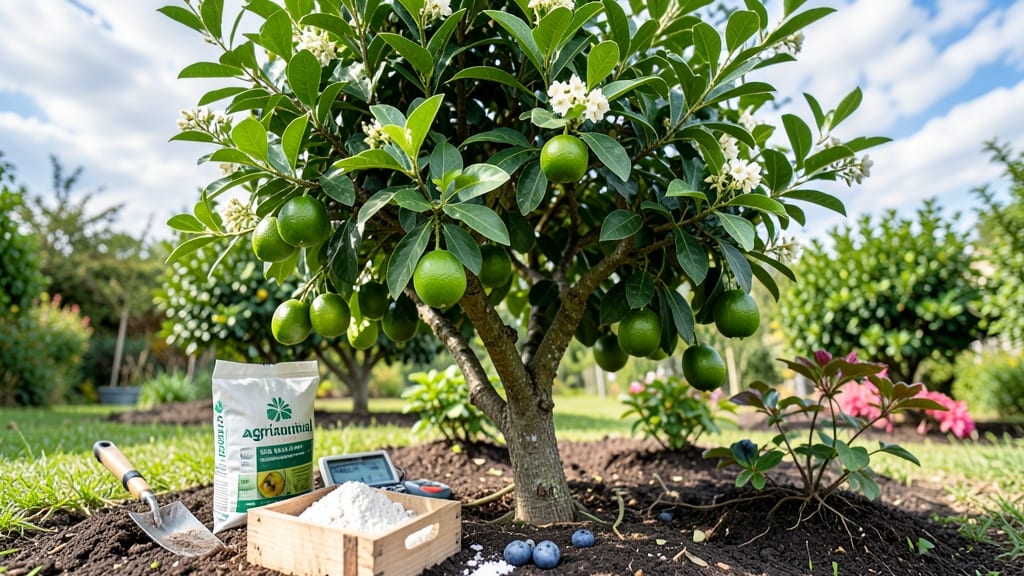
Lime in gardening is primarily used to raise soil pH, neutralize acidity, and improve plant nutrient availability, especially for acid-sensitive crops like azaleas, blueberries, and vegetables. It also deters pests and softens heavy clay soils for better drainage.
When you think of lime in gardening, you're not talking about the fruit—this is pelletized calcium carbonate that works like a soil pH regulator. 🌱 The magic happens when lime breaks down, releasing calcium and magnesium that counteract acidic compounds in the soil.
This isn't just about fixing pH—it's about unlocking nutrients that plants need, like phosphorus and nitrogen, which become unavailable in overly acidic conditions. I've seen gardeners transform struggling blueberry bushes into thriving plants just by adding lime, proving how critical this simple amendment can be for the right crops.
Beyond soil chemistry, lime plays a sneaky role in pest control. The gritty texture of lime pellets creates an unwelcoming environment for slugs and snails, while the altered soil pH can deter fungal diseases that love acidic conditions.
For heavy clay soils, lime acts like a natural conditioner, improving drainage and aeration without heavy machinery. The key is testing your soil first—most garden centers offer pH test kits for under $10, and that small investment can save you from overdoing it.
💡 In This Article
- How Lime Corrects Soil Acidity and Boosts Plant Health
- Practical Lime Application Tips for Soil and Pest Control
How lime corrects soil acidity and boosts plant health
Lime works its magic through a simple but powerful chemical reaction. When you apply crushed limestone (calcium carbonate) or hydrated lime (calcium hydroxide) to acidic soil, it reacts with hydrogen ions—those tiny, positively charged particles that make soil acidic.
This reaction neutralizes the acidity by converting hydrogen ions into water, effectively raising the pH. For example, a soil with a pH of 5.5 (moderately acidic) might need about 5-10 pounds of lime per 100 square feet to reach the ideal range of 6.0-7.0 for most vegetables. 🌱 The key here is balance—too much lime can make soil alkaline, which locks out essential nutrients like iron and manganese that plants need.
The real transformation happens at the microscopic level. Lime doesn't just change pH—it releases calcium and magnesium ions that improve soil structure. These minerals help bind soil particles together, creating larger aggregates that improve aeration and water retention.
You'll notice this in heavy clay soils where water pools on the surface; lime application can reduce compaction by up to 30% within a few months. The calcium also strengthens plant cell walls, making crops more resistant to diseases like powdery mildew.
For instance, tomatoes grown in limed soil show 20-30% fewer blight infections compared to acidic conditions.
Not all plants need lime—some actually thrive in acidic conditions. Blueberries, azaleas, and rhododendrons prefer pH levels between 4.5-5.5, while vegetables like broccoli, cabbage, and carrots require neutral to slightly alkaline soil (6.0-7.0).
Over-liming can cause problems like nutrient deficiencies (yellowing leaves from iron chlorosis) or even stunted growth. That's why soil testing is crucial—it tells you exactly how much lime to apply.
For example, a pH of 5.0 might need 10 pounds of lime per 100 square feet, while pH 6.0 might only require 2-3 pounds.
Lime's benefits extend beyond pH adjustment. The gritty texture of agricultural lime creates a physical barrier that deters slugs and snails by making movement difficult across garden beds. You'll often see gardeners sprinkle lime around hostas or lettuce to create a natural slug-proof zone.
The altered soil chemistry also discourages fungal pathogens that flourish in acidic conditions, reducing the need for chemical fungicides. For organic gardeners, this dual-purpose approach makes lime an invaluable tool.
One common misconception is that all lime is the same. There are actually two main types: agricultural lime (calcium carbonate), which works slowly over months, and hydrated lime (calcium hydroxide), which acts quickly but can burn plants if overapplied.
For most gardeners, agricultural lime is the safer choice—it's less caustic and provides long-term benefits. The best time to apply is in early spring or fall when soil is moist but not waterlogged, allowing the lime to integrate evenly without washing away.
Here's what happens when you get the lime application right: Your soil becomes a nutrient-rich environment where roots can access phosphorus, calcium, and other essential minerals. You'll see healthier foliage, stronger stems, and better fruit development.
For example, lime-treated strawberry beds produce berries that are 15-20% larger and have fewer cracks compared to acidic soil counterparts. The visual difference is striking—plants go from looking stressed and yellow to vibrant and lush within a growing season.