
Tools
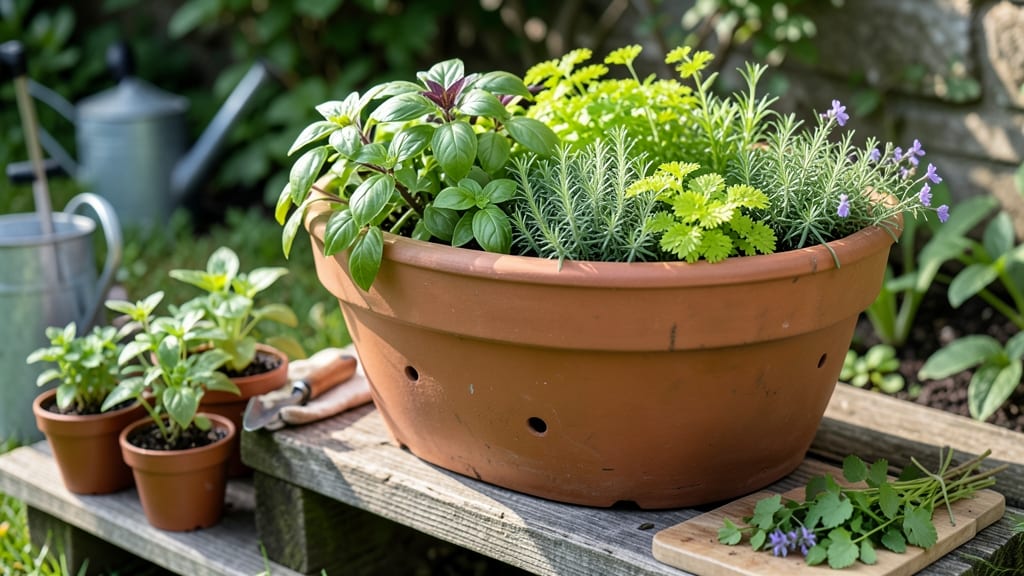
A garden tub is a large, often decorative container designed for growing herbs, vegetables, or small plants directly in home gardens or kitchens, combining practical gardening with stylish aesthetics while saving space.
A garden tub serves as a stylish yet functional alternative to traditional planters, offering deeper soil capacity and often built-in drainage systems.
These containers come in various materials like wood, metal, or ceramic, making them perfect for urban spaces or patios where soil gardening isn't possible. 🌿 The deeper design allows for root development in plants like tomatoes or peppers, while the decorative options let you match your garden's aesthetic—think rustic wood or sleek modern finishes.
Unlike shallow pots, garden tubs provide the space efficiency of containers with the growing potential of raised beds.
What truly sets them apart is their versatility. You can use them for everything from fresh herbs on your kitchen windowsill to full-sized vegetables in your backyard. The key to success lies in choosing the right plants—opt for compact varieties like lettuce, strawberries, or basil that thrive in contained spaces.
Regular maintenance, like consistent watering and seasonal soil replenishment, ensures your garden tub remains productive and visually appealing throughout the year.
💡 In This Article
- How Garden Tubs Differ From Traditional Planters
- Best Plants for Garden Tubs and Maintenance Tips
How garden tubs differ from traditional planters
Garden tubs stand out from standard planters by offering deeper soil capacity—typically 12-18 inches deep—while maintaining the portability of containers.
Unlike shallow pots (which max out at 6-8 inches), this depth allows roots of vegetables like tomatoes or peppers to develop properly, mimicking the growth conditions of in-ground plots. The wider base (often 12-24 inches wide) also provides stability for taller plants that would topple in narrow pots.
The material differences are equally significant. While ceramic planters excel in aesthetics but crack under freezing temperatures, garden tubs often use cedar, redwood, or galvanized metal—materials that resist rot and warping while allowing airflow to roots.
Built-in drainage systems (like slotted bases or removable bottom trays) prevent waterlogging, a common issue in sealed pots. This makes garden tubs ideal for urban balconies where traditional soil gardens aren't feasible.
What sets them apart from raised beds is their mobility. A garden tub can be moved to optimize sunlight exposure or protected during harsh weather, whereas raised beds are fixed installations.
The decorative finishes—ranging from distressed wood to powder-coated metal—also elevate their role as both functional growers and stylish garden features. Unlike traditional planters that focus solely on plant health, garden tubs blend practicality with visual appeal.
Consider the drainage systems: most garden tubs include self-watering reservoirs or elevated legs that create air pockets for roots. This contrasts with many ceramic pots that require manual watering every 1-2 days in hot climates.
The deeper soil volume also means less frequent watering—typically 2-3 times per week—compared to shallow pots that dry out within 24 hours in summer heat.
For urban gardeners, the space efficiency is a game-changer. A single 24-inch wide garden tub can produce as much as a 4-square-foot raised bed but fits on a balcony or patio. The vertical design options (like tiered tubs) maximize growing area in small spaces, something traditional planters simply can't match.
This makes garden tubs the perfect bridge between container gardening and full-scale vegetable plots.
One key distinction is their role in soil health. Garden tubs allow you to customize soil mixes—adding compost or organic matter—without affecting your yard's native soil. This targeted approach gives you control over nutrients, pH levels (6.0-7.0 for most vegetables), and moisture retention that's impossible with standard planters.
The result? Healthier plants with fewer pests and diseases.