
Tools
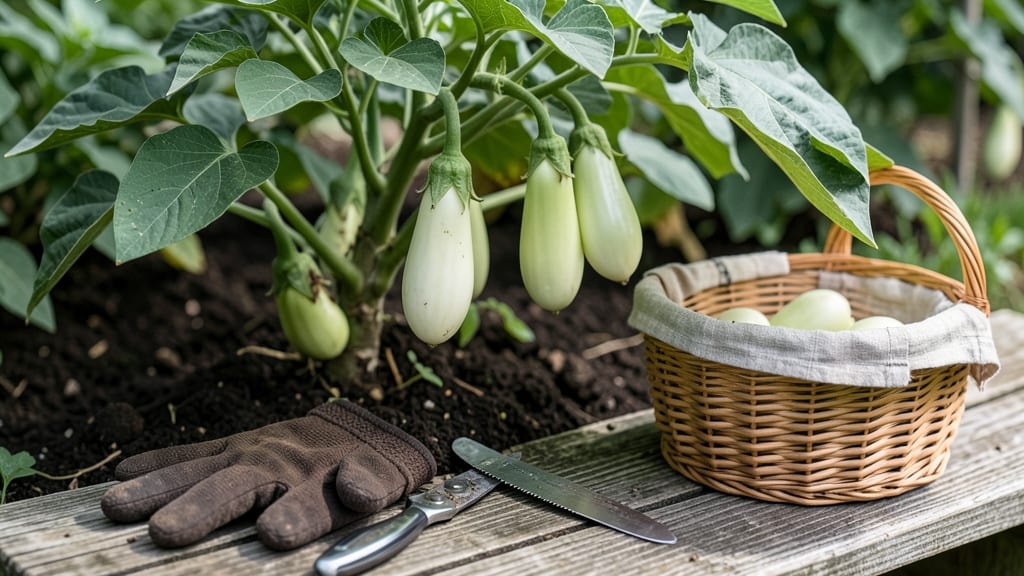
A garden egg is the bitter melon (Momordica charantia), a tropical vine known for its distinctive bumpy, green fruit, sharp flavor, and wide use in both cooking and traditional medicine across Asia and Africa.
A garden egg—often called bitter melon—stands out with its ribbed, egg-shaped fruit that can grow up to 12 inches long. 🌱 Its sharp, slightly bitter flavor (similar to a mix of cucumber and green pepper) makes it a staple in dishes like stir-fries and curries, though many first-timers need to adjust their palates.
Beyond its culinary role, this plant has been used for centuries in Ayurvedic and Chinese medicine to help regulate blood sugar levels, which is why you'll find it in both savory recipes and herbal teas.
What's fascinating is how this plant adapts: it thrives in warm climates but can also grow in containers if you provide enough sunlight. Many home gardeners start with seeds, though cuttings from mature vines often produce faster results.
The key to reducing its bitterness? Soaking slices in saltwater for 10 minutes before cooking—this simple trick opens up a world of flavor possibilities.
💡 In This Article
- Identifying Garden Egg Plants and Their Growing Conditions
- Culinary and Medicinal Uses of Bitter Melon (Garden Egg)
Identifying garden egg plants and their growing conditions
The garden egg plant (Momordica charantia) produces distinctive, warty green fruits that resemble small, elongated eggs—hence the name. These fruits grow on vigorous, trailing vines that can climb up to 10 feet with pointed, lobed leaves that resemble maple leaves but smaller.
The skin is thick and textured, often covered in soft, spiky protrusions that give it a unique tactile experience when handled. 🌿 The plant's flowers are bright yellow and star-shaped, adding a pop of color before the fruit develops.
This tropical vine thrives in warm climates with temperatures between 70-90°F, though it can tolerate brief dips to 50°F if protected. It prefers well-draining soil with a slightly acidic to neutral pH (6.0-7.5) and benefits from regular watering—about 1-2 inches per week—but dislikes waterlogged conditions.
The vines grow rapidly, often reaching maturity in 3-4 months, making them ideal for container gardening in smaller spaces. 🌱 Propagation typically occurs through seeds, which germinate quickly in warm conditions, or from stem cuttings taken from healthy vines.
One fascinating adaptation is how the plant conserves water: its waxy, bumpy fruit surface reduces evaporation, while the deep root system helps it access moisture from deeper soil layers. This makes garden eggs surprisingly resilient in dry climates, provided they receive adequate sunlight—at least 6-8 hours daily.
The plant's hardiness extends to its ability to grow in poor soil conditions, though nutrient-rich soil with compost will yield larger, more productive vines. For home gardeners, starting with seeds is simplest, but cuttings from established plants produce faster-growing, more uniform vines.
When identifying garden egg plants, look for these key botanical markers: the characteristic warty fruit, the pointed lobed leaves, and the bright yellow flowers.
Young fruits are particularly tender and less bitter, making them ideal for early harvests. 🌱 The plant's rapid growth means you can expect the first fruits to appear within 2-3 months of planting, though full production typically takes 4-6 months.
This quick turnaround makes it a rewarding plant for both culinary and medicinal gardeners.
For those in cooler climates, garden eggs can be grown as annuals in containers and brought indoors before the first frost. The plant's ability to tolerate partial shade (though it prefers full sun) makes it adaptable to various growing conditions.
This versatility, combined with its hardy nature, explains why garden eggs have become a staple in tropical and subtropical regions worldwide. 🌍 Understanding these growing requirements ensures successful cultivation, whether you're growing for the kitchen or the medicine cabinet.