
Planting
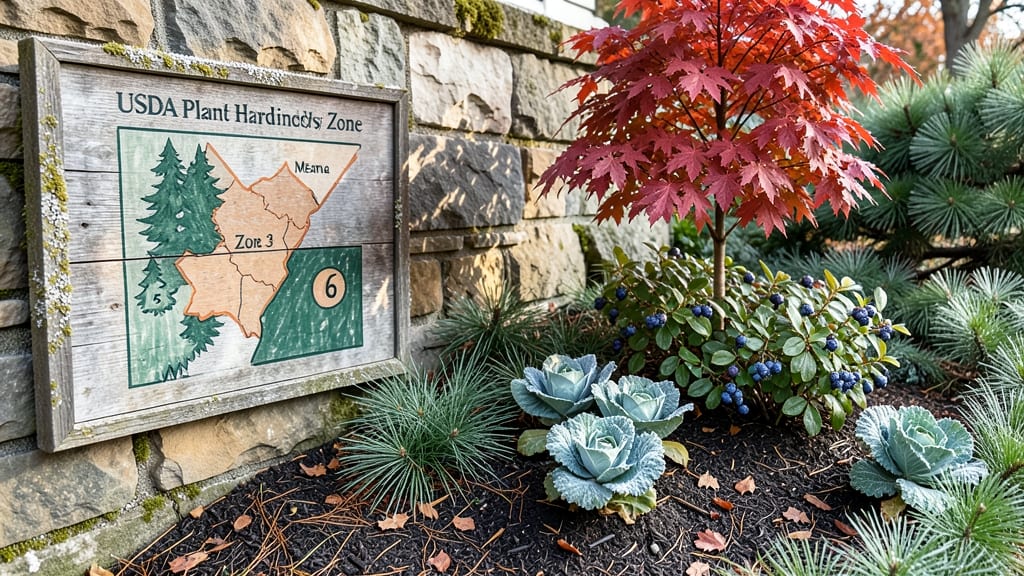
Maine's gardening zones are primarily USDA Hardiness Zones 4 and 5, with coastal areas typically in Zone 5 and inland regions extending into Zone 4. These zones reflect frost dates and cold tolerance thresholds for successful planting.
Understanding Maine's climate zones helps gardeners choose plants that thrive in its chilly winters and short growing seasons.
Coastal areas experience slightly milder winters due to ocean influence, while inland regions face harsher conditions. 🌲 The USDA zone map divides Maine based on average annual minimum temperatures, with Zone 4 enduring colder lows than Zone 5.
This distinction affects everything from frost dates to plant selection—knowing your specific zone can mean the difference between a thriving garden and struggling plants.
For gardeners in Maine, this means selecting perennials and shrubs rated for Zone 4-5 hardiness, such as coneflowers, Russian sage, and hardy hydrangeas. Vegetable choices should prioritize cold-tolerant varieties like kale, Brussels sprouts, and broccoli, which can handle Maine's late spring frosts.
Microclimates—like south-facing slopes or sheltered spots—can also create localized growing conditions that might push your zone slightly higher.
💡 In This Article
- Understanding Maine’s USDA Plant Hardiness Zones
- Best Plants for Maine’s Cold Climate Gardens
Understanding Maine’s USDA plant hardiness zones
The USDA Plant Hardiness Zone Map divides Maine into zones based on the average annual minimum temperature, which directly impacts plant survival. Zone 4 (with average lows of -30°F to -20°F) covers most inland areas, while Zone 5 (average lows of -20°F to -10°F) dominates coastal regions.
This difference occurs because the Atlantic Ocean moderates coastal temperatures, creating a 5-10°F warmer environment compared to inland areas during winter.
Coastal cities like Portland and Bar Harbor typically fall into Zone 5, benefiting from milder winters and longer frost-free periods—often 150-180 days—allowing for earlier spring planting.
In contrast, inland areas like Bangor or Presque Isle experience Zone 4 conditions, with frost-free seasons lasting 120-150 days and colder winter lows that can drop below -30°F. These temperature variations influence everything from frost dates to the types of plants that can thrive.
Frost dates are another critical factor. Inland Zone 4 areas may see their last spring frost as late as May 15-20, while coastal Zone 5 regions can expect frost-free conditions by May 1-10.
This timing affects planting schedules—cool-season crops like peas or lettuce can be sown earlier in coastal zones, while gardeners in Zone 4 must wait longer or use row covers to protect tender plants from late frosts.
Microclimates add another layer of complexity. South-facing slopes or urban heat islands can create localized Zone 5-like conditions even in inland areas, while shaded or low-lying spots may mimic Zone 4.
For example, a garden in central Maine might have a Zone 4 microclimate in shaded areas but Zone 5 conditions on a sunny, south-facing wall. Understanding these variations helps gardeners push the limits of what can grow in their specific spot.
Why does this matter? Plants have specific cold tolerance thresholds—Zone 4 perennials like Russian sage or black-eyed Susans can survive Maine’s winters, while Zone 6 plants like hibiscus or gardenias will likely freeze without winter protection.
The USDA zone map serves as a baseline, but local conditions and microclimates often determine whether a plant will thrive or struggle.
For practical gardening, this means checking the average annual minimum temperature for your exact location using the USDA Interactive Zone Map. Even within a single county, zones can shift by half a zone or more** depending on elevation and proximity to water. 🌿