
Planting
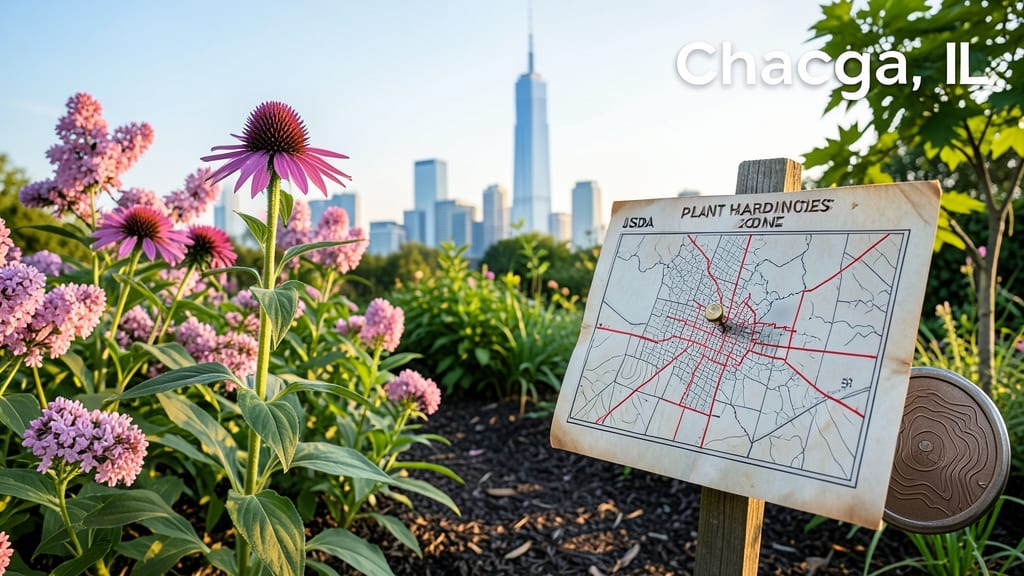
Chicago's gardening zone is primarily USDA Zone 5a and 5b, with some areas reaching Zone 6a, based on average winter lows between -20°F and -10°F (-29°C to -23°C).
Chicago's zone classification matters because it determines which plants thrive year-round. 🌱 The city's urban heat island effect creates microclimates where Zone 6a plants like peonies or Russian sage might survive, while Zone 5a areas near Lake Michigan experience harsher winters.
For accurate planning, check the USDA's interactive map using your specific address, as even neighborhoods just miles apart can differ by one zone.
Understanding these distinctions helps gardeners choose cold-hardy varieties like Korean lilac or Nankin cherry trees that handle Chicago's temperature swings. The USDA's 2024 updates reflect shifting climate patterns, so always verify before planting long-lived perennials or trees.
💡 In This Article
- USDA Zone 5a vs 5b: Key Temperature Differences in Chicago
- Best Plants for Chicago’s USDA Zone 5 Climate
USDA Zone 5a vs 5b: key temperature differences in Chicago
The core difference between Zone 5a and 5b in Chicago lies in their average minimum winter temperatures. Zone 5a experiences -20°F to -15°F (-29°C to -26°C), while Zone 5b sees slightly warmer -15°F to -10°F (-26°C to -23°C).
This 5°F difference may seem small, but it significantly impacts plant survival during extreme cold snaps. NOAA data shows Chicago's coldest periods often dip below these averages, with wind chill making conditions even harsher. 🌬️
Frost dates also vary between the zones. Zone 5a typically sees its last spring frost around May 15, while Zone 5b may delay until May 22. Conversely, Zone 5a's first fall frost arrives around October 10, compared to Zone 5b's October 17.
These 7-10 day differences are crucial for timing sensitive plantings like tomatoes or peppers. The USDA's 2024 updates reflect these shifting patterns due to climate change.
Chicago's urban heat island effect creates microclimates where Zone 6a plants might thrive near downtown, while Zone 5a conditions persist in lakefront areas. The lake moderates temperatures, creating cooler summers and warmer winters near its shores.
This is why Russian sage might survive downtown but struggle near Lake Michigan. Gardeners should verify their exact location using the USDA's interactive zone finder for precise planting guidance.
Plant survival rates also differ between zones. Zone 5a requires hardier varieties like Korean lilac or Siberian pea shrub that tolerate -20°F conditions. Zone 5b can support slightly less cold-hardy plants like Nankin cherry trees or butterfly bush.
The 10% difference in survival rates between these zones becomes critical when investing in long-lived perennials or trees.
Heat zones matter too. Chicago's summers average 80-85°F, but urban areas can reach 90°F+, creating stress for plants unaccustomed to heat. Zone 5a's cooler microclimates near the lake benefit plants like hydrangeas, while Zone 5b's warmer areas suit lavender or rosemary.
Understanding these variations helps create thriving gardens tailored to specific locations within the city.
For accurate planning, always cross-reference the USDA zone with local climate data. Chicago's shifting patterns mean what worked in 2020 might fail in 2024. The city's 10°F temperature swings between summer and winter create unique challenges that require careful plant selection. 🌿