
Planting
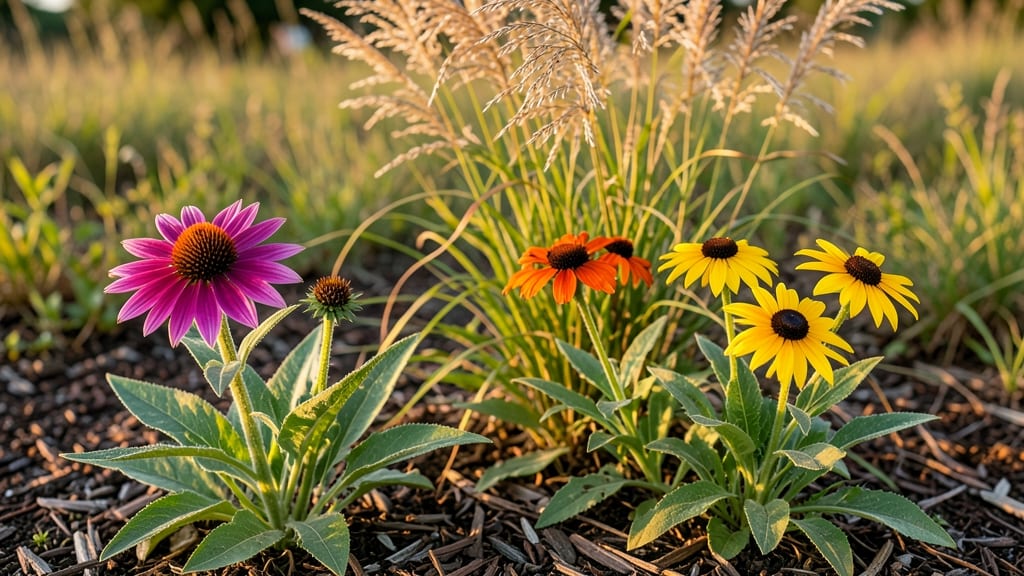
Understanding Kansas gardening zones means recognizing the state spans USDA Hardiness Zones 5a through 7b, with most areas falling between 5b and 6b for planting success. Eastern Kansas typically sits in Zone 6, while western regions can reach Zone 7, directly influencing frost timing and plant viability.
Kansas's gardening zones create a gradient of growing conditions across the state, shaped by geography and elevation. Zone 5a in the northeast faces shorter growing seasons, while Zone 7b in the southwest enjoys longer frost-free periods.
This variation means your planting schedule should shift based on whether you're in Kansas City (Zone 6a) or Garden City (Zone 7a). Microclimates near rivers or urban areas can also push zones slightly higher, so always verify your exact location on the USDA Interactive Plant Hardiness Map. 🌱
For practical application, this zone range dictates everything from last frost dates (typically mid-April in Zone 5b to early March in Zone 7a) to which perennials thrive in your yard.
Cool-season crops like broccoli and peas can go in the ground earlier in Zone 5 areas, while Zone 7 gardeners might extend their growing season into late fall.
The key is matching your planting calendar to your specific zone's frost patterns—this ensures your garden gets the full growing potential Kansas's diverse climate offers.
💡 In This Article
- How Kansas Climate Affects Plant Hardiness Zones
- Kansas Planting Calendar by USDA Zone
How Kansas climate affects plant hardiness zones
Kansas's dramatic east-to-west temperature gradient creates its unique gardening zones. The state's geography—from the humid eastern forests to the arid western plains—causes a 10-15°F difference between its coldest (Zone 5a) and warmest (Zone 7b) regions.
This happens because eastern Kansas receives more moisture from the Gulf of Mexico, creating cooler summer nights that delay heat buildup, while western areas experience hotter, drier conditions with less temperature moderation. The result? A 50-60 day difference in frost-free periods between the two extremes.
Elevation plays a surprising role too. The western high plains (like near Garden City) sit 1,500-2,500 feet above sea level, where thinner air means faster heat loss at night—paradoxically making these areas slightly cooler than lower-elevation spots just east of them.
Meanwhile, urban heat islands in cities like Wichita can push microclimates into Zone 7a even when surrounding rural areas remain in Zone 6b. These local variations mean your exact planting zone might differ by half a zone from official maps.
What this means for gardeners is that USDA zones translate directly to growing season length. Zone 5b areas (like northeast Kansas) typically have 180-200 frost-free days, while Zone 7b (southwest corner) enjoys 220+ days.
This difference determines whether you can grow tropical plants like okra or sweet potatoes reliably—Zone 7b gardeners can plant these in early spring, while Zone 5b gardeners must wait until after last frost (usually mid-May) or use row covers.
The zone also affects perennial survival: a Zone 6a plant might die back in Zone 5a winters but thrive in Zone 7a.
Here's how the zones break down practically:
- Zone 5a/5b (Northeast): Shorter seasons mean focus on cold-hardy crops like kale, Brussels sprouts, and hardy perennials such as coneflowers
- Zone 6a/6b (Central): The "sweet spot" for most Kansas gardeners—ideal for tomatoes, peppers, and roses that need moderate winters
- Zone 7a/7b (West): Longer seasons allow for double-cropping and heat-tolerant varieties like black-eyed Susans and okra
Understanding these climate-driven zones helps explain why some plants thrive in your neighbor's yard but struggle in yours. For example, hydrangeas—Zone 3-9 plants—might survive winters in Zone 6b but fail to bloom reliably in Zone 5a due to late spring frosts.
The key is matching plant hardiness ratings (the number next to botanical names) to your specific zone, then adjusting for microclimates like south-facing walls or wind protection. 🌿
What most gardeners don't realize is how much the zone affects soil temperature too. Zone 7b soils warm up 2-3 weeks earlier in spring than Zone 5b soils, which means you can plant warm-season crops like beans or squash 30 days sooner in the southwest.
This timing difference is why western Kansas gardeners can enjoy two full harvests of zucchini in one season while eastern gardeners might get only one.
To maximize your garden's potential, combine zone knowledge with local records. Check your county's average last frost date (typically April 15 in Zone 5b to March 15 in Zone 7a) and plan accordingly.
The USDA map gives you the baseline, but Kansas's microclimates often require personal adjustments—like planting heat-loving peppers a week later in Zone 6a to avoid early blasts of summer heat.