
Vegetables
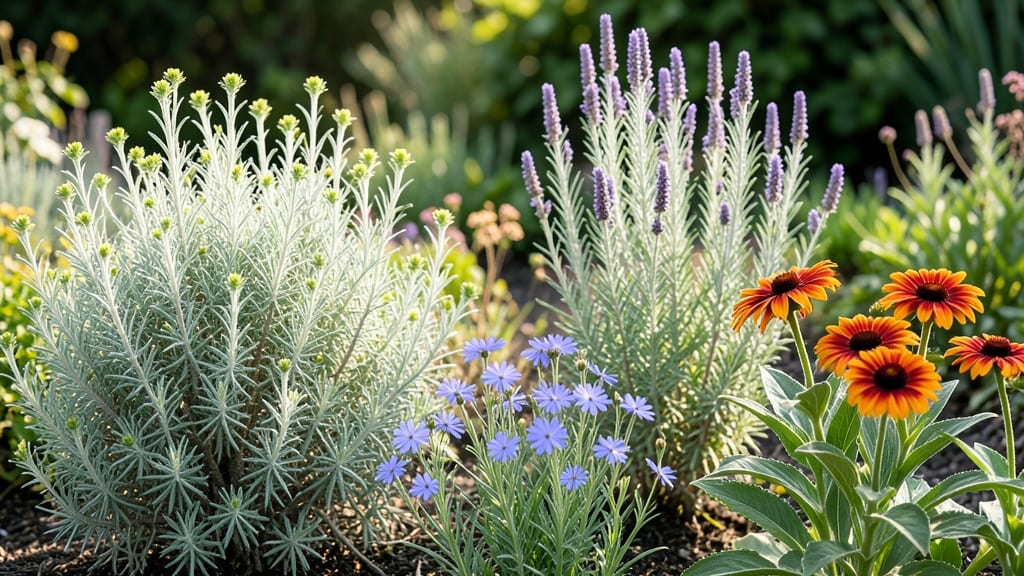
Determining the Boise garden zone is essential for successful planting, as Boise spans USDA Hardiness Zones 6b and 7a with winter lows of 0°F to 10°F. Spring planting starts in April, while fall planting can continue until October to take advantage of Idaho's dry climate.
Boise's garden zone classification reflects its unique mix of high desert and urban influences, which create microclimates that can affect plant survival. 🌱 The city's elevation variations—ranging from 2,500 to 3,000 feet—mean temperatures can drop faster in lower areas, while urban heat islands may protect certain plants during cold snaps.
This is why gardeners often need to adjust planting times by 1-2 weeks depending on their specific location within Boise. For example, fruit trees like apples and cherries thrive here because they require winter chill hours that Boise's zone provides.
Understanding these nuances helps you choose plants that match your microclimate. Native species like blue grama grass and Idaho fescue are excellent choices for drought-prone areas, while cold-hardy vegetables like kale and spinach perform well in both spring and fall plantings.
The key is matching plant hardiness ratings to your specific zone and preparing your soil with organic matter to improve water retention in Boise's dry conditions.
💡 In This Article
- Understanding Boise’s Microclimates and Plant Hardiness Variations
- Best Plants for Boise’s Zone 6b/7a Conditions
Understanding Boise’s microclimates and plant hardiness variations
Boise's classification across USDA Zones 6b and 7a isn't random—it's shaped by elevation changes and urban geography. The city's elevation ranges from 2,500 to 3,000 feet, creating temperature variations that can shift by 5-10°F between neighborhoods.
Lower areas like the Boise River Valley experience colder air pooling, while urban heat islands in downtown can protect plants from frost. This is why some gardeners in north Boise might plant 2 weeks later than those in the foothills.
The winter chill hours—450-700 hours below 45°F—are crucial for fruit trees like apples and cherries, which need these cold periods to bloom properly. Without sufficient chill, trees may produce fewer fruits or none at all.
Boise's zone provides this natural dormancy trigger, making it ideal for cold-hardy varieties like Honeycrisp apples or Stella cherries. The key difference between 6b and 7a?
Zone 6b areas (0-5°F minimum) support hardier perennials like Russian sage and catmint, while Zone 7a (5-10°F) allows for slightly tender plants like rosemary.
Frost pockets—areas where cold air settles—can create microclimates within just 100 feet of your garden. South-facing slopes warm up faster in spring, while north-facing areas stay colder.
This is why gardeners often test their microclimate by planting cold-sensitive annuals like basil or tomatoes in early spring—if they survive, you've found a warmer microclimate. Boise's dry climate also means soil temperatures fluctuate more dramatically than in humid regions, which affects seed germination timing.
Wind patterns further complicate matters. The city's location in the Rain Shadow of the Rocky Mountains creates dry, windy conditions that can desiccate young plants. Windbreaks made of native shrubs like serviceberry or arborvitae can protect tender seedlings while adding to your landscape.
The combination of these factors means that while Boise generally fits 6b/7a, your specific garden might behave more like Zone 5 or 8 depending on location and exposure.
For precise planning, use the USDA Plant Hardiness Map and overlay it with Boise's local weather station data. The National Weather Service's Boise station records show that January averages 28°F, but frost can occur any month except July and August.
This unpredictability is why many Boise gardeners use row covers in early spring or late fall to extend growing seasons by 3-4 weeks.
Understanding these variations helps you choose plants that match your microclimate. For example, potatoes thrive in cooler Zone 6b areas, while peppers prefer the slightly warmer Zone 7a pockets.
The same goes for perennials: lavender may struggle in frost pockets but flourishes on south-facing slopes where it gets full sun and protection from cold winds.
Here's what to watch for in your garden: Frost dates typically arrive by mid-October and depart by mid-April, but these can vary by 10-14 days depending on elevation.
Use these dates to time your plantings—cool-season crops like spinach and carrots can handle early spring frosts, while tender plants like tomatoes need to wait until after the last frost. 🌿