
Tools
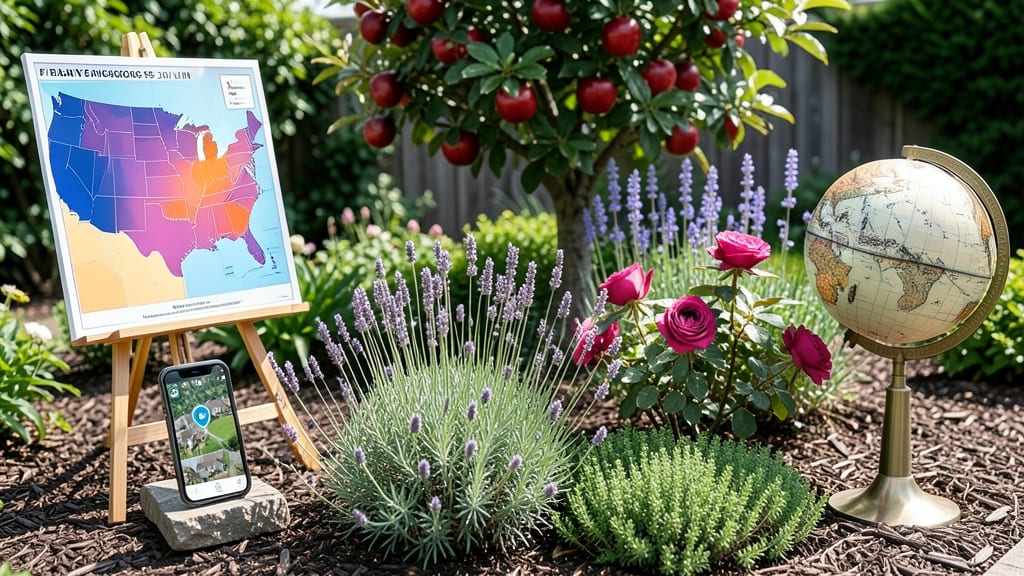
To find what garden zone you live in, check the USDA Plant Hardiness Zone Map using your ZIP code, as this shows your area’s average coldest winter temperatures and best-suited plants.
What garden zone do I live in? Your garden zone is determined by the USDA Plant Hardiness Zone Map, which divides the U.S. into 13 zones based on average annual minimum temperatures. 🌱 For example, Zone 5 can handle down to -20°F, while Zone 10 stays above 30°F. Microclimates—like urban areas or slopes—can shift your effective zone by one or two numbers, so always verify with local data. Many gardeners also use this info to select perennials that thrive year-round in their region.
This system helps you avoid costly mistakes like planting frost-sensitive crops too early or choosing shrubs that won’t survive winter. The interactive map on the USDA website lets you zoom in by ZIP code for precise results, and some nurseries provide zone-specific plant lists to match your climate.
For accuracy, double-check elevation adjustments if you live in mountainous areas.
💡 In This Article
- How USDA Plant Hardiness Zones Work
- Finding Your Exact Garden Zone by ZIP Code
How USDA plant hardiness zones work
The USDA Plant Hardiness Zone Map divides the U.S. into 13 zones based on the average annual minimum temperature—the coldest temperatures plants can survive in your area.
These zones range from Zone 1 (-60°F) in Alaska to Zone 13 (60-70°F) in Hawaii, with each zone representing a 10°F increment. For example, Zone 5 endures winters down to -20°F, while Zone 8 rarely drops below 10°F.
This system helps gardeners select plants that won’t die from frost or heat stress.
The zones are calculated using 30 years of climate data, updated every 10 years to reflect warming trends.
Scientists analyze temperature records from weather stations across the country, then overlay this data with topographical maps to account for elevation changes. 🌡️ For instance, a city at sea level might be Zone 7, but a nearby mountain slope could be Zone 5 due to colder nighttime temperatures.
The map also accounts for seasonal variations, like sudden spring freezes or extended summer heatwaves, which can push plants outside their typical comfort range.
Microclimates—small areas with unique conditions—can shift your effective zone by one or two numbers. A south-facing wall might add 2-5°F of warmth compared to the open yard, while a shady valley could be 5°F colder than the surrounding hills.
Urban areas often experience the "heat island effect," where pavement and buildings trap heat, raising temperatures by 3-10°F compared to rural zones. This is why a plant hardy for Zone 6 in the countryside might struggle in a Zone 6 city center during heatwaves.
Understanding these zones helps you avoid common gardening mistakes, like planting tender annuals too early in Zone 4 or choosing evergreens that can’t tolerate Zone 9’s humidity.
The USDA map also includes a "transition zone" (e.g., Zone 6b/7a) to account for gradual temperature shifts, giving you flexibility when selecting borderline plants. For example, a hydrangea might thrive in Zone 6b but struggle in Zone 7a if summers are too dry.
Beyond temperature, zones indirectly reflect other climate factors like frost dates, rainfall patterns, and soil types. For instance, Zone 10’s mild winters mean longer growing seasons, while Zone 3’s short summers require fast-maturing crops.
The map doesn’t cover all variables—like soil pH or wind exposure—but it’s the foundation for smart plant selection. 🌱 By aligning your garden with your zone, you’ll see fewer wilting surprises and more thriving perennials year after year.
Pro tip: Check the USDA’s "What’s My Zone?" tool for your ZIP code, but always observe your garden’s microclimates firsthand. A week of on-site temperature logging with a minimum-maximum thermometer can reveal nuances the map might miss.