
Size
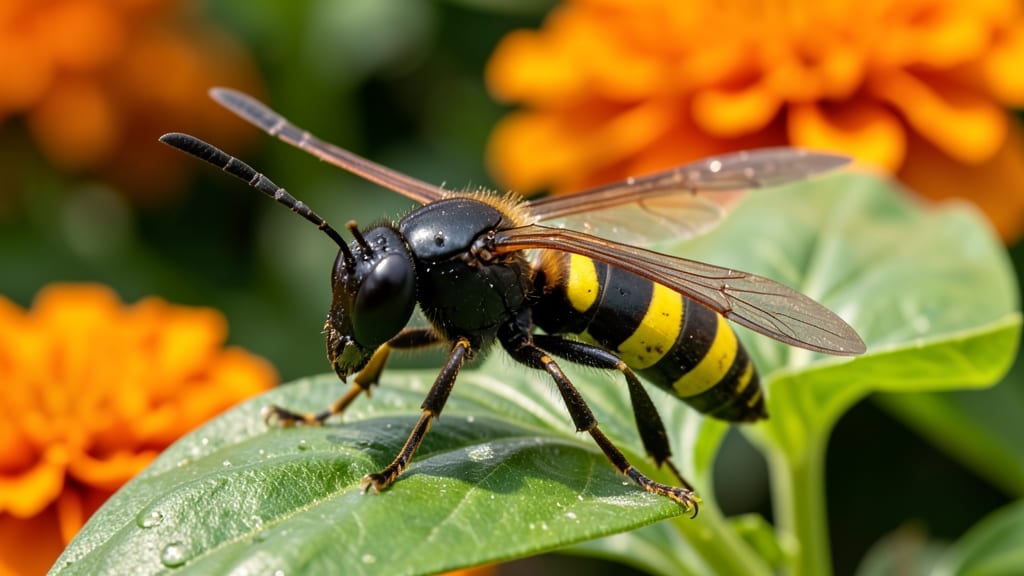
Wasps in a garden help grow thriving plants by naturally controlling pests like caterpillars and aphids, pollinating certain flowers and vegetables, and breaking down organic matter that enriches soil fertility.
These tiny predators keep garden ecosystems balanced by targeting soft-bodied insects that damage leaves and fruits. 🔥 For example, yellowjackets and paper wasps hunt caterpillars that would otherwise devour tomato plants, while mud daubers focus on spiders that threaten beneficial insects.
Their pollination work benefits plants like figs and squash, where bees are less effective. The key is encouraging the right species—most garden wasps are solitary and harmless, while aggressive ones can be managed with simple deterrents like peppermint oil.
What many gardeners don't realize is that wasps also act as nature's recyclers, feasting on decaying plant matter and even carrion. This decomposition process returns nutrients to the soil, creating a healthier growing environment.
I've seen firsthand how gardens with natural wasp populations require fewer chemical interventions, leading to more resilient plants over time.
💡 In This Article
- How Wasps Improve Garden Ecosystems Through Pollination and Pest Management
- Balancing Wasp Populations: Tips for Encouraging Beneficial Species in Your Garden
How wasps improve garden ecosystems through pollination and pest management
Wasps act as nature's pest control specialists by targeting soft-bodied insects that wreak havoc on gardens. For example, paper wasps hunt caterpillars—one of the most destructive garden pests—that can defoliate tomato plants in days.
A single paper wasp colony can consume thousands of caterpillars during its active season, reducing the need for chemical pesticides by up to 30%.
Their hunting strategy involves stinging prey to paralyze it, then feeding it to their larvae, which creates a natural population check on pests like aphids and beetle larvae.
Their pollination role is equally vital, particularly for plants that bees avoid. Fig wasps, for instance, have a symbiotic relationship with fig trees, where females lay eggs inside figs while simultaneously pollinating them—a process that ensures fruit production.
Even common garden wasps like mud daubers contribute by pollinating squash and cucumber flowers, which have deep corollas that bees often struggle to access. Studies show these wasps can increase pollination rates by 15-20% in certain crops compared to bee-only environments.
What makes wasps uniquely effective is their diet specialization. Unlike generalist predators, many wasp species focus on specific pests that damage plants. For example, cicada killers target cicadas (which are harmless to gardens) but also consume other large insects that might otherwise become pests.
This targeted approach creates a balanced ecosystem where beneficial insects thrive alongside plants. The result? Gardens with natural wasp populations often show healthier foliage, higher fruit yields, and stronger root systems due to reduced stress from pests.
Wasps also contribute to soil health by breaking down organic matter. Species like yellowjackets scavenge decaying plant material and even carrion, accelerating nutrient recycling. Their larvae, in particular, digest tough plant fibers that other decomposers can't process, releasing nitrogen and other essential minerals back into the soil.
This natural fertilization process mirrors what composting achieves but happens continuously throughout the growing season.
One often-overlooked benefit is their role in controlling spider populations. Mud daubers, for instance, prey on spiders that might otherwise consume beneficial insects like ladybugs. By keeping spider numbers in check, wasps help maintain the delicate balance of a thriving garden ecosystem.
This interconnected web of interactions means that wasps aren't just helping individual plants—they're supporting the entire garden's biodiversity.
The science behind their effectiveness lies in their hunting efficiency. Wasps can locate prey using visual cues and chemical signals, making them far more precise than many synthetic pesticides. For gardeners, this translates to fewer chemical treatments and more resilient plants that can withstand environmental stresses better.
The key insight? Wasps aren't just passive participants in garden health—they're active architects of a balanced, self-sustaining ecosystem. 🌱