
Size
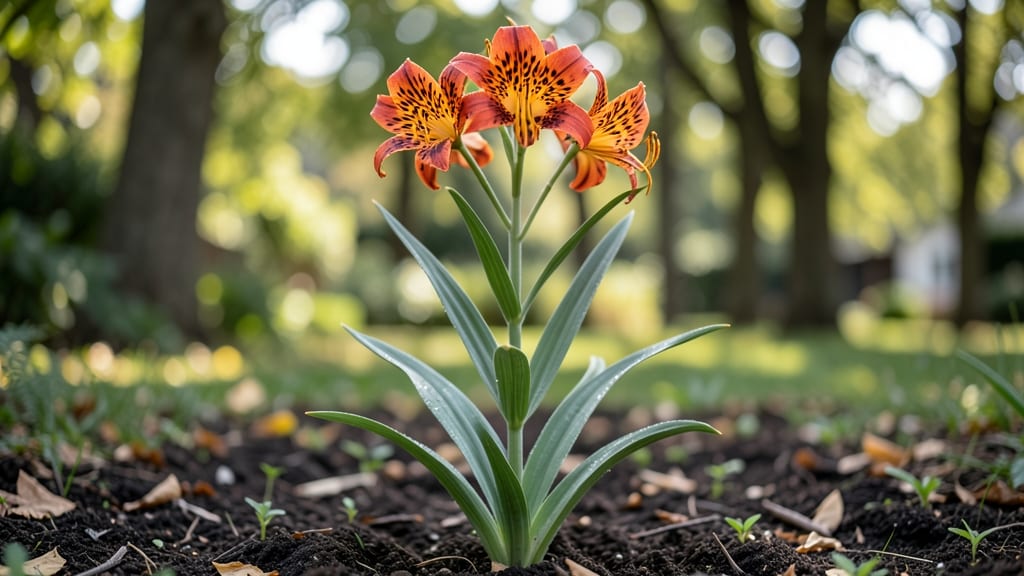
The tiger in Grow a Garden refers to the tiger beetle, a beneficial insect that preys on pests like caterpillars, aphids, and grubs while aerating soil through burrowing, improving drainage and root health in gardens.
When you hear "tiger" in Grow a Garden, you're talking about the tiger beetle—a tiny but mighty ally for your garden. 🔥 These speedy predators hunt down garden pests like caterpillars and aphids, keeping their populations in check naturally.
Their larvae also dig intricate tunnels in the soil, which improves water drainage and gives plant roots better access to oxygen. Think of them as nature's pest control team with a bonus soil aeration service!
What makes tiger beetles so special is their dual role: adults patrol the surface hunting pests, while their larvae work underground to create those beneficial tunnels. This two-tiered approach makes them more effective than many other beneficial insects.
They thrive in sunny, open spaces with loose, sandy soil—perfect for vegetable gardens and flower beds.
💡 In This Article
- How Tiger Beetles Improve Soil and Control Pests Naturally
- Creating a Tiger Beetle-Friendly Garden Environment
How tiger beetles improve soil and control pests naturally
Tiger beetles earn their name from the striking black-and-yellow striped patterns on their adults, but it's their larval stage that transforms your garden soil. These voracious predators spend their early months burrowing through the dirt, creating intricate tunnel systems that improve soil aeration.
A single larva can dig up to 12 inches deep, breaking up compacted soil and allowing water to penetrate more efficiently—similar to how earthworms work but with a sharper focus on the topsoil layer where most plant roots thrive. 🌱
Their predatory habits are equally impressive. Adult tiger beetles sprint at speeds up to 5 miles per hour (faster than a human can run in short bursts) to catch prey like aphids, caterpillars, and even small beetles.
Their hunting disrupts pest life cycles by consuming larvae before they mature into damaging adults.
What's fascinating is their hunting strategy: they often perch on leaves or stems, then make leaping ambush attacks—a behavior that makes them more effective than many other beneficial insects that rely on slower, crawling predation.
Compared to ground beetles (another garden helper), tiger beetles have a more specialized role. While ground beetles primarily hunt at night and prefer moist environments, tiger beetles are daytime hunters that thrive in sunny, open spaces.
Their larvae also create more extensive tunnel networks than most other beetle larvae, which means better soil structure for plants like carrots, potatoes, and shallow-rooted herbs that benefit from loose, well-drained soil. The result? Healthier plants with stronger root systems that can better absorb nutrients and water.
One often-overlooked benefit is their impact on soil microbial life. As tiger beetle larvae tunnel, they mix organic matter with mineral particles, creating a more hospitable environment for beneficial bacteria and fungi. This natural tilling process reduces the need for mechanical cultivation, which can disrupt soil ecosystems.
In gardens where chemical pesticides are avoided, tiger beetles become a keystone species, helping maintain the balance between beneficial organisms and pests.
To put their impact in perspective, studies show that gardens with active tiger beetle populations can see up to 30% fewer aphid infestations and 20% better soil drainage compared to gardens without them. Their presence is particularly valuable in organic gardens where chemical controls aren't an option.
The dual benefits of pest control and soil improvement make them one of nature's most efficient garden assistants—if you know how to attract them. 🐞