
Size
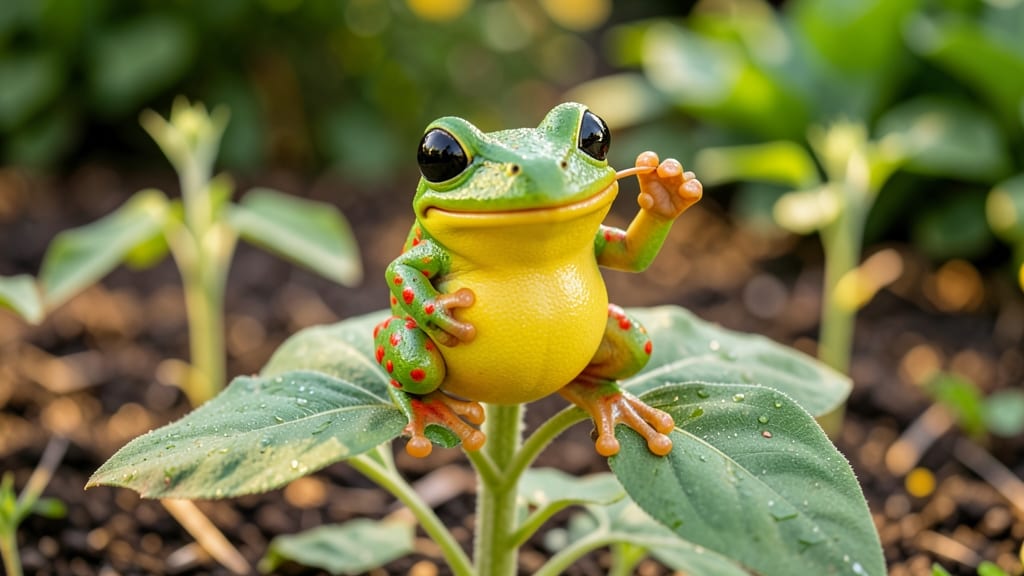
The frog pet in Grow a Garden serves as a natural pollinator by transferring pollen between flowers as it feeds, while its digging behavior aerates soil and improves drainage for healthier plant roots. This small amphibian also helps control pests like slugs and mosquitoes, creating a more balanced garden ecosystem.
The frog pet in Grow a Garden plays multiple roles that benefit your garden's health. 🐸 As it hops between flowers, it unintentionally collects and spreads pollen, mimicking the work of bees but with a unique approach—its feeding habits encourage cross-pollination in plants that might not attract traditional pollinators.
Beyond pollination, these frogs create tiny tunnels in the soil, which improve water absorption and root development, making your garden more resilient during dry spells.
What makes this pet particularly valuable is its pest control abilities. Frogs are natural predators of common garden pests like slugs and mosquitoes, reducing the need for chemical interventions. Their presence also signals a healthy ecosystem, as they thrive in environments with diverse plant life and clean water sources.
For gardeners looking to minimize maintenance while boosting biodiversity, adding a frog pet can be a game-changer.
This dual role—pollination and soil improvement—makes frogs an eco-friendly alternative to traditional garden care methods. Their quiet, low-maintenance nature also means they won't disrupt your gardening routine while still delivering noticeable benefits over time. 🌱
💡 In This Article
- How Frog Pets Enhance Garden Pollination
- Soil Aeration and Pest Control Benefits of Garden Frogs
How frog pets enhance garden pollination
Frog pets contribute to garden pollination through a process called incidental pollination, where they unintentionally transfer pollen while feeding.
Unlike bees, which actively collect nectar and pollen, frogs primarily eat insects, but their movement between flowers—especially those with flat, open blooms like marigolds or lilies—allows pollen to stick to their bodies.
Studies show that frogs can transfer pollen over distances of 3-5 feet with each hop, making them effective for cross-pollination in smaller gardens where bees might not venture.
The key difference between frog and bee pollination lies in the flowers they visit. Frogs are attracted to flowers that produce insects (their food source), such as night-blooming jasmine or evening primrose, which often release fragrances after sunset.
These flowers rely on nocturnal pollinators like moths and frogs, whereas bees focus on daytime blooms like lavender or sunflowers. This complementary behavior ensures a broader range of plants get pollinated throughout the day and night. 🌙
Frog pollination also supports plant reproduction in a unique way: their weight and movement can trigger some flowers to release pollen more readily. For example, delicate flowers like orchids may not open fully for bees but can release pollen when a frog lands on them.
This mechanical action increases the chances of successful fertilization, especially in plants that rely on multiple pollination events. In gardens with limited bee activity, frogs can fill this gap, boosting yields in fruits and vegetables like tomatoes or peppers.
However, not all flowers benefit equally from frog pollination. Flowers with deep corollas (like snapdragons) or those requiring precise pollen placement (like some orchids) are less likely to be pollinated by frogs. Instead, these plants depend on bees or butterflies, which have specialized mouthparts.
Gardeners can maximize frog pollination by planting a mix of insect-attracting flowers and those with accessible structures, creating a pollinator-friendly ecosystem that supports multiple species.
Another advantage of frog pollination is its role in biodiversity. By encouraging a variety of plants to reproduce, frogs help maintain genetic diversity, which is crucial for resilient gardens.
For instance, a garden with both bee-pollinated roses and frog-friendly evening primrose will have a more stable ecosystem, as different plants support different pollinators. This interconnectedness reduces the risk of crop failure if one pollinator population declines. 🌿
To optimize frog pollination, consider adding shallow water sources (like a small pond or dish) and hiding spots (like rocks or dense foliage). Frogs are more likely to stay in gardens where they can hunt insects and find shelter, increasing their pollination contributions over time.
Their presence also signals a healthy environment, attracting other beneficial wildlife like toads and ground beetles.