
Plants
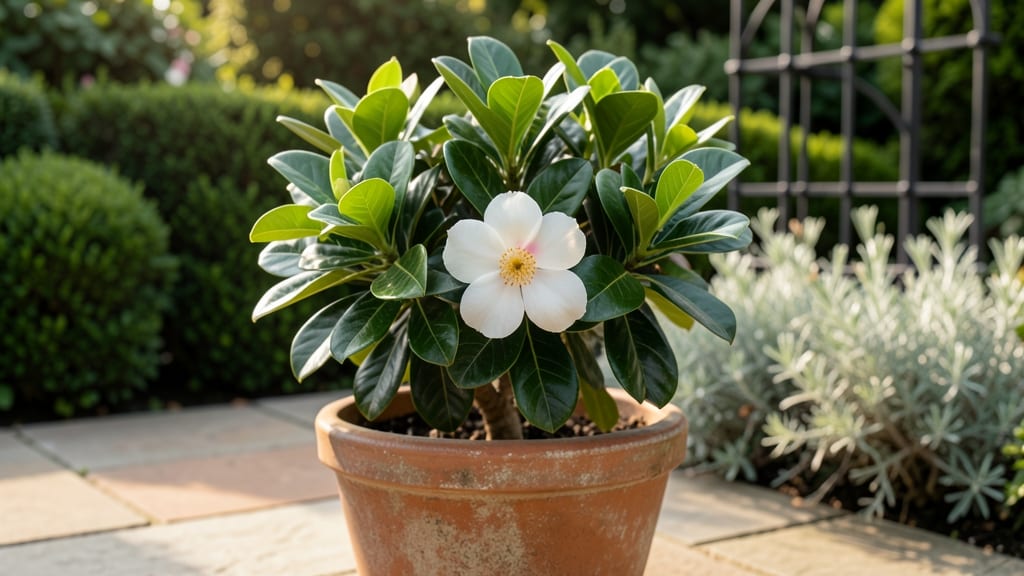
What does gardenia smell like? You’ll notice its heady, velvety-smooth fragrance that’s creamy, sweet, and deeply intoxicating—like a lush fusion of jasmine’s richness and tuberose’s velvety depth, with a whisper of warm vanilla that clings to your senses long after the bloom fades.
This signature scent comes from gardenia’s complex chemical profile, packed with compounds like linalool (which creates that creamy sweetness) and benzyl acetate (responsible for the floral depth). 🌸 Unlike jasmine’s lighter, citrusy notes or rose’s sharp green undertones, gardenia’s aroma feels almost edible—like a tropical dessert in bloom.
The fragrance intensifies in warm, humid conditions, making it a standout in summer gardens or as a dried floral addition to sachets and potpourri.
What makes gardenia’s scent so memorable is its ability to linger. The vanilla undertones develop as the flower matures, creating a warm, almost spicy contrast to its primary floral sweetness.
Many perfumers prize gardenia for this duality—it’s both a dominant floral presence and a subtle, long-lasting base note that enhances other ingredients.
💡 In This Article
- Gardenia’s Unique Scent Chemistry: Why It Stands Out Among Flowers
- Best Ways to Enjoy Gardenia’s Fragrance in Your Garden or Home
Gardenia’s unique scent chemistry: why it stands out among flowers
Gardenia’s signature aroma comes from a powerful cocktail of volatile organic compounds (VOCs) that work together like a symphony. The star player is linalool, which delivers that creamy, sweet base note—think of it as the floral equivalent of vanilla bean, but with a more intense floral punch.
This compound is also found in lavender and coriander, but gardenia’s concentration (up to 30% of its total scent profile) makes it feel richer and more velvety. 🌸 The second key player, benzyl acetate, adds that deep, almost honeyed floral richness that sets gardenia apart from lighter flowers like lilac.
What truly makes gardenia’s scent unique is its ionone content—particularly alpha-ionone and beta-ionone—which contribute to that warm vanilla undertone and a subtle woody depth.
These compounds are also present in violets and orris root, but gardenia’s version feels more tropical, almost like a cross between a macaron and a summer breeze.
For comparison, jasmine relies more on indole for its animalic depth (which can smell slightly medicinal in high concentrations), while rose leans heavily on geraniol for its fresh, green notes. Gardenia’s balance of these compounds creates a fragrance that’s both dominant and harmonious.
The scent’s intensity also depends on temperature and humidity. Gardenia flowers produce their strongest aroma between 75-85°F when humidity hovers around 60-70%, which is why they’re often prized in tropical climates. The heat causes the flower’s scent glands to release more VOCs, creating that intoxicating, almost cloying sweetness.
In cooler conditions, the aroma becomes more subdued but still retains its creamy character—just like how vanilla extract smells deeper when warmed. This temperature sensitivity is why gardenia’s fragrance feels so alive and dynamic.
Another fascinating aspect is how gardenia’s scent evolves over time. Fresh blooms emit a brighter, almost citrusy top note (thanks to limonene), but as they age, the vanilla and woody undertones become more pronounced.
This progression is why dried gardenia petals—often used in perfumery and potpourri—develop such a complex, layered fragrance. The aging process concentrates the scent molecules, making them more potent and long-lasting, similar to how aged whiskey develops deeper flavors.
Perfumers often use gardenia as a base note in fragrances because of its longevity. A single drop of gardenia absolute (the concentrated oil extracted from the flowers) can linger on skin for hours, slowly releasing its creamy-sweet aroma.
This makes it a favorite in luxury perfumes like Chanel’s No. 5 or Estée Lauder’s Beautiful, where it grounds lighter floral or citrus top notes. The contrast between gardenia’s heavy sweetness and a crisp citrus top note creates a fragrance that feels both elegant and seductive.
If you’ve ever wondered why gardenia’s scent feels so "edible," it’s because the same compounds that make it irresistible to humans also attract pollinators like moths and beetles.
These insects are drawn to the flower’s sweet, creamy aroma, which is why gardenia blooms often open at night when these pollinators are most active. This natural chemistry is what gives gardenia its intoxicating, almost addictive quality—it’s not just a pretty smell, it’s a scent designed to captivate. 💫