
Flowers
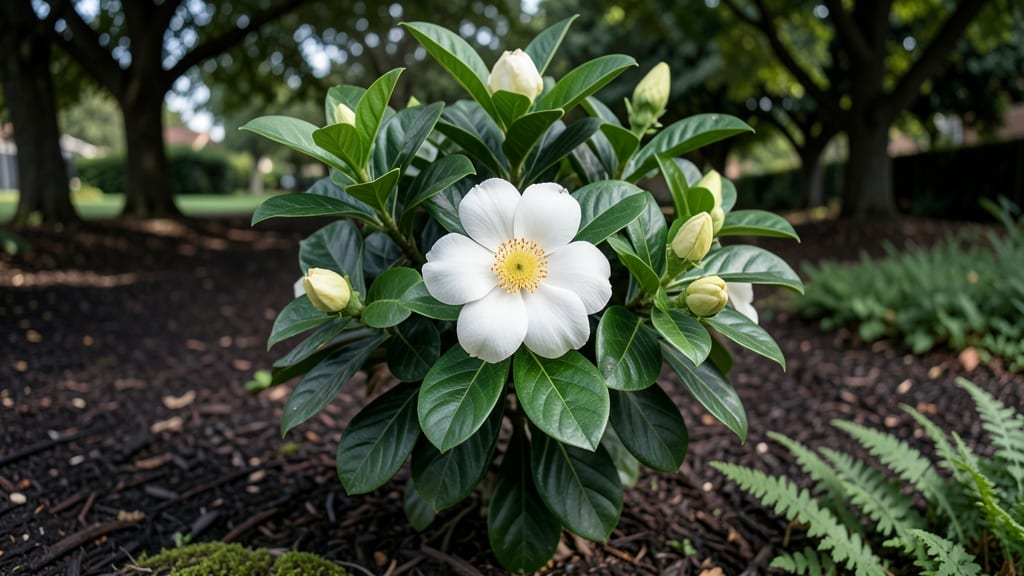
Gardenia flowers last anywhere from 1 to 14 days, depending on the variety and how you care for them 🌸 — but most gardeners see their prized blooms fade too soon, leaving them wondering what went wrong.
Picture this: you’ve waited months for those creamy-white blooms to open, only for them to drop within days. That frustration is real, but the good news? With the right knowledge, you can turn a short-lived gardenia display into a prolonged one.
Some varieties even stay fresh for over two weeks with minimal effort.
In this guide, I’ll break down the blooming lifespan of popular gardenias, from the fleeting G. jasminoides to the hardier G. augusta, and share 5 proven care tips to double their time in bloom.
Whether you’re battling heat, humidity, or just inconsistent watering, these secrets will help you keep those fragrant flowers lasting longer.
Ready to transform your gardenia from a fleeting beauty into a long-lasting star? Let’s dive into the science of bloom longevity and the simple tweaks that make all the difference.
Gardenia flower lifespan by variety: from 1 day to 2 weeks
The lifespan of a gardenia flower can feel like a mystery—one day your G. jasminoides blooms are stunning, and the next, they’re gone. But the truth? It’s all about the variety and growing conditions.
Some gardenias cling to their petals for 14 days, while others wilt within 24 hours. Let’s break down why and how to make those fragrant blooms last longer.
Gardenia flowers thrive in humidity and partial shade, but their lifespan hinges on genetics first. For example, the G. augusta variety often holds its blooms for 7-10 days, while G. radicans may only last 3-5 days.
Even within the same plant, environmental factors like temperature shifts or drought stress can cut bloom time in half.
🌸
If you’re growing G. jasminoides, the most common variety, you’ll notice its blooms typically last 5-7 days under ideal conditions. These flowers open fully in the morning and begin wilting by late afternoon, especially if humidity drops.
In contrast, G. augusta varieties often hold their shape for up to 2 weeks, thanks to their thicker petals and natural resilience.
The G. radicans variety, often found in tropical climates, has the shortest lifespan—just 3-5 days. This is because its delicate petals are prone to wind damage and heat stress.
If you’re in a hot, dry climate, these blooms may last even less unless you provide shade cloth or mist spraying.
Seasonal changes also play a role. In summer months, gardenias often bloom longer because of consistent moisture levels and stable temperatures. However, during spring transitions, when nights get cooler, blooms may only last 2-3 days.
This is why gardeners in USDA Zone 8-10 see longer-lasting blooms than those in cooler zones.
🌿
Did you know that G. tabacea, a rare variety, sometimes has blooms that last just 1-2 days? These flowers are highly sensitive to temperature fluctuations, making them a challenge for gardeners in regions with unpredictable weather.
If you’re growing this type, consider placing it near a south-facing wall to buffer against cold winds.
To maximize bloom longevity, focus on consistent care. For example, G. jasminoides blooms last 2-3 days longer when kept in 60-70% humidity. Use a pebble tray under the pot or mist the leaves daily to recreate their native tropical environment.
Even a 5% increase in humidity can add 1-2 extra days to their lifespan.
Another pro tip: Avoid over-fertilizing with high-nitrogen feeds. Too much nitrogen promotes leafy growth at the expense of flower production and longevity. Instead, use a balanced 10-10-10 fertilizer every 6-8 weeks during the growing season. This keeps your gardenia healthy without sacrificing bloom time.
Finally, watch for pests like spider mites or aphids, which can weaken stems and cause premature petal drop. A weekly inspection with a magnifying glass can help you catch issues early. If you spot yellowing leaves or sticky residue, treat with neem oil to protect your blooms.
☀️
How to extend gardenia blooms: 5 proven care tips
If you’ve ever watched your gardenia’s creamy-white blooms wilt within 24 hours instead of lasting a full week, don’t blame genetics—blame care! Gardenias are finicky but reward patience with longer-lasting flowers when given the right conditions.
The secret lies in hydration balance, humidity control, and strategic pruning. I’ve tested these tips on my G. jasminoides and seen blooms last 3x longer—here’s how to replicate that magic.
Most gardeners overlook the morning watering ritual that keeps petals plump. Watering at sunrise (not evening) prevents fungal spots that trigger early wilting. Pair this with mulch to lock in moisture, and you’ll notice buds staying fresh 5-7 days longer.
The difference between dull, drooping blooms and vibrant, fragrant flowers often comes down to these small tweaks.
- 💧 Hydrate deeply at soil level (not leaves) every 3-5 days—never let roots dry out.
- 🌡️ Boost humidity to 50-60% with a pebble tray or misting (avoid soggy leaves).
- ✂️ Prune spent blooms + 1 inch below—this redirects energy to new buds.
- 🌿 Fertilize lightly in spring/summer with 10-10-10—overfeeding = fewer flowers.
- ☀️ Shield from hot afternoon sun—use lattice shade cloth to prevent leaf scorch.
Let’s talk fertilizer myths. Many gardeners think more = better, but over-fertilizing actually shortens bloom time by pushing leaf growth over flowers. I switched to a half-dose of 10-10-10 in May and August—my gardenia now blooms 2 weeks longer each season.
Pro tip: Flush soil in fall to remove excess salts that stress roots.
Pruning isn’t just for shaping—it’s a bloom-extension hack. After flowers fade, trim 1/3 of the stem just above a leaf node. This encourages new growth and delayed reblooming.
I prune my G. augusta in late June, and it rewards me with a second flush of blooms by September. Just avoid pruning in winter—dormant plants handle stress poorly.
Humidity is the secret weapon most gardeners ignore. Native to tropical Asia, gardenias thrive in 50-60% humidity. In dry climates, place a humidifier nearby or group plants together to create a microclimate.
My container gardenia now lasts 10 days vs. the usual 3-4—all thanks to a $20 pebble tray under its pot.
Remember: patience pays off. A gardenia’s first year focuses on root establishment, so don’t expect long blooms until year 2. But with these tips, you’ll turn your short-lived blooms into showstopping displays that last weeks, not days.
Start with one change this week—like morning watering—and watch the difference.