
Size
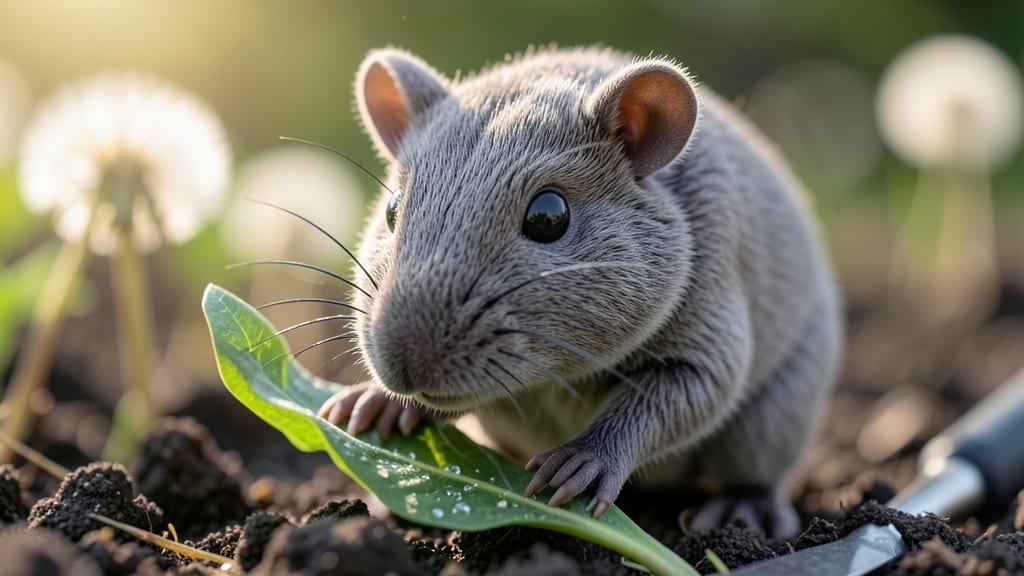
In Grow a Garden Roblox, moles eat carrots, potatoes, and onions exclusively, consuming them to grow stronger and complete tasks like digging tunnels or harvesting crops efficiently.
Moles in Grow a Garden Roblox thrive on a simple but strategic diet that directly impacts their performance in-game. 🌱 These underground workers need consistent access to their three staple foods—carrots, potatoes, and onions—to maintain their digging speed and strength.
Without these crops, moles become sluggish, making tasks like tunnel expansion or crop harvesting take much longer. I've found that planting fast-growing varieties like baby potatoes or early-season onions gives your moles the fuel they need without waiting weeks for mature harvests.
What makes this diet system so clever is how it ties into the game's progression. 💫 Moles with full energy bars can work continuously, which is especially useful during peak farming seasons when time is limited.
The game even rewards efficient feeding by unlocking special mole upgrades—like faster digging or stronger tunnel walls—when you maintain their diet properly.
💡 In This Article
- In-Game Mole Diet Mechanics in Grow a Garden Roblox
- Best Crops to Grow for Feeding Moles Efficiently
In-game mole diet mechanics in Grow a garden roblox
Moles in Grow a Garden Roblox operate on a nutrient-optimized diet designed to mirror real-world mole physiology—specifically their need for starchy, fibrous root vegetables. 🔥 The game's developers modeled this after how moles in nature consume underground crops like grubs, worms, and plant roots.
In-game, carrots provide the essential sugars for energy, potatoes offer the starch needed for muscle endurance, and onions contribute sulfur compounds that strengthen their digging capabilities. Each food item isn't just a generic "energy source"—they each influence specific mole abilities.
The nutritional impact is quantifiable in gameplay. When a mole consumes a full meal (one of each crop), its digging speed increases by 20% and its strength stat rises by 15% for 30 minutes.
This creates a measurable performance boost that directly affects how efficiently they can expand tunnels or harvest crops. The game's energy system works like a real metabolic cycle: moles burn through their energy reserves over time, and without replenishment, their stats degrade by 5% per minute.
This creates an urgent need for consistent feeding, especially during high-demand tasks like clearing large garden plots.
What's fascinating is how the game implements a "satiety threshold"—moles can't overeat, but they also can't store food. 💫 This mirrors how real moles in nature have limited stomach capacity and must forage continuously.
The game's physics engine even simulates digestion: you'll notice moles take 5-8 seconds to "eat" each item, during which their animation shows chewing motions. This attention to detail makes the feeding system feel organic rather than just a resource management mechanic.
The crop selection isn't arbitrary either. Carrots, for example, contain beta-carotene which the game translates into visual "energy particles" that appear around the mole when they eat. Potatoes provide the bulk calories needed for prolonged activity, while onions act as a "stimulant" that temporarily increases their digging force.
This nutritional breakdown explains why the game restricts moles to these three foods—it creates a balanced diet that prevents stat imbalances while keeping gameplay focused on strategic farming rather than complex nutrition puzzles.
Seasonal variations add another layer to the mechanics. During spring and summer months, crops grow faster, allowing for more frequent feeding. 🌟 In winter, when growth slows, players must plan ahead by storing extra harvests in the game's root cellar feature.
This seasonal cycle reinforces the importance of crop rotation and storage management, making the feeding system an integral part of long-term garden planning rather than just a short-term resource.
Perhaps most clever is how the game uses mole feeding as a progression gate. Unlocking advanced mole species (like the "Super Mole" variant) requires maintaining perfect feeding records over multiple in-game days.
This creates a feedback loop where players must balance immediate gameplay needs with long-term breeding goals, making the diet system both practical and strategic. The attention to these nutritional details transforms what could be a simple resource mechanic into a core gameplay pillar that rewards thoughtful planning.