
Tools
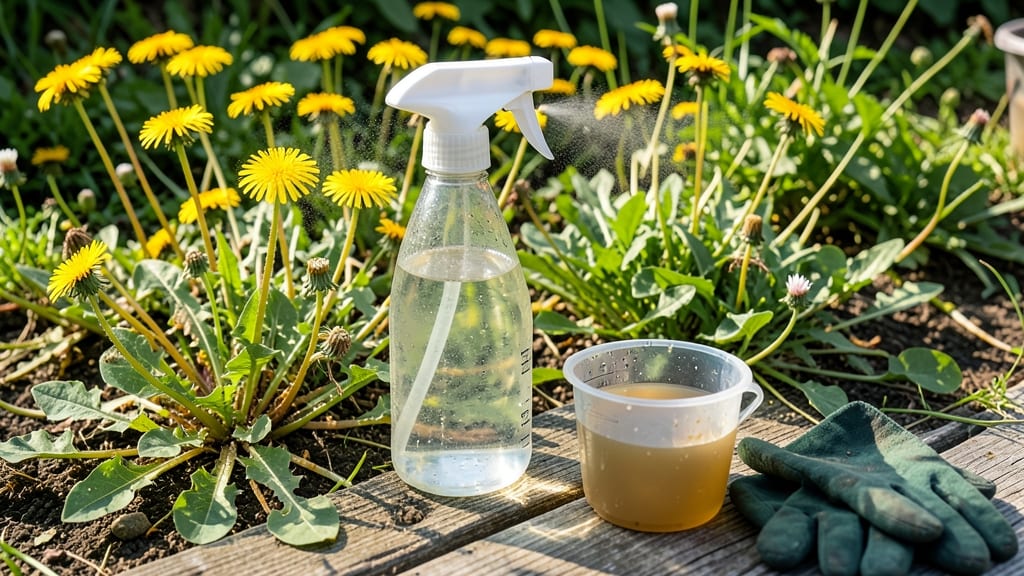
Using vinegar in the garden naturally eliminates weeds, adjusts soil acidity, and repels pests when properly diluted and timed, though its strength requires careful handling to avoid damaging plants. White vinegar remains the most adaptable option for organic gardeners.
Vinegar's acetic acid disrupts plant cell membranes, making it a potent weed killer when mixed at 1:1 with water. 🔥 For soil pH adjustment, use a 1:3 dilution—this lowers alkalinity for acid-loving plants like blueberries or azaleas without over-acidifying.
The key is application timing: spray weeds on sunny days (when leaves are dry) and avoid spraying beneficial plants or edible crops directly.
Beyond weeds, vinegar creates effective organic sprays—mix with 1 tablespoon dish soap and 1 gallon water to target aphids or ants. For fertilizer, combine with 1 tablespoon molasses to boost microbial activity in compost tea.
Always test vinegar solutions on a small plant area first, as concentrations vary by brand and plant sensitivity.
💡 In This Article
- How Vinegar Kills Weeds and Adjusts Soil pH
- Safe Vinegar Gardening Recipes and Application Tips
How vinegar kills weeds and adjusts soil pH
The acetic acid in vinegar—typically 5-8% concentration in white vinegar—works like a natural herbicide by disrupting plant cell membranes. When sprayed on weeds, the acid penetrates leaf tissues and causes rapid dehydration.
At the cellular level, acetic acid breaks down the lipid bilayer of plant cells, causing them to leak essential fluids and collapse within 24-48 hours. This process is similar to how salt kills plants, but vinegar's organic nature makes it safer for composting after use. 🔥
For soil pH adjustment, vinegar's acidity (pH 2.5-3.5) lowers alkalinity by releasing hydrogen ions that displace calcium and magnesium in the soil. This is particularly useful for acid-loving plants like blueberries (ideal pH 4.5-5.5) or azaleas.
However, the effect is temporary—regular applications are needed to maintain the desired pH. A 1:3 vinegar-to-water ratio is generally safe for most soils, but test first as some clay soils may become too acidic.
The fungicidal properties of vinegar come from its ability to inhibit spore germination in common pathogens like powdery mildew. The acid environment disrupts fungal cell walls, preventing them from establishing infections. For this purpose, use a 1:1 dilution and apply to affected areas during dry conditions.
The key limitation is that vinegar doesn't cure existing infections—it's a preventive measure that works best when applied before symptoms appear.
Concentration matters significantly—undiluted vinegar can burn plant leaves and harm beneficial soil microbes. Always use white vinegar (not apple cider or balsamic) for gardening, as its consistent acidity makes it more predictable. For delicate plants, reduce the ratio to 1:5 or lower.
The best time to apply vinegar treatments is on sunny days when leaves are dry, allowing the solution to absorb quickly without running off.
One often-overlooked factor is the vinegar's interaction with soil minerals. Overuse can leach essential nutrients like potassium and phosphorus, so balance is crucial. For example, while vinegar helps with blueberry acidity, it may require additional potassium applications to maintain plant health.
Always monitor soil pH with a test kit after vinegar treatments to avoid creating imbalances that harm root systems. 💫
For maximum effectiveness, combine vinegar with a small amount of dish soap (1 teaspoon per gallon) to help the solution stick to leaf surfaces. This creates a temporary barrier that enhances the acetic acid's contact time with plant tissues.
However, avoid using this mixture on edible plants or near beneficial insects like bees, as the soap can be harmful to their delicate systems.